Within 8 hours on working days, 24 hours on holidays
tattoo removal machine
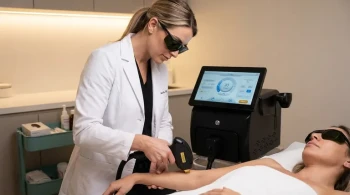
BELIS offers premium tattoo removal machines designed for medical aesthetics clinics and high-end beauty salons. Our advanced laser technologies include:
Pico Laser Machines: Picosecond technology for faster tattoo removal with minimal downtime (e.g., Pico Laser Tattoo Removal Machine Picosure)
Q-Switch Nd:YAG Lasers: Dual-wavelength systems for versatile tattoo removal across all skin types (e.g., Q Switch Nd Yag Laser Machine)
Combination Systems: Multifunctional devices integrating IPL, SHR, and Nd:YAG technologies for comprehensive skin solutions
These FDA-approved systems deliver precise energy to break down ink particles while protecting surrounding tissue.
Advanced Tattoo Removal Technology for Professional Results
BELIS tattoo removal machines combine cutting-edge laser technology with clinical precision to deliver safe, effective treatments for medical aesthetics professionals. Our systems are engineered to address the growing demand for non-invasive tattoo removal solutions with faster results and minimal patient discomfort.
Core Technologies Explained
1. Picosecond Laser Systems
Our Pico laser machines (like the Pico Laser Tattoo Removal Machine Picosure) utilize ultra-short pulse durations measured in picoseconds (trillionths of a second). This revolutionary technology:
Generates photomechanical "photoacoustic" effects that shatter ink particles more efficiently than nanosecond lasers
Requires fewer treatment sessions (typically 3-6 vs 8-12 with traditional lasers)
Minimizes thermal damage to surrounding tissue
Effectively treats stubborn colors (blues, greens) and complex tattoos
2. Q-Switched Nd:YAG Lasers
The Q Switch Nd Yag Laser Machine represents the gold standard in tattoo removal with:
Dual wavelengths (1064nm and 532nm) to target all ink colors
Adjustable spot sizes (2-10mm) for precise treatment areas
Built-in skin cooling systems for patient comfort
Proven safety across Fitzpatrick skin types I-VI
3. Hybrid Multi-Technology Platforms
Our combination systems (like the Clinic Use IPL and SHR Hair Removal Machine with Nd Yag Laser) offer:
Simultaneous tattoo removal and skin rejuvenation capabilities
Integrated cooling and safety features
Customizable treatment parameters for diverse patient needs
Clinical Advantages of BELIS Systems
Higher Clearance Rates: Advanced laser optics deliver more energy to target tissues
Reduced Treatment Time: 50-75% faster than conventional lasers
Lower Risk of Hypopigmentation: Precise wavelength control protects melanin
Versatile Applications: Can also treat pigmentation, acne scars, and skin revitalization
Ergonomic Design: Lightweight handpieces and intuitive interfaces for practitioner comfort
Why Choose BELIS for Your Clinic?
Medical-Grade Reliability
All systems are CE/FDA certified with ISO 13485 manufacturing standards
Customizable Solutions
We offer:
Tailored wavelength configurations
Modular system upgrades
Practice-specific parameter presets
Comprehensive Support
Including:
Onsite training programs
Treatment protocol development
Marketing support materials
Extended warranty options
Proven Results
Clinical studies show:
90%+ ink clearance in 4-8 sessions (Pico technology)
70-80% patient satisfaction with comfort levels
40% faster healing vs conventional lasers
Treatment Considerations
For optimal results, our clinical specialists recommend:
Pre-Treatment
Skin type assessment
Test patches for sensitive areas
Customized wavelength selection
During Procedure
Dynamic cooling integration
Real-time parameter adjustment
Layered treatment approach for multicolored tattoos
BELIS engineers are standing by to help you select the perfect tattoo removal solution for your practice's unique needs and patient demographics. Message us today to schedule a consultation!
FAQ
What Is A Tattoo Removal Machine And How Does It Work?
A tattoo removal machine is a medical device that uses laser technology to break down tattoo ink particles in the skin. The most common types are Pico laser and Q-Switched Nd:YAG laser machines. These devices emit high-energy light pulses that target ink pigments, causing them to fragment into smaller particles that can be naturally eliminated by the body's immune system.
What Are The Main Types Of Tattoo Removal Machines?
The two primary types are: 1) Pico laser machines (like Picosure) that use ultra-short picosecond pulses for faster treatment, and 2) Q-Switched Nd:YAG lasers that deliver nanosecond pulses. Some advanced machines combine multiple technologies, offering both tattoo removal and skin rejuvenation capabilities.
What Are The Advantages Of Using A Professional Tattoo Removal Machine?
Professional tattoo removal machines offer several benefits: they provide safer, more effective treatment than DIY methods; can treat all skin types; minimize downtime; offer adjustable settings for different ink colors; and often combine multiple functions like skin rejuvenation. Advanced models feature triple-wavelength technology for comprehensive treatment.
What Skin Concerns Can Tattoo Removal Machines Address Besides Tattoos?
Many modern tattoo removal machines are multifunctional, also treating pigmentation issues, age spots, sun damage, and offering skin rejuvenation. Some combination devices can perform hair removal and skin tightening as well, making them versatile tools for aesthetic clinics.
Is Tattoo Removal Painful And What's The Recovery Time?
Modern tattoo removal machines are designed to minimize discomfort, often described as similar to a rubber band snapping against the skin. Most professional devices incorporate cooling systems for patient comfort. Recovery is typically quick with minimal downtime - some redness or swelling may occur but usually subsides within a few days.
How Many Sessions Are Typically Needed For Complete Tattoo Removal?
The number of sessions varies depending on factors like tattoo size, ink colors, and skin type. Generally, 6-12 sessions spaced 4-8 weeks apart are needed for complete removal. Professional machines with advanced technology like picosecond lasers may require fewer sessions compared to traditional methods.
Are There Any Side Effects Of Using Tattoo Removal Machines?
When used properly by trained professionals, side effects are minimal. Temporary effects may include redness, swelling, or slight blistering. Modern machines with advanced safety features significantly reduce risks of scarring or permanent pigmentation changes. Proper aftercare instructions should always be followed.
This website uses cookies to enhance your browsing experience,
analyze site traffic, and serve better user experiences. By continuing to use this site, you consent to our use of
cookies. Learn more in our cookie policy.