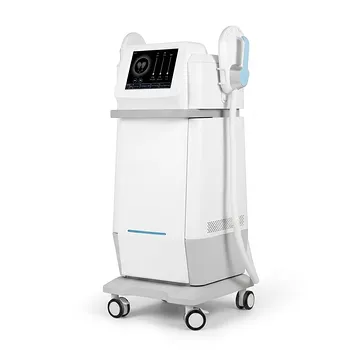
RF body sculpting works primarily by controlled tissue heating. High-frequency electrical energy creates ionic movement and molecular friction in the dermis and subcutaneous tissue, raising temperature without intentionally removing tissue surgically. The heat can contract existing collagen, stimulate longer-term collagen remodeling, influence fat-cell viability or fat mobilization, and temporarily improve local circulation and fluid movement—together producing tighter contours and a smoother cellulite appearance.
Core takeaway: RF does not “melt” cellulite in one simple process. Its effects come from temperature-dependent changes in collagen and connective tissue, possible treatment-related injury to some adipocytes, and short- to medium-term changes in tissue fluid dynamics; results depend strongly on device settings, treatment depth, and patient biology.
How RF Energy Produces Biological Effects
Alternating electrical energy becomes heat
RF devices deliver alternating electrical or electromagnetic energy through targeted tissue. As ions and other charged molecules respond to the changing field, tissue resistance converts part of that energy into heat.
The device’s electrode configuration, frequency, power, contact method, and tissue properties determine where heating occurs. Monopolar or unipolar systems generally reach deeper tissues, while bipolar and multipolar systems tend to concentrate energy more superficially; actual depth is device- and protocol-dependent.
Tissue temperature determines the response
RF is not beneficial merely because tissue becomes warm. The biological result depends on the achieved temperature, exposure time, treatment area, and temperature control.
Controlled heating can affect collagen-rich dermal tissue, fibrous connective septa, and subcutaneous fat. Excessive or poorly controlled heating, however, can cause burns or unwanted tissue injury, which is why professional systems monitor temperature, energy delivery, and skin response.
How RF Tightens Skin and Connective Tissue
Immediate collagen contraction
Collagen fibers are stabilized by molecular bonds that maintain their organized structure. Sufficient thermal exposure alters this structure and causes existing collagen fibers to contract.
This produces an early tightening effect, although the visible result may also include temporary changes in tissue hydration and swelling. The extent of immediate contraction varies with the tissue temperature and treatment protocol.
Longer-term collagen remodeling
Thermal stimulation can initiate a controlled wound-healing response in the dermis and connective tissue. Fibroblasts may then produce and reorganize new collagen, a process known as neocollagenesis.
Remodeling develops gradually rather than immediately. It can improve dermal firmness and the interface between skin and underlying tissue, helping loose skin appear smoother.
Possible elastin and septal effects
Some RF protocols may also promote broader connective-tissue remodeling, including changes associated with elastic-fiber support. The clinically important point is improved structural support, not the creation of a new layer of tissue.
RF may soften or remodel fibrous septa that contribute to cellulite dimpling, but non-invasive RF does not physically cut those septa. That distinction explains why RF can improve cellulite without providing the same mechanism as a surgical subcision procedure.
How RF Can Influence Fat and Body Contours
Heating of subcutaneous fat
Subcutaneous fat has electrical and thermal properties that influence how energy is distributed and retained. In appropriate treatment conditions, RF can raise the temperature of fat-containing tissue and surrounding connective structures.
This may increase metabolic activity and promote fat mobilization. However, “fat mobilization” does not automatically mean permanent fat-cell removal.
Adipocyte injury or apoptosis
At sufficiently high and sustained thermal exposures, some RF systems may cause cellular stress or injury in adipocytes, potentially leading to apoptosis—the programmed death of cells.
This mechanism should be stated cautiously. RF does not reliably cause adipocyte apoptosis in every device or treatment, and it should not be described as universally producing fat necrosis or guaranteed fat-cell destruction. The clinical outcome depends on the delivered thermal dose and the device’s validated design.
Contour changes are usually modest
When subcutaneous tissue volume decreases and overlying skin tightens, circumference or localized contour may improve. RF therefore works best for localized laxity, mild contour irregularity, and skin-texture concerns, rather than as a substitute for weight loss or surgical fat removal.
Why Cellulite May Look Smoother
Cellulite is a structural problem
Cellulite reflects the interaction of several factors: subcutaneous fat distribution, skin laxity, connective-tissue septa, fluid dynamics, and surface tension. It is not simply excess fat.
RF addresses several of these contributors at once, particularly collagen support, tissue contraction, and possibly the volume or metabolic behavior of superficial fat.
Fibrous tissue remodeling reduces visual dimpling
When collagen-rich tissue and fibrous septa are heated, they may contract and remodel. Tightening the dermal and subdermal support structures can reduce the contrast between tethered depressions and surrounding bulges.
The result is generally a smoother appearance, not the permanent elimination of the anatomical structures that create cellulite.
Circulation and fluid movement may contribute
Thermal exposure can increase local blood flow and may support lymphatic fluid movement. These effects can reduce temporary tissue congestion and improve the appearance of uneven texture.
They should not be confused with permanent fat reduction. Circulatory and fluid-related improvements may be temporary and can vary substantially between individuals.
Understanding the Trade-offs
Heat is the treatment mechanism and the safety risk
Effective RF requires adequate energy delivery into the intended tissue. Too little energy may produce little visible change; too much energy or poor contact can injure the skin.
Professional treatment should therefore include appropriate coupling, continuous movement where required, temperature monitoring, and adherence to the device’s validated protocol.
Results are progressive and variable
Collagen remodeling takes time, and fat-related effects are not identical across RF platforms. Treatment outcomes depend on skin thickness, fat distribution, age-related collagen changes, baseline laxity, device design, and the number of sessions.
A visible improvement should be understood as tissue remodeling and contour refinement, not a guaranteed or dramatic reduction in body mass.
Maintenance may be necessary
Because RF does not remove all cellulite structures or stop the biological processes that contribute to skin laxity, results may diminish over time. Maintenance sessions are often used to preserve the appearance of improvement.
Claims of permanent cellulite removal or universal fat-cell destruction overstate what the mechanism supports.
Device terminology can be misleading
Terms such as monopolar, bipolar, multipolar, deep, and thermal lipolysis describe energy-delivery approaches, not guaranteed biological outcomes. A device’s actual effect depends on its power, frequency, electrode geometry, cooling, treatment motion, and ability to maintain a controlled tissue temperature.
The most meaningful question is not simply which electrode configuration is used, but what tissue temperature and exposure profile the system can safely deliver.
How to Apply This to Your Goal
RF can be a reasonable option when the objective is gradual improvement rather than surgical-level tissue removal.
- If your primary focus is skin tightening: Choose a protocol designed to heat the dermis and superficial connective tissue in a controlled manner, with results evaluated over the following weeks as collagen remodeling develops.
- If your primary focus is cellulite reduction: Expect smoothing rather than elimination, because RF can remodel and contract tissue but does not physically sever cellulite-producing fibrous bands.
- If your primary focus is localized contouring: Treat RF as a modest body-contouring tool whose results depend on thermal delivery and may involve fat mobilization or adipocyte injury, not guaranteed fat destruction.
- If your primary focus is safety: Prioritize a regulated device, trained operator, temperature monitoring, appropriate contraindication screening, and a protocol that protects the epidermis while treating deeper tissue.
RF works best when its role is understood accurately: controlled heating can remodel tissue and improve appearance, but it is not a universal substitute for fat removal, weight management, or surgery.
Summary Table:
| Mechanism | Biological Effect | Clinical Outcome |
|---|---|---|
| Tissue Heating | Ionic movement and molecular friction produce heat | Raises temperature in dermis and subcutaneous tissue |
| Collagen Contraction | Existing collagen fibers contract | Immediate skin tightening |
| Neocollagenesis | Fibroblasts produce new collagen | Gradual skin firmness and texture improvement |
| Septal Remodeling | Fibrous septa soften and remodel | Smoother cellulite appearance |
| Fat Heating | Increased metabolic activity and fat mobilization | Modest contour changes |
| Adipocyte Apoptosis | Thermal stress induces programmed cell death in fat cells | Potential localized fat reduction |
| Circulation & Fluid | Increased blood and lymphatic flow | Temporary reduction in tissue congestion and smoother texture |
Ready to Elevate Your Aesthetic Practice?
At BELIS, we specialize in professional-grade medical aesthetic equipment exclusively for clinics and premium salons. Our advanced RF systems are designed to deliver safe, effective body sculpting and cellulite reduction, backed by validated protocols and comprehensive training.
Why choose BELIS?
- Cutting-edge technology: Our RF devices feature precise temperature control and multi-electrode configurations for optimal results.
- Proven performance: Trusted by top clinics worldwide, our equipment meets rigorous safety and efficacy standards.
- Comprehensive support: From installation to marketing, we provide ongoing assistance to ensure your success.
Partner with us to expand your service offerings and meet the growing demand for non-invasive body contouring. Your clients deserve the best—let us help you deliver it.
Contact us today to schedule a consultation and discover how BELIS can elevate your practice.
Related Products
- EMSlim Neo Nova Body Sculpting EMS Sculpting Machine
- EMS Body Sculpting Slimming Machine EMSlim Body Slimming Machine
- EMSlim RG Laser Body Sculpting and Slimming Machine
- Ultrasonic Cavitation Machine Lipo Laser Device
- Ultrasonic Cavitation Radiofrecuency Machine for Body Slimming
People Also Ask
- How do RF body sculpting devices target subcutaneous fat & tighten skin?
- What anatomical mechanisms cause lower face and submental contour loss, and how do body sculpting and RF technologies address jowls and neck laxity? Discover the key causes and non-surgical solutions.
- How can aesthetic practitioners accurately differentiate between muscular hypertrophy and subcutaneous fat accumulation when evaluating patients for calf or lower face contouring using body sculpting equipment?
- How does the cellular differentiation process of subcutaneous fat inform the mechanism of action behind non-invasive body sculpting equipment such as cryolipolysis and RF cavitation devices? Key insights for clinical practice
- How do non-invasive body sculpting equipment categories compare in mechanism and safety to chemical mesolipolysis injections for localized fat reduction?