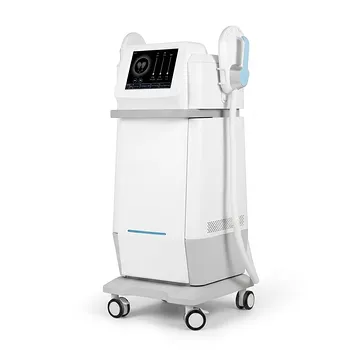
The main difference is how fat cells are targeted and how much procedural risk is introduced. Cryolipolysis uses controlled cooling to trigger apoptosis in susceptible subcutaneous fat cells, while ultrasound cavitation and radiofrequency-based systems use energy to affect fat tissue and, in the case of RF, heat surrounding tissue for tightening. Chemical mesolipolysis uses injected compounds to disrupt adipocytes, so its safety depends heavily on the substance, dilution, injection depth, anatomical site, and practitioner technique.
Non-invasive equipment generally avoids needle-related injury, infection, and injection-site necrosis, but it is not risk-free and does not remove the need for correct patient selection. Mesolipolysis can be useful in narrowly defined applications, yet its tissue response is more dependent on pharmacology and injection precision than device-based contouring.
How Each Category Reduces Localized Fat
Cryolipolysis Uses Controlled Cooling
Cryolipolysis cools a localized fat bulge to a temperature range that preferentially injures adipocytes while limiting damage to the overlying skin and nearby structures. The affected cells undergo apoptosis and are gradually cleared by the body over the following weeks.
Its main strength is focal reduction of pinchable subcutaneous fat, such as abdominal, flank, thigh, or submental fullness. It is not designed for general weight loss or the rapid removal of large fat volumes.
RF and Ultrasound Cavitation Use Energy
These technologies should be distinguished technically. Radiofrequency produces controlled thermal energy, which can improve skin laxity, collagen remodeling, and tissue texture; ultrasound cavitation uses acoustic energy that may disrupt fat cell membranes and influence the treated tissue.
Commercial systems sometimes combine RF and ultrasound under a single “RF cavitation” category. Their actual mechanism, treatment depth, energy level, and clinical evidence depend on the specific device rather than the marketing label.
Chemical Mesolipolysis Uses Injected Adipolytic Agents
Chemical mesolipolysis, sometimes called injection lipolysis or fat-dissolving mesotherapy, introduces active compounds directly into a fat deposit. Deoxycholate-based products can disrupt adipocyte membranes, while phosphatidylcholine-containing formulations have also been used in some practices.
The resulting cell injury produces a localized inflammatory response. Clearance and tissue remodeling then occur over time, but the treatment is not simply a controlled mechanical removal of fat; it is a pharmacological injury that must remain sufficiently localized.
How the Safety Profiles Differ
Non-Invasive Devices Reduce Needle-Related Hazards
Because cryolipolysis and external RF or ultrasound treatments do not pierce the skin, they avoid risks directly associated with injections. These include needle pain, injection-site infection, hematomas, inaccurate deposition, and chemical injury caused by delivery into the wrong tissue plane.
They also reduce dependence on manual depth control. That makes treatment more reproducible when the device is properly selected, maintained, and operated according to its instructions.
Mesolipolysis Has a Narrower Technical Margin
Injected treatments require accurate placement within the intended fat layer. Incorrect depth, excessive concentration, poor dilution, or uneven distribution can increase inflammation and expose skin, nerves, vessels, or other non-adipose tissue to the drug.
Reported or recognized reactions can include pain, swelling, erythema, bruising, prolonged edema, nodules, infection, ulceration, and tissue necrosis. The severity depends on the product and technique, and not every injectable formulation has the same regulatory status or evidence base.
Device Treatments Still Carry Specific Risks
“Non-invasive” means no surgical incision or injection, not zero risk. Cryolipolysis can cause temporary numbness, tenderness, swelling, redness, bruising, or contour irregularity. Rarely, paradoxical adipose hyperplasia can cause the treated area to enlarge rather than shrink.
RF can cause excessive heating, burns, pain, or pigmentary changes if energy delivery or cooling is inadequate. Ultrasound-based systems may also cause discomfort or tissue injury when used outside their validated settings.
Which Treatment Is More Predictable?
Devices Offer Greater Physical Control
A professional device can define treatment through parameters such as applicator geometry, cooling or energy level, exposure time, and treatment area. This creates a more standardized physical treatment window than manually distributing an injectable solution through a fat pocket.
That advantage is meaningful for clinics treating repeated body areas or larger, well-defined regions. It does not guarantee a uniform result, because anatomy, fat thickness, applicator contact, and operator technique still matter.
Injections Depend More on Biological and Technical Variables
Mesolipolysis depends on both the drug’s chemical behavior and its distribution through tissue. Local buffering, tissue composition, injection depth, and the patient’s inflammatory response influence how selectively the treatment affects adipocytes.
This makes the outcome more operator-dependent. The treatment may be practical for a small, precisely selected fat pocket, but it is less suitable as a broad substitute for large-area body contouring.
What Results Should Patients Expect?
Cryolipolysis Is Suited to Localized Bulges
Cryolipolysis is most appropriate when a patient has a stable weight and a discrete, pinchable fat deposit that does not respond adequately to lifestyle measures. Results develop gradually rather than immediately because the body clears injured cells over time.
Multiple sessions may be needed, and the achievable change is limited compared with surgical fat removal.
RF Is Often More Valuable for Skin Quality
RF is commonly better positioned as a skin-tightening and tissue-laxity treatment than as a standalone high-volume fat-reduction method. Its thermal effects may support collagen remodeling, circulation, and improvement in the appearance of lax or dimpled skin.
It can therefore complement a fat-reduction modality when the clinical problem includes both localized fullness and reduced skin firmness.
Mesolipolysis Targets Small Treatment Zones
Injection lipolysis is generally used for smaller fat pockets, depending on the product’s approved indication and the practitioner’s protocol. Swelling and inflammation can temporarily obscure the cosmetic result, and treatment may require multiple sessions.
It should not be presented as equivalent to liposuction for debulking substantial volumes of fat.
Understanding the Trade-offs
Non-Invasive Does Not Mean Risk-Free
External devices avoid many injection and surgical complications, but they can still cause thermal, cold-related, acoustic, or contour-related adverse effects. Appropriate screening remains necessary, including assessment of skin condition, fat distribution, sensation, relevant medical conditions, and device-specific contraindications.
Chemical Treatments Are Not Interchangeable
The term “mesolipolysis” covers different formulations and protocols. Evidence, approvals, dosing instructions, and known risks vary considerably, so conclusions about one deoxycholate product should not automatically be applied to every phosphatidylcholine or mesotherapy mixture.
Clinics should verify the product’s regulatory authorization for the intended anatomical site rather than relying on the general category name.
Neither Category Replaces Weight Management or Surgery
These treatments contour selected areas; they do not treat obesity or reliably remove large quantities of fat. Patients seeking major volume reduction, or those with substantial skin excess, may require a different clinical approach.
Surgery can produce more substantial and rapid debulking, but it introduces anesthesia, incision, recovery, scarring, and other procedural risks that non-invasive treatments are intended to avoid.
Marketing Claims Can Overstate RF Cavitation
“RF cavitation” is not a single standardized mechanism. A clinic should identify whether a device uses cryogenic cooling, RF heating, ultrasound cavitation, or a combination, and should explain which outcome is realistic: fat-layer reduction, skin tightening, cellulite-texture improvement, or some combination.
Making the Right Choice for Your Goal
The appropriate choice depends on the size and location of the fat deposit, skin laxity, treatment tolerance, regulatory status of the product or device, and the patient’s expectations.
- If your primary focus is a discrete, pinchable fat bulge: Cryolipolysis is generally the most directly matched non-invasive category, provided the patient is appropriately screened and accepts gradual results.
- If your primary focus is skin laxity or cellulite texture: RF-based treatment may be more relevant because its principal value is controlled heating, collagen remodeling, and tissue tightening.
- If your primary focus is a very small localized pocket: Chemical mesolipolysis may be considered only when the formulation, indication, dosing, and injector expertise are appropriate and clearly documented.
- If your primary focus is avoiding needles and downtime: External device-based contouring offers the clearer safety advantage, while still requiring trained operation and counseling about device-specific risks.
- If your primary focus is substantial fat-volume reduction: Neither mesolipolysis nor non-invasive sculpting is equivalent to surgical fat removal, and expectations should be adjusted accordingly.
The safest decision is based on the exact treatment mechanism, validated indication, practitioner competence, and realistic cosmetic goal rather than on whether a treatment is labeled “non-invasive” or “chemical.”
Summary Table:
| Category | Mechanism | Safety Profile | Best For |
|---|---|---|---|
| Cryolipolysis | Controlled cooling induces apoptosis in adipocytes | Minimal needle-related risks; rare PAP, temporary numbness | Discrete, pinchable fat bulges |
| RF / Ultrasound Cavitation | Thermal or acoustic energy disrupts fat tissue, may tighten skin | Burns, pigmentation if not controlled; no injections | Skin laxity, cellulite, localized fat |
| Chemical Mesolipolysis | Injected agents dissolve fat cell membranes | Needle risks: infection, necrosis, nodules; operator-dependent | Small, precisely targeted fat pockets |
Discover the optimal body sculpting solution for your clinic. At BELIS, we offer professional-grade non-invasive devices—cryolipolysis, RF cavitation, and more—with OEM/ODM support and certifications. Contact us today to elevate your practice: Contact Us.
Related Products
- EMSlim Neo Nova Body Sculpting EMS Sculpting Machine
- EMS Body Sculpting Slimming Machine EMSlim Body Slimming Machine
- EMS Body Sculpting Machine for Body Slimming and Sculpting
- EMSlim RG Laser Body Sculpting and Slimming Machine
- EMSlim Body Slimming Machine for Muscle Building and Beauty
People Also Ask
- How do RF body sculpting devices target subcutaneous fat & tighten skin?
- What is the biological mechanism of action by which radiofrequency (RF) energy achieves body sculpting and cellulite reduction? Discover how controlled heating remodels collagen, influences fat, and smooths skin.
- What anatomical mechanisms cause lower face and submental contour loss, and how do body sculpting and RF technologies address jowls and neck laxity? Discover the key causes and non-surgical solutions.
- How can aesthetic practitioners accurately differentiate between muscular hypertrophy and subcutaneous fat accumulation when evaluating patients for calf or lower face contouring using body sculpting equipment?
- How does the cellular differentiation process of subcutaneous fat inform the mechanism of action behind non-invasive body sculpting equipment such as cryolipolysis and RF cavitation devices? Key insights for clinical practice