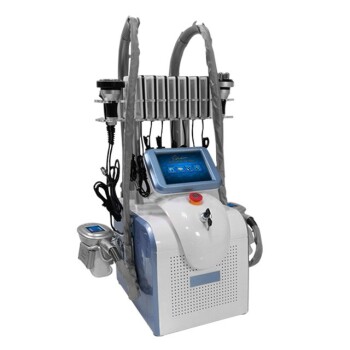
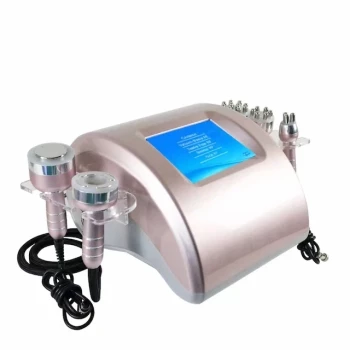
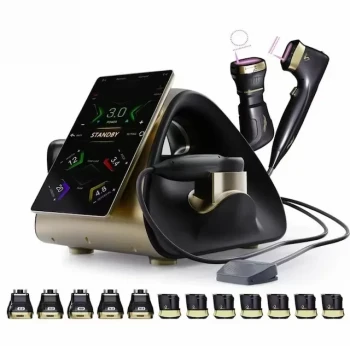
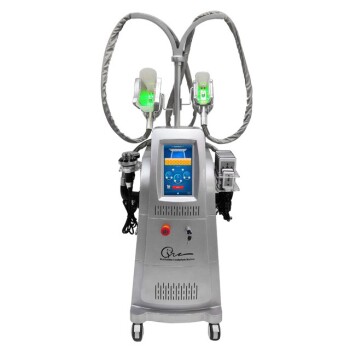
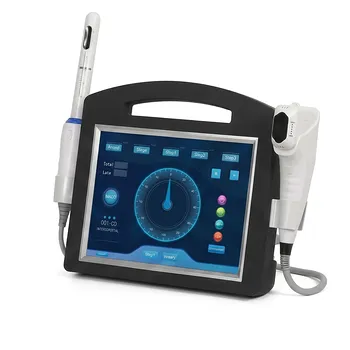
The differentiation state of subcutaneous fat explains why non-invasive body sculpting targets mature adipocytes rather than “fat” as an undifferentiated tissue. Adipose tissue develops from multipotent stem cells through preadipocytes into large, lipid-filled mature adipocytes under the control of regulators such as PPAR-γ and C/EBP-α. Because mature adipocytes contain abundant intracellular lipid and have a different physical composition from surrounding skin, muscle, nerves, and blood vessels, controlled cooling, radiofrequency heating, or acoustic energy can affect them preferentially. The damaged cells or disrupted lipid structures are then processed gradually by local inflammatory and metabolic clearance mechanisms.
The key connection is cellular maturity: differentiation creates lipid-dense adipocytes with physical and metabolic properties that energy-based devices can exploit. Cryolipolysis primarily uses selective cold injury, while RF and ultrasound-based systems use thermal or mechanical effects; neither should be understood as simply “melting fat.”
How Adipocytes Become Targets
Differentiation creates a lipid-rich cell
Adipose development begins with multipotent stem cells and preadipocytes. During terminal differentiation, transcription factors including PPAR-γ and C/EBP-α activate the adipocyte program.
The developing cell changes from a relatively fibroblast-like form into a large, rounded cell containing substantial intracellular lipid droplets. This physical transformation is central to the mechanism of non-invasive fat reduction.
Mature adipocytes express specialized metabolic machinery
Mature adipocytes express functional markers such as GLUT-4, hormone-sensitive lipase, and glycerol-3-phosphate dehydrogenase. These markers support glucose uptake, lipid storage, and lipid mobilization.
The important device-related feature is not any single marker. It is the combination of high lipid content, large cell size, and distinct thermal and mechanical behavior compared with surrounding tissues.
Differentiation separates fat reduction from weight loss
Body-sculpting equipment is designed to reduce localized subcutaneous adipose volume, not to treat generalized obesity or remove visceral fat. The treatment changes the number, size, or integrity of adipocytes in a selected region.
This distinction matters clinically because a patient may have normal overall body weight while still having a localized, expandable deep or superficial subcutaneous fat compartment.
How Cellular Biology Informs Cryolipolysis
Cold preferentially stresses lipid-rich adipocytes
Cryolipolysis applies controlled cooling to a fold of subcutaneous tissue. Lipid-rich adipocytes are more susceptible to cold-induced injury than many surrounding water-rich tissues because intracellular lipids undergo phase changes at temperatures that do not affect adjacent tissues in the same way.
This difference creates a selective treatment window, although selectivity is not absolute and depends on temperature, duration, applicator design, tissue thickness, and patient anatomy.
Injury initiates a delayed clearance response
Controlled cold exposure can produce adipocyte stress and injury, followed by an inflammatory response. Apoptotic signaling, including markers such as caspase activation and membrane changes, has been described in the treated tissue.
The subsequent reduction is gradual rather than immediate. Macrophages and other clearance processes remove cellular debris over the following weeks, with clinical changes developing across a period commonly described as several weeks to a few months.
The target is the mature adipocyte, not necessarily the progenitor pool
The differentiation model helps explain why mature, lipid-filled adipocytes are the principal target. Their intracellular lipid content makes them more vulnerable to the physical conditions used by cryolipolysis.
However, it is too strong to conclude that all progenitor cells are always unaffected. Treatment depth and energy distribution determine which cells experience sufficient exposure, and the long-term biological response involves more than a simple mature-cell-versus-stem-cell distinction.
How RF and Acoustic Cavitation Use the Same Biology Differently
RF primarily uses controlled heating
Radiofrequency devices deliver electromagnetic energy that is converted into heat within tissue. Depending on the system and treatment parameters, the intended effects may include heating of subcutaneous tissue, changes in adipocyte stress, and remodeling or contraction of connective tissue.
RF does not rely on the same cold-sensitive lipid phase transition as cryolipolysis. Its selectivity instead depends on energy frequency, tissue impedance, applicator geometry, temperature control, exposure time, and protection of the skin surface.
Ultrasound cavitation is a mechanical modality
“RF cavitation” is often used commercially to describe combination equipment, but the mechanisms should be distinguished. Cavitation generally refers to ultrasound-induced mechanical effects, whereas RF supplies electromagnetic heating.
Ultrasound may generate pressure oscillations and mechanical stress around or within adipose tissue. Depending on the device and parameters, this can increase membrane stress or permeability and alter the handling of intracellular lipids.
Membrane disruption is not identical to apoptosis
Cryolipolysis is commonly described as inducing programmed cell death and subsequent clearance. RF and ultrasound treatments may involve a mixture of thermal stress, membrane effects, lipid mobilization, and inflammatory clearance.
Therefore, claims that every RF or cavitation device directly causes predictable adipocyte apoptosis should be treated cautiously. The actual mechanism depends on the specific technology, delivered energy, treatment protocol, and clinical evidence for that device.
Why the Differentiation Pathway Matters Clinically
It identifies the tissue that treatment can realistically change
A mature adipocyte is a lipid-storage cell, not merely an empty space in the tissue. Reducing its volume or removing it through a controlled injury response can decrease the thickness of a localized subcutaneous fat layer.
This explains why these procedures are better suited to contouring localized deposits than to producing large-scale body-weight reduction.
It guides treatment depth and applicator selection
Subcutaneous fat is organized into anatomical layers, including superficial and deeper compartments separated by fascial structures. The relevant target must be reachable by the applicator without delivering excessive energy to skin or deeper structures.
Practitioners therefore need to assess the pinchable fat thickness, tissue mobility, body region, and treatment depth rather than selecting settings from body weight alone.
It explains the delayed treatment endpoint
Cellular injury is followed by inflammatory processing and clearance. The visible contour change therefore develops progressively rather than at the moment of treatment.
This delayed biology should be reflected in treatment planning, photography, follow-up intervals, and patient expectations.
Understanding the Trade-offs
Selectivity is relative, not absolute
Energy-based devices exploit differences between adipocytes and surrounding tissues, but they do not create a perfect biological boundary. Excessive exposure, unsuitable anatomy, poor coupling, or incorrect settings can increase the risk of burns, pain, nerve effects, uneven contouring, or other complications.
Safety depends on the device’s validated operating range and appropriate patient selection.
Treatment does not address visceral adiposity
Cryolipolysis, RF, and ultrasound-based contouring primarily address accessible subcutaneous tissue. They are not substitutes for interventions aimed at visceral fat, metabolic disease, or overall weight management.
A visibly prominent abdomen may contain both subcutaneous and visceral components, and external devices cannot reliably remodel fat that the applicator cannot reach.
Cell injury does not guarantee uniform contouring
The clinical result depends on fat distribution, tissue thickness, applicator contact, energy delivery, and the body’s clearance response. Even when adipocyte injury occurs, the resulting reduction may be modest or uneven.
A realistic treatment plan should account for the possibility of incomplete response and the need for multiple sessions or alternative approaches.
“Non-invasive” does not mean risk-free
Avoiding incisions and anesthesia reduces certain procedural burdens, but it does not eliminate biological risk. Thermal, cold, and mechanical energy can all affect tissue if applied outside the intended anatomical or dosimetric range.
Device-specific evidence is more reliable than broad claims made about an entire category such as “RF cavitation.”
Making the Right Choice for Your Goal
The differentiation model is most useful when it is combined with anatomical assessment and a clear understanding of each device’s energy mechanism.
- If your primary focus is localized subcutaneous fat reduction: Choose a modality and applicator designed for the patient’s measurable, accessible fat compartment, while setting expectations for gradual and limited contour change.
- If your primary focus is cold-selective adipocyte injury: Cryolipolysis is the relevant mechanism, because it uses controlled cooling to preferentially stress lipid-rich mature adipocytes.
- If your primary focus is tissue heating or skin and connective-tissue effects: RF may be more relevant, but outcomes depend strongly on temperature control, treatment depth, and the specific device.
- If your primary focus is acoustic mechanical effects: Evaluate an ultrasound cavitation system separately from RF, because cavitation and radiofrequency use different forms of energy and should not be treated as interchangeable.
- If your primary focus is overall weight or visceral-fat reduction: Non-invasive contouring equipment is not the primary solution; broader medical, nutritional, and exercise-based management is required.
Understanding adipocyte differentiation turns body sculpting from a vague “fat-melting” concept into a tissue-specific decision about which mature adipocyte properties an energy modality can safely exploit.
Summary Table:
| Mechanism | Target | Key Physical Principle | Clinical Relevance |
|---|---|---|---|
| Cryolipolysis | Mature adipocytes | Cold-induced lipid phase change | Delayed reduction over weeks |
| RF Heating | Adipocytes & connective tissue | Electromagnetic energy converted to heat | Tissue heating, remodeling |
| Ultrasound Cavitation | Adipocyte membranes | Mechanical pressure oscillations | Membrane disruption, lipid release |
Looking to integrate advanced body sculpting into your clinic? Partner with BELIS for professional-grade solutions. Our portfolio includes FDA-cleared cryolipolysis, RF, and HIFU systems, plus comprehensive training and OEM/ODM support. Contact us today to learn how we can elevate your practice and boost patient satisfaction. Get in touch.
Related Products
- EMSlim Neo Nova Body Sculpting EMS Sculpting Machine
- EMS Body Sculpting Machine for Body Slimming and Sculpting
- EMS Body Sculpting Slimming Machine EMSlim Body Slimming Machine
- EMSlim RG Laser Body Sculpting and Slimming Machine
- EMSlim Body Slimming Machine for Muscle Building and Beauty
People Also Ask
- How do RF body sculpting devices target subcutaneous fat & tighten skin?
- What is the biological mechanism of action by which radiofrequency (RF) energy achieves body sculpting and cellulite reduction? Discover how controlled heating remodels collagen, influences fat, and smooths skin.
- What anatomical mechanisms cause lower face and submental contour loss, and how do body sculpting and RF technologies address jowls and neck laxity? Discover the key causes and non-surgical solutions.
- How can aesthetic practitioners accurately differentiate between muscular hypertrophy and subcutaneous fat accumulation when evaluating patients for calf or lower face contouring using body sculpting equipment?
- How do non-invasive body sculpting equipment categories compare in mechanism and safety to chemical mesolipolysis injections for localized fat reduction?