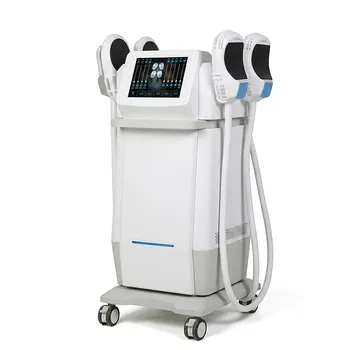
Treat pacemakers, metal implants, and keloid history as major safety concerns when using radiofrequency or thermal aesthetic equipment. Clients with pacemakers, defibrillators, or other electronic implants should not receive RF or electrotherapy because electrical energy may interfere with device function. Metal implants in or near the treatment area can conduct heat and cause deep tissue overheating or burns. Clients with a history of keloids or hypertrophic scars should avoid aggressive treatments that intentionally create substantial dermal injury or wound-healing responses.
The correct precaution is to screen before treatment, follow the device manufacturer’s contraindications and medical-director guidance, and choose a non-aggressive alternative when an implant or abnormal scarring history creates unacceptable risk.
Screen Before Using RF or Thermal Equipment
Identify Electronic Implants
Obtain a complete medical history before treatment and ask specifically about pacemakers, implanted cardiac defibrillators, neurostimulators, and other electronic implants.
RF and electrotherapy should generally be regarded as contraindicated for clients with these devices because electrical energy may interfere with their operation.
Locate All Metallic Implants
Ask about metal plates, screws, pins, joint replacements, dental implants, and other implanted conductive materials.
The greatest concern is metal within or close to the treatment zone, where RF or thermal energy could concentrate heat and produce a deep burn.
Confirm the Treatment Area
Document the location of any implant in relation to the planned treatment area.
Do not assume that an implant is safe simply because it is outside the immediate target area. The equipment’s instructions, manufacturer guidance, and supervising medical professional should determine whether treatment is permissible.
Review Scarring History
Ask whether the client has previously developed keloids or hypertrophic scars, including after surgery, injections, piercings, acne, or other skin injuries.
A prior history indicates that the client may respond abnormally to controlled tissue injury, making aggressive energy-based procedures unsuitable.
Why These Contraindications Matter
Electronic Interference Can Affect Device Function
RF equipment delivers electromagnetic or electrical energy into tissue. In a client with an implanted electronic device, that energy may interfere with the device’s sensing, signaling, or normal operation.
This risk is particularly serious with cardiac pacemakers and defibrillators, so these clients should not undergo RF or electrotherapy unless an appropriately qualified medical professional and the specific device guidance clearly establish safety.
Metal Can Create Localized Overheating
Metal is conductive and may interact with delivered energy differently from surrounding tissue.
When an implant is in or near the treatment area, heat may become concentrated around it, potentially causing deep thermal injury, burns, or significant pain even when the surface of the skin appears acceptable.
Keloids Can Grow After Tissue Injury
Aggressive thermal treatments may work partly by creating a controlled dermal wound response. For someone prone to keloids or hypertrophic scarring, that response can trigger excessive scar formation instead of predictable remodeling.
The concern is therefore not limited to the immediate heat exposure. It includes the client’s longer-term wound-healing response.
Apply Conservative Treatment Controls
Use Proper Pre-Treatment Evaluation
Record the client’s medical history, implant information, previous procedures, scarring history, and relevant skin conditions.
Obtain informed consent and explain realistic outcomes, potential complications, and any required post-treatment care before proceeding.
Follow Professional and Manufacturer Guidance
Estheticians must follow the equipment manufacturer’s instructions and the requirements of their medical director or place of business.
When guidance differs between a general protocol and the device-specific instructions, do not proceed until the supervising qualified professional has resolved the uncertainty.
Avoid Aggressive Modalities
For clients with electronic implants, relevant metal implants, or a significant keloid history, avoid invasive or highly aggressive thermal procedures.
Select a non-aggressive, non-ablative alternative only after confirming that it has no comparable contraindication for the client’s medical history.
Prevent Surface Burns During Permitted Treatments
When treatment is otherwise appropriate, maintain continuous full contact between the applicator and the conductive gel or coupling medium specified for the device.
Use the recommended parameters, begin conservatively where the protocol permits, monitor client feedback and skin response, and stop if unusual pain, excessive heat, or other warning signs occur.
Understanding the Trade-offs
Do Not Rely on Distance Alone
An implant outside the treatment zone may present less risk than one directly beneath it, and some device designs may confine energy more tightly than others.
However, this does not create a universal safety rule. The decision must be based on the specific equipment, implant, treatment area, and medical guidance.
Do Not Confuse RF With Light-Based Treatments
RF is not absorbed according to skin pigment in the same way as laser or IPL energy, but that does not make it safe for every client.
RF still requires screening for electronic implants, relevant metal implants, pregnancy or nursing, active infections, impaired healing, connective-tissue or autoimmune conditions, and abnormal scarring history.
Do Not Treat Keloid Risk as a Minor Side Effect
A client prone to keloids may develop a scar that extends beyond the original treatment injury and becomes persistent or symptomatic.
Avoiding an aggressive procedure is usually more appropriate than attempting to manage an avoidable pathological scar afterward.
Do Not Skip Post-Treatment Instructions
If a treatment produces crusting or scabs, instruct the client not to pick, scratch, or remove them prematurely.
Trauma during healing can increase the risk of infection, delayed healing, and additional scarring.
Making the Right Choice for Your Goal
Use the screening result to determine whether treatment should be postponed, medically reviewed, or replaced with a lower-risk option.
- If your primary focus is cardiac-device safety: Do not perform RF or electrotherapy on a client with a pacemaker, defibrillator, or other electronic implant without explicit, device-specific clearance from an appropriately qualified medical professional.
- If your primary focus is metal-implant safety: Avoid treating over or near metallic implants unless the specific equipment guidance and supervising medical professional confirm that the treatment is appropriate.
- If your primary focus is scar prevention: Avoid aggressive, invasive, or strongly wound-inducing thermal procedures for clients with a history of keloids or hypertrophic scarring.
- If your primary focus is operational compliance: Complete documented screening, informed consent, parameter checks, monitoring, and post-treatment education under the applicable medical-director and manufacturer protocols.
A careful contraindication assessment is the most reliable way to protect the client while choosing an aesthetic treatment that matches their medical risk profile.
Summary Table:
| Contraindication | Risk | Precaution |
|---|---|---|
| Pacemakers/Electronic Implants | Electrical interference may disrupt device function | Avoid RF/electrotherapy; obtain medical clearance if considered safe |
| Metal Implants | Heat concentration can cause deep tissue burns | Avoid treating over/near implants; consult manufacturer and medical director |
| Keloid/Scar History | Abnormal wound healing may lead to excessive scarring | Avoid aggressive thermal procedures; opt for non-ablative alternatives |
Ensure Client Safety with BELIS Professional Aesthetic Equipment
At BELIS, we prioritize safety and efficacy in every device we offer. Our range of RF, laser, and energy-based systems includes advanced safety features and detailed contraindication guidelines to help you provide the highest standard of care. Whether you're a clinic or premium salon, our equipment meets international safety standards, and we provide comprehensive training and support.
Protect your patients and enhance your practice with BELIS solutions. Contact our experts today for a personalized consultation on selecting the right technology for your needs. Get in touch with us now to learn more about our advanced aesthetic systems and how they can benefit your business.
Related Products
- EMSlim Neo Nova Body Sculpting EMS Sculpting Machine
- EMS Body Sculpting Slimming Machine EMSlim Body Slimming Machine
- IPL SHR+Radio frecuency machine
- Clinic Use IPL and SHR Hair Removal Machine with Nd Yag Laser Tattoo Removal
- Clinic Use IPL SHR ND YAG Laser Hair Removal RF Skin Tightening Machine
People Also Ask
- What anatomical mechanisms cause lower face and submental contour loss, and how do body sculpting and RF technologies address jowls and neck laxity? Discover the key causes and non-surgical solutions.
- How do the mid-infrared transmission spectra of fatty tissue and lipids assist in understanding selective targeting for body sculpting devices like cryolipolysis and RF cavitation? Mid-infrared spectra reveal lipid-specific markers, aiding tissue characterization.
- How should aesthetic clinics evaluate post-massive weight loss patients using tissue assessment techniques like the pinch test to determine suitability for non-invasive body sculpting devices versus surgical tissue excision? A Comprehensive Guide
- What are the VTE safety advantages of non-invasive body sculpting over surgery? Lower thromboembolic risk without general anesthesia
- What physiological factors cause high volume loss in autologous fat transfers, and how do non-invasive body sculpting technologies circumvent these limitations?