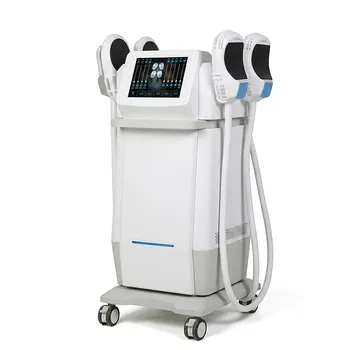
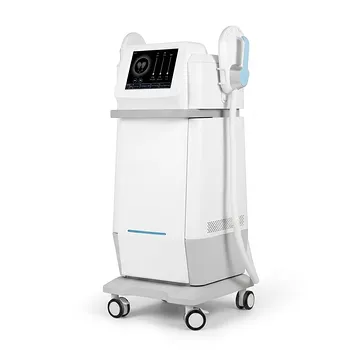
The body consists of two distinct types of fat tissue: subcutaneous and visceral, and they differ completely in their treatability. Subcutaneous fat is the soft, "pinchable" layer just beneath the skin and responds very well to this procedure. Conversely, visceral fat is denser, situated deeper within the body, and cannot be reached or treated by this method.
The Core Takeaway The success of this treatment relies entirely on the physical accessibility of the fat. If the tissue is soft and can be pinched between your fingers (subcutaneous), it is a viable target; if it is deep or dense (visceral), the technology will be ineffective.
Distinguishing Between the Two Fat Types
To understand why results vary, you must identify which type of tissue predominantly makes up the area you wish to treat.
Subcutaneous Fat: The Ideal Candidate
This tissue is located directly under the skin’s surface. Because it is pliable, it allows the treatment device to access and affect the fat cells.
The primary reference notes that this fat is typically found in the tummy, chin, and inner thighs. Since this tissue can be physically pinched and isolated, it responds "very well" to the procedure.
Visceral Fat: The Unresponsive Layer
Visceral fat is characterized by being denser and located deeper within the body. Unlike subcutaneous fat, it is generally not visible or graspable at the surface.
According to the provided text, this type of fat is commonly associated with the hips, outer thighs, and lower back. Because of its depth and density, this procedure cannot reach these fat stores, rendering the treatment ineffective for these specific areas.
Common Pitfalls to Avoid
Misidentifying Your Fat Type
The most common mistake is assuming all body fat is the same. Patients often seek treatment for areas like the outer thighs or lower back, expecting the same results as they would see on the abdomen.
However, if the fat in these areas is dense and cannot be pinched (classified here as visceral), the treatment will not work. It is critical to differentiate between "soft" surface fat and "hard" deep fat before investing in the procedure.
Making the Right Choice for Your Goal
To determine if you are a candidate, perform a simple self-assessment based on the area you want to improve.
- If your primary focus is the Tummy, Chin, or Inner Thighs: You are likely a good candidate, provided the fat is soft and pinchable (subcutaneous).
- If your primary focus is the Hips, Outer Thighs, or Lower Back: You should exercise caution, as the text indicates this fat is often deep and dense (visceral), making it unresponsive to this treatment.
This procedure is a targeted tool for surface-level contouring, not a solution for deep, structural fat reduction.
Summary Table:
| Fat Type | Location | Characteristics | Treatment Response |
|---|---|---|---|
| Subcutaneous Fat | Tummy, Chin, Inner Thighs | Soft, pliable, "pinchable" layer just beneath the skin | Responds very well; ideal candidate |
| Visceral Fat | Hips, Outer Thighs, Lower Back | Dense, deep-seated, "hard" fat within the body | Ineffective; technology cannot reach this layer |
Elevate Your Clinic’s Results with BELIS Advanced Body Sculpting
Are you looking to provide your clients with the most effective fat reduction outcomes? BELIS specializes in professional-grade medical aesthetic equipment designed exclusively for clinics and premium salons. Whether you are targeting subcutaneous fat with our Cryolipolysis and EMSlim systems or enhancing skin texture with RF Cavitation and HIFU, our technology ensures precision and safety.
Help your clients achieve the body they desire with our advanced laser and body contouring solutions. Contact us today to discover how BELIS can empower your practice with the industry's leading aesthetic devices!
Related Products
- EMSlim Neo Nova Body Sculpting EMS Sculpting Machine
- 12D HIFU Machine Device for Facial HIFU Treatment
- Fat Freezing Cryolipolysis Machine for Body Contouring
- 7D 12D 4D HIFU Machine Device
- Fat Freezing Cryolipolysis Machine for Body Contouring
People Also Ask
- What anatomical mechanisms cause lower face and submental contour loss, and how do body sculpting and RF technologies address jowls and neck laxity? Discover the key causes and non-surgical solutions.
- How do the mid-infrared transmission spectra of fatty tissue and lipids assist in understanding selective targeting for body sculpting devices like cryolipolysis and RF cavitation? Mid-infrared spectra reveal lipid-specific markers, aiding tissue characterization.
- How should aesthetic clinics evaluate post-massive weight loss patients using tissue assessment techniques like the pinch test to determine suitability for non-invasive body sculpting devices versus surgical tissue excision? A Comprehensive Guide
- What are the VTE safety advantages of non-invasive body sculpting over surgery? Lower thromboembolic risk without general anesthesia
- What common soft tissue complications follow surgical fat extraction, and how do non-invasive body sculpting modalities eliminate these risks? Discover safer alternatives for your patients