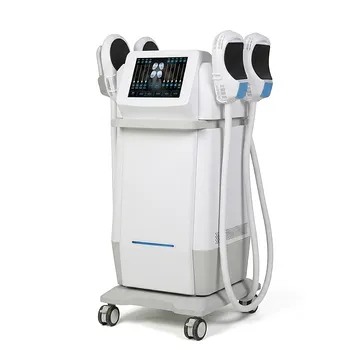
The primary safety rule is to screen the patient, the treatment area, and the specific RF device before delivering energy. RF body contouring should generally be avoided in patients with implanted electronic cardiac devices, pregnancy or breastfeeding, insufficient subcutaneous tissue, or a hernia in the treatment zone. Additional precautions include active infection or wounds, impaired healing, nearby metal, and strict control of applicator contact and delivered temperature.
RF body contouring is not automatically risk-free because it is non-chromophore-specific. Safe operation depends on device-specific contraindication screening, appropriate tissue depth, continuous skin contact, conservative energy settings, and immediate response to patient discomfort.
Screen for Absolute or Major Contraindications
Implanted electronic cardiac devices
Patients with pacemakers, implantable cardioverter-defibrillators, or other active implanted electronic devices should not undergo RF treatment unless the device manufacturer and a qualified medical professional explicitly confirm compatibility.
RF electrical currents may interfere with device function. This concern is particularly important with monopolar systems that use a grounding or dispersive pad.
Pregnancy and breastfeeding
RF body contouring should be avoided during pregnancy and breastfeeding because adequate safety data are limited and treatment is not clinically necessary during these periods.
The same precaution applies to RF microneedling, subcutaneous RF, and other systems that deliver RF energy into deeper tissue.
Insufficient subcutaneous fat
Do not treat areas with inadequate subcutaneous fat depth. If the tissue layer is too thin, energy may heat underlying muscle or other deeper structures rather than remaining confined to the intended adipose layer.
The operator should assess tissue thickness and follow the device’s required minimum treatment depth.
Hernias in or near the treatment area
RF should not be applied directly over a known or previous hernia treatment zone, unless the treating clinician has specifically determined that it is safe.
The concern is the altered anatomy and the possibility of heating or mechanically stressing vulnerable tissue.
Active skin disease or barrier disruption
Postpone treatment over open wounds, active dermatitis, skin infections, active lesions, or herpetic outbreaks. Energy delivery and applicator contact can worsen irritation and may contribute to the spread of infection.
The skin should be intact and clinically suitable before treatment begins.
Active or recently treated malignancy
Avoid treating areas with active skin cancer or suspicious untreated lesions. Any uncertain lesion should be evaluated before an aesthetic procedure is performed.
RF should not be used as a substitute for medical diagnosis or oncology guidance.
Evaluate Conditions That May Increase Risk
Impaired healing capacity
Use particular caution, or defer treatment, in patients with uncontrolled diabetes, significant autoimmune or connective-tissue disease, compromised circulation, or other conditions associated with poor healing.
The treating clinician should determine whether the patient can safely tolerate the expected thermal and mechanical stress.
Metallic implants and conductive materials
Avoid treatment over or near superficial metallic implants, metallic tattoos, or other conductive materials when the device’s instructions identify them as a contraindication.
Metal can concentrate thermal energy and may increase the risk of localized overheating or burns. This issue is device- and modality-specific, so the manufacturer’s instructions for use take precedence.
Medication and disease review
The intake should include relevant medications, recent procedures, prior adverse reactions, autoimmune conditions, collagen vascular disease, and any history of abnormal scarring.
Some references identify active anti-inflammatory medication use, keloid history, and severe systemic disease as reasons for caution or deferral; these should be handled through clinical judgment rather than treated as universal contraindications for every RF platform.
Control the Treatment Area and Energy Delivery
Maintain complete applicator contact
The electrode or applicator must maintain continuous, full contact with the skin and conductive medium throughout energy delivery.
Loss of contact can create electrical arcing, uneven heating, and superficial burns. The applicator should not be lifted, rocked, or moved in a way that creates intermittent contact while RF is active.
Prepare the skin correctly
Clean and degrease the treatment area according to the device protocol, then apply the specified conductive gel or medium evenly.
Do not substitute products unless the manufacturer permits it, because conductivity and compatibility affect energy delivery and skin safety.
Use conservative settings
Begin with device-appropriate parameters and, where required, perform a test area or initial test treatment to assess the patient’s response.
RF should produce a controlled, tolerable sensation of warmth—not sharp pain, burning, or escalating discomfort. Reduce or stop energy delivery immediately if the patient reports pain or abnormal sensations.
Monitor patient feedback continuously
The patient’s thermal response is an important safety signal. Do not rely on topical or injected numbing agents to conceal overheating unless the device protocol specifically permits them and appropriate clinical safeguards are in place.
Document the treatment parameters, area treated, patient response, and any adverse symptoms.
Respect anatomical landmarks
Avoid high-energy application over vulnerable structures, including areas where nerves are superficial. In the submental region, for example, excessive energy near the marginal mandibular nerve may cause thermal nerve injury or temporary muscle weakness.
The operator should understand the device’s treatment map and avoid applying energy outside the intended tissue plane.
Complete the Pre-Treatment Process
Obtain informed consent
Consent should explain the intended benefit, treatment limitations, expected sensations, alternatives, and material risks such as pain, erythema, swelling, burns, altered sensation, and—in procedures that use needles or subcutaneous delivery—additional risks related to tissue penetration.
Expectations should remain realistic: RF contouring is not a substitute for weight loss or surgical correction.
Document medical and procedural history
Record relevant medical conditions, medications, implanted devices, prior aesthetic procedures, previous reactions, and changes since the last session.
Pre-treatment photographs and standardized treatment notes support continuity of care and help distinguish expected responses from complications.
Follow the device’s instructions for use
RF platforms differ substantially in frequency, electrode configuration, grounding requirements, treatment depth, temperature monitoring, and intended use.
The manufacturer’s current instructions for use and local clinical regulations should control when they are more restrictive than general guidance.
Understanding the Trade-offs
RF is broadly usable across skin phototypes
Unlike many laser and IPL systems, RF is generally not dependent on melanin absorption. This makes it suitable for a broad range of skin phototypes and reduces the pigment-related hyperpigmentation concern associated with some light-based treatments.
That advantage does not eliminate thermal, electrical, infectious, or anatomical risks.
“Non-invasive” does not mean risk-free
Surface RF can still cause pain, erythema, edema, burns, or sensory changes if energy is excessive or contact is inconsistent.
RF microneedling and subcutaneous RF require additional precautions because they introduce energy deeper into tissue and may involve needle-related risks.
Do not generalize contraindications across modalities
A contraindication for monopolar RF, bipolar RF, RF microneedling, or subcutaneous RF may not apply identically to every other platform.
The correct approach is to combine the patient assessment with the exact device’s instructions, rather than relying on a generic checklist alone.
Making the Right Choice for Your Goal
A defensible clinical workflow should use the following priorities:
- If your primary focus is preventing serious complications: Exclude patients with implanted electronic devices, pregnancy or breastfeeding, inadequate tissue depth, hernias in the treatment area, active infection or wounds, and other device-listed major contraindications.
- If your primary focus is preventing burns: Use the approved conductive medium, maintain continuous applicator contact, start conservatively, monitor temperature and patient feedback, and stop immediately for pain or abnormal heat.
- If your primary focus is treating medically complex patients: Obtain clinician review for impaired healing, autoimmune or connective-tissue disease, malignancy, abnormal scarring, severe systemic illness, or relevant medications.
- If your primary focus is operational compliance: Document screening, consent, photographs, parameters, patient response, and adherence to the manufacturer’s current instructions for use.
Safe RF body contouring is achieved by matching the patient and treatment area to the specific device, then controlling energy delivery conservatively and continuously.
Summary Table:
| Category | Contraindication/Safety Consideration |
|---|---|
| Absolute contraindications | Implanted electronic cardiac devices, pregnancy/breastfeeding, insufficient subcutaneous fat, hernia in treatment area, active skin disease or infection, active malignancy |
| High-risk conditions | Impaired healing (e.g., uncontrolled diabetes), metallic implants or conductive materials, certain medications (e.g., anti-inflammatory), keloid history, severe systemic disease |
| Safety measures | Maintain continuous applicator contact, correct skin prep/conductive gel, conservative energy settings, monitor patient feedback, respect anatomical landmarks |
| Pre-treatment process | Obtain informed consent, document medical history, follow device instructions for use |
Ready to elevate your clinic's RF body contouring safety? At BELIS, we provide professional-grade RF systems with comprehensive training and support. Our devices include advanced microneedle RF, body sculpting solutions like EMSlim and Cryolipolysis, and a full spectrum of aesthetic technology. Partner with us to enhance your practice and ensure safe, effective treatments. Contact us today to learn more about our OEM/ODM options, certifications, and supply reliability.
Related Products
- EMSlim Neo Nova Body Sculpting EMS Sculpting Machine
- Cryolipolysis Fat Freezing Machine and Ultrasonic Cavitation Device
- Ultrasonic Cavitation Radiofrecuency Machine for Body Slimming
- EMS Body Sculpting Slimming Machine EMSlim Body Slimming Machine
- EMSlim RG Laser Body Sculpting and Slimming Machine
People Also Ask
- How do RF body sculpting devices target subcutaneous fat & tighten skin?
- What is the biological mechanism of action by which radiofrequency (RF) energy achieves body sculpting and cellulite reduction? Discover how controlled heating remodels collagen, influences fat, and smooths skin.
- What anatomical mechanisms cause lower face and submental contour loss, and how do body sculpting and RF technologies address jowls and neck laxity? Discover the key causes and non-surgical solutions.
- How can aesthetic practitioners accurately differentiate between muscular hypertrophy and subcutaneous fat accumulation when evaluating patients for calf or lower face contouring using body sculpting equipment?
- What are the primary fluid management and safety protocols required when performing large-volume fat removal in body sculpting treatments? Master the essential protocols for safe outcomes.