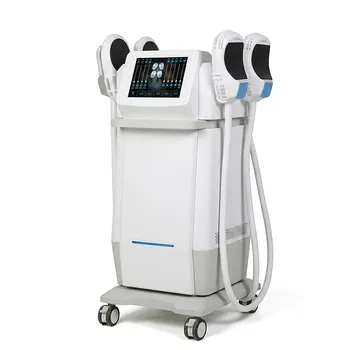
A diversified aesthetic practice is better positioned to withstand economic downturns. Practices that depend only on expensive surgical procedures typically face sharper revenue declines when patients postpone discretionary spending. Adding mid-level providers and non-surgical services—including laser treatments, microneedle RF, skin tightening, hair removal, and body contouring—creates more accessible offerings, increases treatment capacity, and supports recurring revenue.
The core protection comes from portfolio diversification: non-surgical services lower the entry price for patients, while trained nurse practitioners and physician assistants expand the practice’s ability to deliver those services efficiently.
Why Surgical-Only Practices Are More Vulnerable
High-cost procedures are easier to postpone
Surgical aesthetic treatments require a larger financial commitment and often involve more planning, recovery time, and financing considerations. During economic uncertainty, patients may delay these procedures even if their long-term interest remains strong.
When a practice relies heavily on surgery, postponed cases can create significant gaps in the revenue calendar.
Fixed costs continue during slow periods
Operating expenses such as facility costs, staffing, equipment financing, insurance, and administrative overhead do not decline as quickly as procedure volume. A lower number of surgical cases can therefore affect profitability disproportionately.
The issue is not merely reduced sales; it is reduced revenue against a relatively fixed cost base.
How Non-Surgical Services Stabilize Revenue
They create lower-commitment entry points
Laser hair removal, RF skin tightening, microneedle RF, and body contouring generally offer patients a less invasive way to begin treatment. These services can remain attractive to patients who are unwilling or unable to commit to surgery.
This broader price and treatment range helps the practice retain demand when patients become more selective.
They support repeat visits
Many non-surgical treatments are delivered through a series of sessions or periodic maintenance appointments. That structure can produce recurring revenue rather than relying on a small number of large, irregular transactions.
Recurring visits also give the practice more opportunities to maintain patient relationships and introduce complementary services.
They broaden the addressable patient base
Non-surgical treatments can appeal to patients who are not surgical candidates, are not ready for surgery, or prefer gradual improvements. This expands the practice beyond its highest-value surgical segment.
A broader patient base reduces dependence on a single treatment category or demographic.
How Mid-Level Providers Increase Capacity
They extend the clinical delivery model
Nurse practitioners and physician assistants can deliver selected energy-based treatments when properly trained, credentialed, and operating within applicable laws and practice protocols. Their involvement allows the physician to support a broader service portfolio without personally performing every treatment.
This can increase the number of appointments the practice can accommodate.
They improve physician utilization
Delegating appropriate non-surgical treatments allows physicians to focus their time on procedures that require their expertise, including consultations, surgical care, complex cases, and treatment planning.
The objective is not simply to reduce physician workload. It is to align each provider’s time with the services where that provider creates the greatest clinical and economic value.
They help absorb demand more effectively
If patient demand exists but appointment availability is limited, additional qualified providers can convert unused demand into completed treatments. This is particularly important for services that require repeat appointments and consistent follow-up.
Capacity expansion can therefore improve both revenue generation and patient access.
Why Laser and RF Platforms Can Support Resilience
Equipment can serve multiple treatment categories
A well-selected platform may support several non-surgical applications, such as hair removal, skin tightening, or body contouring, depending on the device and its approved use. This gives the practice more flexibility than investing in equipment tied to a single narrow service.
The economic benefit depends on actual utilization, not merely on owning the technology.
They create opportunities for treatment sequencing
Patients may begin with one concern and later pursue related services. For example, a practice may use an initial non-surgical consultation to identify additional appropriate treatments or maintenance needs.
This creates a structured pathway for retention without requiring every patient to start with a high-cost surgical procedure.
They can improve asset productivity
Equipment that is used across multiple providers and treatment categories has a better opportunity to generate revenue consistently. Mid-level provider involvement can increase the number of hours the platform is clinically active.
However, utilization must be measured against staffing, consumables, maintenance, financing, and treatment time.
The Revenue Protection Mechanism
A balanced portfolio reduces concentration risk
A practice with surgery, non-surgical treatments, and recurring maintenance services is less exposed to a decline in any one category. If surgical demand slows, lower-cost treatments may continue attracting patients.
This is the same basic principle as diversification in other businesses: reliance on fewer revenue sources creates greater vulnerability to changes in consumer behavior.
Accessible services preserve patient engagement
Economic fluctuations do not eliminate patient interest in aesthetic care; they often change the type, timing, and size of the purchase. Non-surgical services allow patients to remain active with the practice through more manageable treatment decisions.
Maintaining that engagement can make it easier to support future surgical consultations when financial conditions improve.
Capacity and recurring demand reinforce each other
Mid-level providers increase the practice’s ability to deliver treatments, while non-surgical services create repeat demand. Together, they support a model that is less dependent on occasional large transactions.
The result is greater scheduling flexibility and a more stable flow of appointments.
Understanding the Trade-offs
Delegation requires governance
Mid-level provider utilization must comply with applicable scope-of-practice laws, supervision requirements, credentialing standards, and facility policies. Delegation should be based on documented competency and appropriate clinical oversight.
A revenue strategy that compromises compliance or patient safety is not resilient.
Device acquisition can create financial pressure
Laser and RF systems require substantial capital and may involve financing, maintenance, consumables, training, and downtime. Purchasing equipment without a realistic demand and utilization plan can increase financial risk rather than reduce it.
The practice should evaluate expected appointment volume, reimbursement or cash-pay pricing, staffing requirements, and break-even timing before investing.
More capacity does not guarantee profitability
Adding providers or devices increases potential capacity, but not necessarily completed treatments. Marketing, patient conversion, scheduling efficiency, treatment outcomes, and retention all affect whether that capacity becomes revenue.
Unused appointment slots and underutilized equipment remain costs.
Clinical quality must remain consistent
Non-surgical services still require careful patient selection, informed consent, appropriate treatment parameters, and follow-up. Inconsistent outcomes can damage referrals, reviews, retention, and the broader practice brand.
Training and quality assurance are therefore part of the financial strategy, not separate administrative concerns.
How to Apply This to Your Practice
A resilient model begins with a balanced service portfolio and a disciplined operating plan.
- If your primary focus is revenue stability: Add non-surgical services that encourage repeat visits and reduce dependence on high-cost surgical cases.
- If your primary focus is capacity: Use appropriately trained mid-level providers to deliver eligible energy-based treatments while physicians concentrate on surgery, complex cases, and higher-level consultations.
- If your primary focus is equipment investment: Select laser or RF platforms based on documented patient demand, multi-service utility, projected utilization, and total ownership cost.
- If your primary focus is patient retention: Build treatment pathways that connect initial non-surgical care with maintenance visits and other appropriate services.
- If your primary focus is risk management: Establish clear credentialing, supervision, treatment protocols, outcome monitoring, and compliance processes before expanding delegation.
The most durable aesthetic practices are not defined by one profitable procedure; they are built around a diversified, clinically governed system that can adapt to changing patient budgets.
Summary Table:
| Key Element | Role in Revenue Protection | Implementation Considerations |
|---|---|---|
| Non-surgical services | Lower entry price, repeat visits, broader patient base | Select services based on demand and multi-utility; ensure recurring maintenance opportunities |
| Mid-level providers | Increase capacity, physician utilization, efficient delivery | Ensure legal scope, training, and supervision; delegate appropriately |
| Laser/RF platforms | Multi-purpose, treatment pathways, asset productivity | Evaluate utilization, costs, and break-even; align with demand |
| Service portfolio diversification | Reduces concentration risk, preserves engagement | Balance surgical/non-surgical; adapt to patient budgets |
Protect Your Practice's Revenue with Advanced Aesthetic Technology
Discover how BELIS aesthetic equipment can help you build a resilient practice. Our professional-grade laser systems, RF devices, and energy-based platforms allow you to offer a wide range of non-surgical services that attract new patients and retain existing ones. With our OEM/ODM support, international certifications, and reliable supply chain, we're your ideal partner for expanding your practice and stabilizing revenue.
Don't let economic fluctuations affect your bottom line — learn more about our solutions and get a free consultation today!
Related Products
- EMSlim Neo Nova Body Sculpting EMS Sculpting Machine
- RF Microneedling Machine Micro Needle Radio Frequency Machine
- RF Microneedling Machine Micro Needle Radio Frequency Machine
- IPL SHR+Radio frecuency machine
- Ultrasonic Cavitation Radiofrecuency Machine for Body Slimming
People Also Ask
- What anatomical mechanisms cause lower face and submental contour loss, and how do body sculpting and RF technologies address jowls and neck laxity? Discover the key causes and non-surgical solutions.
- How do the mid-infrared transmission spectra of fatty tissue and lipids assist in understanding selective targeting for body sculpting devices like cryolipolysis and RF cavitation? Mid-infrared spectra reveal lipid-specific markers, aiding tissue characterization.
- How should aesthetic clinics evaluate post-massive weight loss patients using tissue assessment techniques like the pinch test to determine suitability for non-invasive body sculpting devices versus surgical tissue excision? A Comprehensive Guide
- What are the VTE safety advantages of non-invasive body sculpting over surgery? Lower thromboembolic risk without general anesthesia
- What common soft tissue complications follow surgical fat extraction, and how do non-invasive body sculpting modalities eliminate these risks? Discover safer alternatives for your patients