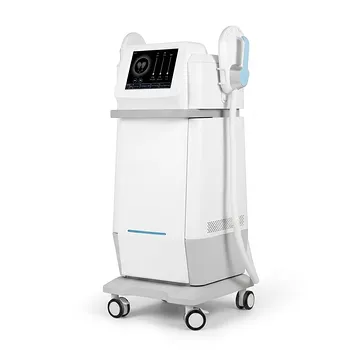
Combined RF, optical, and vacuum-suction devices generally perform best when treatment is guided by both immediate tissue endpoints and delayed cosmetic outcomes. The operator typically completes 4–6 passes until mild erythema, localized edema, and tolerable deep warmth appear, while longer-term endpoints include smoother skin and modest localized circumference reduction. Side effects are usually transient, but suction intensity, mechanical manipulation, treatment duration, and operator technique strongly influence bruising and discomfort.
The practical endpoint is controlled, tolerable heating—not maximal heat or suction. Mild erythema, localized edema, and deep warmth indicate an appropriate session endpoint, while excessive pain, prolonged heat, or significant bruising signals that technique or parameters should be adjusted.
What These Devices Are Designed to Achieve
Multimodal tissue interaction
Optical energy primarily provides superficial thermal stimulation, while RF energy heats deeper dermal and subcutaneous tissues. Vacuum suction stabilizes and elevates tissue within the handpiece while adding mechanical massage.
Together, these mechanisms are intended to support skin remodeling, cellulite improvement, tissue smoothing, and localized contour reduction. The modalities are complementary, but their combined use does not make aggressive treatment automatically more effective.
Primary clinical endpoints
The main cosmetic endpoints are:
- Improved skin smoothness and cellulite appearance
- Improved skin tightness and tone
- Modest reduction in localized circumference
- A tolerable, controlled tissue-heating response during treatment
The visible contour response may develop gradually rather than immediately. Supplementary evidence places some fat-volume changes approximately 3–8 weeks after treatment, while skin texture and firmness may evolve over the treatment course.
Expected treatment course
The reference protocol recommends 8–16 sessions performed twice weekly for optimal cosmetic improvement. Results should therefore be assessed across the treatment series rather than judged solely after the first session.
Objective measurements, standardized photographs, and patient-reported changes in texture or clothing fit are more useful than relying on a single circumference measurement.
How to Identify an Appropriate Treatment Endpoint
Mild erythema
The skin should generally develop mild, even erythema in the treated region. This indicates that the area has received meaningful thermal and mechanical stimulation.
Erythema that is intense, sharply demarcated, painful, or persistent should not be treated as a desirable endpoint. It warrants reassessment of energy delivery, handpiece movement, and patient tolerance.
Localized edema
Mild localized edema can occur as part of the expected tissue response to thermal energy, vacuum manipulation, and massage. It should remain limited and clinically tolerable.
Marked swelling, increasing tenderness, blistering, or other unexpected changes are not routine endpoints and should prompt clinical evaluation.
Subjective deep warmth
The patient should typically feel deep warmth without significant pain. According to the reference protocol, this sensation generally subsides within about two hours.
The patient’s feedback is essential because tissue response varies with body region, tissue thickness, sensitivity, and device configuration. A preset power level cannot replace continuous monitoring of comfort and skin response.
Handpiece motion and passes
The operator applies conductive fluid to support smooth handpiece movement, then uses firm pressure with approximately 4–6 passes over the target area.
Continuous movement is important. Holding the handpiece firmly in one location for more than four seconds may produce moderate localized discomfort and increases the risk of excessive focal heating or mechanical stress.
How the Three Components Influence Outcomes
RF heating
RF is intended to heat deeper tissue layers, supporting collagen contraction and remodeling and, at sufficiently controlled temperatures, thermal effects in subcutaneous adipose tissue.
The goal is controlled heating rather than tissue injury. RF parameters must therefore be selected with attention to the specific device, applicator, body region, and patient response.
Optical heating
Optical energy contributes more superficial thermal stimulation and may support immediate collagen contraction and later remodeling.
Its role is best understood as complementary to RF. Optical energy does not eliminate the need to monitor surface temperature, erythema, and patient comfort.
Vacuum suction and massage
Vacuum suction pulls and stabilizes tissue within the applicator while mechanically stimulating the treated area. It may also support superficial circulation and lymphatic movement.
However, suction is a major contributor to bruising risk, particularly when combined with vigorous mechanical manipulation or excessive treatment intensity.
Managing Common Side Effects
Bruising
Minor bruising lasting up to approximately one week occurs in about 10% of patients in the described protocol, particularly during the first 2–4 sessions.
Systems using more intense suction or mechanical manipulation may produce up to a 30% higher incidence of transient bruising than gentler mechanical systems. Bruising risk should therefore influence device selection, suction settings, pressure, and patient counseling.
Transient crusting
Transient crusting lasting less than 72 hours is also reported in approximately 10% of patients. This is not an endpoint to pursue; it is an adverse response that should be documented and managed conservatively.
If crusting is extensive, recurrent, or accompanied by significant pain or blistering, the treatment protocol should be reviewed before the next session.
Discomfort and excessive focal heating
Moderate localized discomfort can occur when the handpiece is held too long in one spot. The simplest preventive measure is to maintain continuous movement and avoid prolonged stationary pressure.
Patient feedback should lead to immediate adjustment of movement, pressure, suction, or energy delivery rather than encouraging the patient to tolerate escalating discomfort.
Warmth and post-treatment symptoms
Deep warmth usually subsides within approximately two hours. Patients should be told what level and duration of warmth is expected so they can distinguish a routine response from a symptom requiring follow-up.
Persistent or worsening pain, substantial swelling, blistering, or unusual skin changes should not be dismissed as normal post-treatment effects.
Understanding the Trade-offs
More intensity does not necessarily mean better results
Higher suction or stronger mechanical manipulation may increase tissue stimulation, but it can also increase bruising and discomfort. The appropriate balance is the lowest effective intensity that produces the desired controlled endpoint.
Likewise, aggressive thermal exposure may compromise tolerability and safety without reliably improving the final cosmetic result.
Immediate endpoints are not final outcomes
Erythema, edema, and warmth confirm an acute tissue response, but they do not independently prove fat reduction or durable remodeling. Final assessment should include delayed changes in texture, firmness, cellulite appearance, and circumference.
This distinction prevents both over-treatment after an apparently modest first response and premature claims of treatment failure.
Preset parameters are not universal prescriptions
The reference describes RF and optical settings of approximately 7–20 W and pulsed vacuum around 200 mbar for 100–300 milliseconds. These figures are protocol-specific starting points, not a substitute for the manufacturer’s instructions or individualized clinical judgment.
Different devices can produce different tissue effects at apparently similar settings. Parameters should be interpreted in the context of the specific system and applicator.
Patient selection affects the risk–benefit balance
Patients prone to bruising, highly sensitive to heat, or concerned about visible post-treatment marks may be better suited to gentler suction and mechanical settings.
The treatment should also be framed accurately: it is a non-invasive contouring and skin-remodeling procedure, not a replacement for overall weight management or an immediate substitute for surgical fat removal.
Making the Right Choice for Your Goal
The most reliable approach is to match the treatment intensity to the desired endpoint and the patient’s tolerance.
- If your primary focus is cellulite and skin smoothness: Use a structured treatment series and assess gradual texture improvement rather than relying only on immediate redness or warmth.
- If your primary focus is localized circumference reduction: Track standardized circumference measurements and photographs across the recommended 8–16-session course, recognizing that changes may be delayed.
- If your primary focus is minimizing bruising: Favor controlled suction and gentler mechanical manipulation, especially during the first 2–4 sessions.
- If your primary focus is patient comfort: Keep the handpiece moving, avoid holding it in one location for more than four seconds, and adjust treatment when warmth becomes painful.
- If your primary focus is safety and consistency: Use the expected endpoint of mild erythema, limited edema, and tolerable warmth while documenting any prolonged or unusual reaction.
Effective treatment is defined by controlled tissue response, measurable cosmetic progress, and disciplined management of heat and mechanical forces—not by using the highest available settings.
Summary Table:
| Aspect | Key Points |
|---|---|
| Treatment Endpoints | - Mild erythema, localized edema, deep warmth - 4-6 passes with continuous movement - Hold handpiece in one spot < 4 seconds |
| Expected Course | - 8-16 sessions, twice weekly - Results develop over weeks |
| Side Effects | - Bruising: ~10% incidence, lasts up to 1 week - Crusting: ~10%, < 72 hours - Risk increases with intense suction |
| Management | - Adjust suction/mechanical intensity - Maintain continuous handpiece movement - Monitor patient feedback |
| Key Trade-offs | - Higher intensity ≠ better results - Immediate endpoints ≠ final outcome - Preset parameters need individualization |
Ready to elevate your body contouring practice? At BELIS, we specialize in advanced aesthetic equipment tailored for clinics and premium salons. Our combined RF, optical, and vacuum-suction systems are designed for optimal treatment outcomes with minimal side effects. Benefit from our OEM/ODM support, international certifications, and reliable supply chain to grow your business. Enhance patient satisfaction and profitability — contact us today for a personalized consultation!
Related Products
- EMSlim Neo Nova Body Sculpting EMS Sculpting Machine
- Ultrasonic Cavitation Radiofrecuency Machine for Body Slimming
- EMS Body Sculpting Slimming Machine EMSlim Body Slimming Machine
- EMSlim Body Slimming Machine for Muscle Building and Beauty
- Cryolipolysis Fat Freezing Machine and Ultrasonic Cavitation Device
People Also Ask
- How do RF body sculpting devices target subcutaneous fat & tighten skin?
- What is the biological mechanism of action by which radiofrequency (RF) energy achieves body sculpting and cellulite reduction? Discover how controlled heating remodels collagen, influences fat, and smooths skin.
- What anatomical mechanisms cause lower face and submental contour loss, and how do body sculpting and RF technologies address jowls and neck laxity? Discover the key causes and non-surgical solutions.
- How can aesthetic practitioners accurately differentiate between muscular hypertrophy and subcutaneous fat accumulation when evaluating patients for calf or lower face contouring using body sculpting equipment?
- How does the cellular differentiation process of subcutaneous fat inform the mechanism of action behind non-invasive body sculpting equipment such as cryolipolysis and RF cavitation devices? Key insights for clinical practice