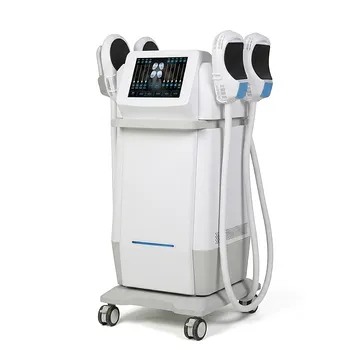
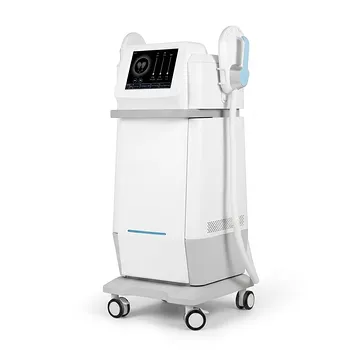
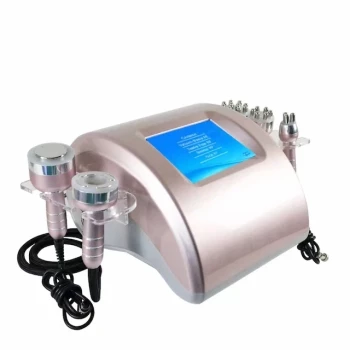
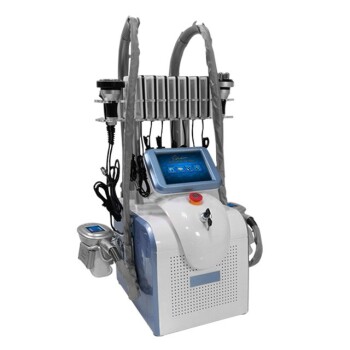
Clinics should evaluate energy-based equipment against its intended use, regulatory status, clinical evidence, and operational safety controls—not simply against the presence of a CE or FDA mark. Compared with permanent injectable biomaterials, non-invasive systems such as electromagnetic muscle stimulation, cryolipolysis, radiofrequency, microneedle RF, ultrasound, and laser devices avoid the specific long-term risks of implanted material, including migration, fragmentation, foreign-body reactions, and chronic sterile abscesses. However, they introduce different risks, including burns, nerve injury, pigmentary changes, ineffective treatment, and poor patient selection.
The central advantage of energy-based equipment is the absence of a permanent foreign material, not the absence of risk. Clinics should select systems with valid jurisdiction-specific authorization, credible clinical evidence for the exact indication, controlled energy delivery, trained operators, documented patient assessment, and ongoing post-market support.
Start With the Intended Clinical Use
Match the device to the indication
A device should be evaluated for the specific treatment the clinic intends to provide, such as localized fat reduction, muscle stimulation, skin tightening, resurfacing, or rejuvenation.
Regulatory authorization for one indication, body area, or treatment configuration does not automatically validate every marketing claim or clinical application. The clinic should confirm that the manufacturer’s labeling covers the proposed use.
Separate body contouring from skin rejuvenation
Body-sculpting technologies generally produce modest and gradual contour changes, while skin-rejuvenation devices may target texture, laxity, pigmentation, or collagen remodeling.
The safety assessment should therefore reflect the modality. Cryolipolysis requires evaluation of cold exposure and tissue response, while RF, laser, ultrasound, and microneedle systems require careful controls for heat, penetration depth, energy density, and treatment-area selection.
Verify Regulatory and Quality Standards
Confirm jurisdiction-specific authorization
Clinics should verify the device’s regulatory status with the relevant national authority. In the United States, this may include FDA 510(k) clearance based on substantial equivalence for applicable devices; in the European Union, CE marking under the applicable medical-device conformity framework indicates that the manufacturer has completed the required conformity process.
These marks are important baseline requirements, but they are not interchangeable. A device cleared or marked for sale in one jurisdiction may still require separate registration, licensing, or facility authorization elsewhere.
Check the exact regulatory documentation
The clinic should obtain and review the declaration of conformity, clearance or approval documentation, intended-use statement, contraindications, technical specifications, and user manual.
The documentation should correspond to the exact model being purchased. A general brand claim, reseller description, or certificate for a different device is not adequate evidence.
Assess the manufacturer’s quality system
A reputable manufacturer should demonstrate a controlled design, manufacturing, complaint-handling, and corrective-action process consistent with recognized medical-device quality management expectations.
Clinics should also confirm that the manufacturer maintains technical support, servicing procedures, software or firmware controls where relevant, and a process for communicating safety notices or recalls.
Evaluate the supply chain
Equipment should generally be purchased directly from the manufacturer or an authorized distributor. Unverified secondary-market equipment may have undocumented repairs, missing accessories, outdated software, or damage from improper storage conditions such as excessive humidity.
The clinic should preserve serial numbers, warranty records, service history, calibration records, and proof of authenticity.
Demand Evidence Beyond Compliance Markings
Treat CE or FDA status as a starting point
Regulatory conformity establishes a baseline for safety and market access; it does not guarantee that a treatment will deliver the clinic’s desired level of efficacy or patient satisfaction.
A clinic should not treat a compliance marking as a substitute for independent clinical evaluation.
Require indication-specific clinical studies
The strongest evidence is directly relevant to the device, treatment parameters, anatomical area, patient population, and outcome being considered.
Useful evidence includes peer-reviewed safety studies, controlled clinical trials where available, standardized outcome measures, follow-up data, and transparent reporting of adverse events. Marketing photographs without consistent measurement methods provide weak evidence.
Examine side-effect reporting
Manufacturers and clinical studies should describe expected adverse effects, their severity, duration, frequency, and management.
The clinic should understand both common short-term reactions and less frequent but serious complications. It should also confirm whether the manufacturer has a process for receiving complaints and reporting emerging safety signals.
Review technical and physicochemical information
For energy-based systems, the clinic should understand how the device measures and controls energy delivery, temperature, pulse duration, depth, cooling, impedance, or other relevant parameters.
Where a treatment involves consumables, coatings, needles, gels, or contact materials, the clinic should also review applicable material-safety and compatibility information rather than assuming that the non-invasive label removes all tissue or contact risks.
Assess Patient and Operator Safety
Confirm operator licensing and scope of practice
The clinic must determine whether local law permits its intended staff to operate the specific device and modality.
Licensing requirements may differ according to energy type, treatment depth, body area, and whether the procedure is considered medical practice. Manufacturer training cannot replace legally required professional qualifications.
Require hands-on training
Training should cover patient selection, contraindications, treatment parameters, emergency response, cleaning, maintenance, and adverse-event recognition.
This is particularly important for RF, laser, ultrasound, microneedle, and other systems capable of causing thermal injury, permanent skin changes, or deeper tissue damage when misused.
Build a patient-screening protocol
Before treatment, clinicians should assess medical history, medications, implanted devices where relevant, skin condition, tissue characteristics, pregnancy status where applicable, and expectations.
For body contouring, assessment should include localized fat distribution, skin turgor and elasticity, and overall health. Patients with obesity may not be appropriate candidates for modest non-invasive contouring and may require broader medical or surgical evaluation.
Use objective baseline measurements
Clinics should document baseline circumferences, skinfold thickness where appropriate, standardized clinical grading scales, and high-quality photographs.
Photographs should use consistent camera position, lighting, background, and treatment landmarks. Overall weight or BMI alone cannot reliably demonstrate localized contouring results.
Compare the Risk Profiles Properly
Permanent injectables create a lasting foreign-body risk
Permanent injectable materials can produce complications years after treatment, including material migration, gel fragmentation, foreign-body giant cell formation, chronic sterile abscesses, and tissue reactions that may require surgical removal.
The persistence of the material can make diagnosis and treatment more difficult because the source of the complication remains in the body.
Energy devices create exposure-related risks
Energy-based systems do not introduce a permanent implant, but they can injure tissue through excessive or poorly controlled exposure.
Potential problems include burns, pain, temporary or persistent sensory changes, scarring, pigmentary changes, paradoxical tissue responses, and ineffective treatment. The risk depends on the technology, parameters, patient characteristics, and operator technique.
“Non-invasive” does not mean risk-free
Some systems penetrate the skin or deliver energy to deeper tissue, and even surface-contact equipment can cause clinically significant injury.
The correct comparison is therefore reversible exposure risk versus permanent material risk, supported by evidence and appropriate controls. It is not “safe equipment versus unsafe injectables” in absolute terms.
Understanding the Trade-offs
Regulatory status does not prove clinical value
A device can meet market-entry requirements while producing results that are modest, inconsistent, or poorly suited to a clinic’s patient population.
Clinics should set evidence-based expectations and avoid purchasing equipment primarily because of novelty, aggressive marketing, or short-lived industry trends.
Results may be gradual and limited
Non-invasive fat reduction and skin tightening generally do not replicate surgical volume reduction or lifting.
Practitioners should explain the likely magnitude and timing of improvement, identify unsuitable candidates, and avoid presenting body contouring as a treatment for obesity or a replacement for comprehensive medical care.
Device performance depends on implementation
Even a well-designed system may perform poorly if staff are inadequately trained, maintenance is neglected, treatment parameters are inconsistent, or patient records are incomplete.
A clinic should evaluate the complete service model, including training, consumables, calibration, repairs, adverse-event support, and post-market communications.
Satisfaction targets require reliable measurement
Client satisfaction can be useful for monitoring service quality, but it should not replace clinical outcomes or adverse-event surveillance.
A high satisfaction rate is meaningful only when the clinic measures it consistently and considers whether patients received accurate information about expected results.
Making the Right Choice for Your Goal
The selection process should combine regulatory verification, evidence review, patient assessment, and operational readiness.
- If your primary focus is regulatory compliance: Confirm the device’s authorization for the exact indication and jurisdiction, then review its conformity, labeling, licensing, and manufacturer quality documentation.
- If your primary focus is patient safety: Prioritize controlled energy delivery, clear contraindications, hands-on training, maintenance support, adverse-event procedures, and documented post-market surveillance.
- If your primary focus is treatment efficacy: Require indication-specific clinical studies, peer-reviewed evidence, standardized outcome measures, and realistic results for the clinic’s patient population.
- If your primary focus is avoiding permanent injectable complications: Choose a properly authorized non-implant-based modality while recognizing that energy exposure still requires medical screening and skilled operation.
- If your primary focus is dependable practice performance: Select equipment from an authorized supply channel, establish consistent measurement and photography protocols, and monitor outcomes, complications, and patient satisfaction over time.
A sound decision favors the device with the strongest combination of authorization, evidence, controllability, training, and follow-up support for the intended clinical use.
Summary Table:
| Evaluation Area | Key Considerations |
|---|---|
| Indication | Match device to intended use, body area, and patient population |
| Regulatory Status | Verify FDA, CE, or other jurisdiction-specific authorization for the exact model |
| Clinical Evidence | Require indication-specific peer-reviewed studies and transparent adverse-event reporting |
| Operator Qualification | Ensure proper licensing, hands-on training, and emergency response competence |
| Patient Screening | Use medical history, physical assessment, and objective baseline measurements |
| Risk Profile | Compare non-invasive energy risks vs. permanent injectable foreign-body risks |
| Supply Chain | Purchase directly from manufacturer or authorized distributor, retain serial and service records |
| Quality System | Assess manufacturer's complaint handling, post-market surveillance, and technical support |
| Realistic Expectations | Communicate gradual results and contraindications, avoid overpromising |
At BELIS, we specialize in professional-grade medical aesthetic equipment designed for clinics and premium salons. Our portfolio includes advanced laser systems (Diode Hair Removal, Alexandrite, CO2 Fractional, Erbium, Nd:YAG, Pico), IPL, PDT, HIFU, Microneedle RF, body sculpting (EMSlim, Cryolipolysis, RF Cavitation), and more. We provide full regulatory documentation, clinical evidence, and hands-on training to ensure your clinic meets the highest safety standards. Whether you're a distributor seeking reliable OEM/ODM support or a clinic owner aiming to expand your services, our certified equipment and dedicated after-sales service help you grow with confidence. Contact us today to find the perfect solution for your practice — get in touch with our experts now!
Related Products
- EMSlim Neo Nova Body Sculpting EMS Sculpting Machine
- EMS Body Sculpting Machine for Body Slimming and Sculpting
- EMS Body Sculpting Slimming Machine EMSlim Body Slimming Machine
- EMSlim Body Sculpting Machine EMS Body Slimming Machine
- EMSlim Body Slimming Machine for Muscle Building and Beauty
People Also Ask
- How do RF body sculpting devices target subcutaneous fat & tighten skin?
- What is the biological mechanism of action by which radiofrequency (RF) energy achieves body sculpting and cellulite reduction? Discover how controlled heating remodels collagen, influences fat, and smooths skin.
- What anatomical mechanisms cause lower face and submental contour loss, and how do body sculpting and RF technologies address jowls and neck laxity? Discover the key causes and non-surgical solutions.
- How can aesthetic practitioners accurately differentiate between muscular hypertrophy and subcutaneous fat accumulation when evaluating patients for calf or lower face contouring using body sculpting equipment?
- How does radiofrequency (RF) operating frequency influence tissue selectivity and therapeutic outcomes in non-invasive RF body sculpting systems?