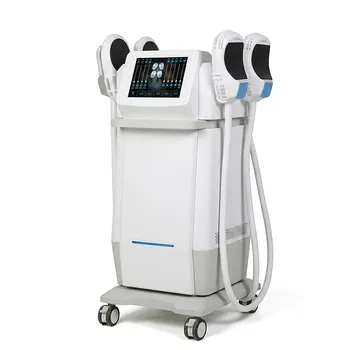
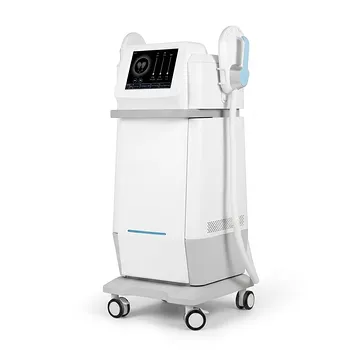
The clinical advantage is complementary action: combining radiofrequency (RF), infrared (IR) light, and mechanical vacuum massage allows a body-sculpting device to address several contributors to cellulite and localized contour irregularities at once. RF and IR provide controlled thermal stimulation to different tissue layers, while vacuum massage mobilizes tissue, supports circulation and lymphatic drainage, and helps smooth fibrous dimpling. The result can be improved skin texture, modest circumference reduction, and greater cellulite visibility improvement than a single-mechanism treatment alone.
The central benefit is not simply “more energy.” It is the coordinated use of thermal and mechanical effects to address tissue laxity, fibrous structures, fluid retention, and uneven surface texture within one treatment protocol.
Why Cellulite Requires More Than One Mechanism
Cellulite Has Multiple Contributing Factors
Cellulite appearance is influenced by fibrous connective-tissue bands, subcutaneous fat distribution, skin laxity, microcirculation, and interstitial fluid. A treatment that targets only one of these factors may produce incomplete or temporary improvement.
Thermal and Mechanical Effects Complement Each Other
RF and IR primarily modify tissue through controlled heating. Vacuum massage adds physical mobilization and tissue manipulation, creating a broader treatment effect than either thermal energy or massage used independently.
How RF and IR Contribute
RF Reaches Deeper Tissue Layers
Bipolar RF delivers electrical energy that generates heat in the dermal and subcutaneous tissues. The actual penetration depth depends on the device, applicator, tissue characteristics, and treatment settings, so it should not be assumed to be identical across platforms.
IR Provides Superficial Thermal Stimulation
IR light is absorbed by tissue components, including water, and can produce heating closer to the skin surface. This supports immediate collagen contraction and may stimulate longer-term collagen remodeling through fibroblast activity.
Heating Can Improve Tissue Texture
Controlled thermal exposure may soften or relax rigid fibrous structures and improve the appearance of lax skin. It can also support localized metabolic activity, but claims of substantial fat-cell destruction or permanent fat loss require device-specific clinical evidence.
What Vacuum Massage Adds
It Mobilizes Fibrous and Adipose Tissue
Negative pressure lifts tissue into the handpiece, while rollers or mechanical massage stretch and fold the treated area. This can temporarily reduce the visual effect of dimpling by mobilizing tissue and improving surface uniformity.
It Supports Microcirculation
Mechanical manipulation can increase localized blood flow and produce vasodilation. This may improve tissue perfusion during treatment and contribute to a smoother, more responsive treatment field.
It Encourages Lymphatic Drainage
Vacuum massage can assist the movement of interstitial fluid and reduce localized edema. This may contribute to short-term changes in circumference and tissue texture, although fluid reduction should not be confused with permanent fat loss.
The Clinical Advantage of Combining the Modalities
Different Tissue Layers Are Addressed Together
IR mainly contributes superficial thermal stimulation, while RF can heat deeper dermal and subcutaneous structures. Vacuum massage works mechanically across the treated tissue, helping address surface irregularity, tissue mobility, and fluid movement.
Energy Delivery May Become More Uniform
Vacuum suction stabilizes and draws tissue into contact with the applicator. This may improve coupling and consistency of energy delivery, but treatment uniformity still depends on correct technique, adequate skin contact, and appropriate device settings.
Several Visible Outcomes Can Be Targeted
The combined approach is intended to improve cellulite dimpling, skin firmness, tissue texture, and localized contour in a single protocol. These outcomes are related but distinct: smoother skin does not necessarily mean major reduction in underlying adipose volume.
Understanding the Trade-offs
Results Are Usually Modest and Gradual
Body-sculpting devices generally produce incremental aesthetic improvement rather than surgical-level contour change. Multiple sessions and maintenance treatments may be required, and outcomes vary with tissue composition, skin laxity, treatment parameters, and patient factors.
Circumference Reduction Can Reflect Fluid Changes
A reduced measurement after treatment may partly result from mobilized interstitial fluid and temporary tissue compression. Clinicians should distinguish this effect from durable reduction in adipose tissue.
More Energy Does Not Guarantee Better Results
Excessive RF or IR heating can increase discomfort and the risk of burns or unwanted tissue injury. Vacuum pressure that is too high may cause bruising, tenderness, or vascular irritation, making parameter control and patient selection essential.
Evidence Must Be Device-Specific
The clinical performance of one platform cannot automatically be attributed to every device using RF, IR, or vacuum massage. Meaningful evaluation should consider the exact wavelengths, RF configuration, treatment depth, vacuum mechanics, protocol, comparator, follow-up period, and documented adverse events.
Making the Right Choice for Your Goal
The best interpretation of the technology depends on the outcome being pursued.
- If your primary focus is cellulite reduction: Choose a protocol that combines controlled heating with mechanical tissue mobilization and lymphatic support, while expecting gradual improvement rather than complete elimination.
- If your primary focus is skin tightening: Give greater weight to the RF and IR thermal parameters, collagen-remodeling rationale, and evidence for sustained elasticity improvement.
- If your primary focus is temporary contour refinement: Consider the contribution of vacuum massage and fluid mobilization, but do not treat short-term circumference change as proof of permanent fat loss.
- If your primary focus is safety: Prioritize qualified clinical assessment, conservative energy and vacuum settings, appropriate contraindication screening, and device-specific clinical evidence.
Understanding the distinct role of each modality makes it easier to judge whether a combined body-sculpting treatment matches the outcome you actually want.
Summary Table:
| Modality | Primary Role | Key Benefits |
|---|---|---|
| RF | Deeper tissue heating | Collagen contraction, skin tightening, improved laxity |
| IR | Superficial heating | Immediate collagen contraction, texture improvement |
| Vacuum | Mechanical manipulation | Mobilizes tissue, enhances circulation, lymphatic drainage |
Ready to elevate your clinic's body sculpting offerings? Explore BELIS's advanced combined RF, IR, and vacuum devices, designed for professional-grade results. Contact us today to learn how our technology can set your practice apart and attract more clients.
Related Products
- EMSlim Neo Nova Body Sculpting EMS Sculpting Machine
- EMS Body Sculpting Slimming Machine EMSlim Body Slimming Machine
- EMSlim RG Laser Body Sculpting and Slimming Machine
- Ultrasonic Cavitation Machine Lipo Laser Device
- EMS Body Sculpting Machine for Body Slimming and Sculpting
People Also Ask
- What anatomical mechanisms cause lower face and submental contour loss, and how do body sculpting and RF technologies address jowls and neck laxity? Discover the key causes and non-surgical solutions.
- How do the mid-infrared transmission spectra of fatty tissue and lipids assist in understanding selective targeting for body sculpting devices like cryolipolysis and RF cavitation? Mid-infrared spectra reveal lipid-specific markers, aiding tissue characterization.
- How should aesthetic clinics evaluate post-massive weight loss patients using tissue assessment techniques like the pinch test to determine suitability for non-invasive body sculpting devices versus surgical tissue excision? A Comprehensive Guide
- What are the VTE safety advantages of non-invasive body sculpting over surgery? Lower thromboembolic risk without general anesthesia
- What physiological factors cause high volume loss in autologous fat transfers, and how do non-invasive body sculpting technologies circumvent these limitations?