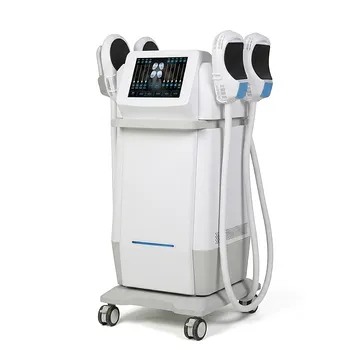
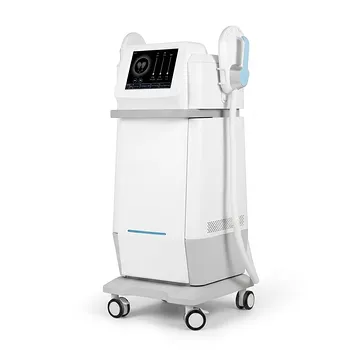
Ultrasound’s primary technical advantage is depth control: it can deposit acoustic energy beneath the skin at selected therapeutic depths while largely sparing the epidermal surface. Compared with superficial thermal treatments, this enables targeted stimulation of deep dermal, subcutaneous, or SMAS tissues for collagen remodeling, tissue contraction, and localized body contouring with less surface heating and typically little or no downtime.
Ultrasound separates the treatment zone from the skin surface. Its focused energy can create controlled thermal or mechanical effects at depth, reducing the need to heat the epidermis while supporting skin tightening and selected forms of body sculpting.
Why Ultrasound Can Reach Deeper Tissue More Precisely
Targeted subsurface energy deposition
Ultrasound transducers convert electrical energy into acoustic waves that travel through tissue. In focused systems, the energy is concentrated at defined focal points rather than distributed primarily across the skin surface.
This allows practitioners to target deep dermal layers, subcutaneous fat, or the SMAS region, depending on the device and treatment objective.
Reduced dependence on surface heating
Superficial thermal treatments primarily heat tissue near the skin surface. Increasing their energy to affect deeper structures can also increase epidermal heating and the risk of discomfort or thermal injury.
Ultrasound can deliver energy below the epidermis, allowing the surface to remain comparatively protected while the intended subsurface tissue receives the treatment effect.
Selectable treatment depths
Professional ultrasound systems use calibrated transducers designed for particular tissue depths. This depth selection helps match the treatment to the anatomical goal, such as superficial dermal tightening versus deeper tissue contraction or localized fat treatment.
The practical benefit is greater control over where the biological response is initiated, rather than relying on heat diffusion from the surface downward.
How Ultrasound Supports Skin Tightening
Controlled thermal coagulation
Focused ultrasound can produce small, localized zones of thermal coagulation in deeper tissue. These controlled thermal effects can cause immediate collagen contraction and initiate a longer-term remodeling response.
The objective is not to heat the entire skin surface, but to create a controlled treatment pattern at the selected depth.
Collagen remodeling beneath the epidermis
The thermal stimulus can encourage neocollagenesis, the formation of new collagen, during the subsequent remodeling process. This may improve tissue firmness and contribute to a lifting or tightening effect over time.
Because the epidermis is not the primary treatment target, ultrasound can address deeper structural support while minimizing surface disruption.
Thermomechanical treatment effects
Ultrasound may produce both thermal and mechanical effects, depending on the platform, frequency, intensity, pulsing pattern, and treatment design. This gives the technology more than one mechanism for influencing tissue.
The relevant mechanism should always be evaluated by device type. A focused HIFU system and an ultrasound cavitation system are not interchangeable, even though both use ultrasound energy.
How Ultrasound Supports Body Sculpting
Focused effects in subcutaneous fat
Certain ultrasound systems target localized adipose tissue beneath the skin. Acoustic energy may create thermal or mechanical stress within the treated tissue, supporting the disruption or reduction of selected fat deposits.
This makes ultrasound most relevant for localized contouring, rather than broad weight reduction.
Preservation of the skin surface
Because the acoustic energy can be directed below the epidermis, body-sculpting treatments can address subcutaneous tissue without requiring an incision or deliberately ablating the skin surface.
That is a significant technical distinction from approaches that depend on intense superficial heating to influence deeper structures.
Support for combined contouring goals
Some ultrasound platforms are designed to address both tissue tightening and localized contouring. In such cases, the treatment may aim to improve the appearance of lax skin while reducing the prominence of a small, localized adipose area.
These outcomes depend heavily on the specific system, treatment parameters, patient anatomy, and clinical selection.
The Main Advantages Over Superficial Thermal Treatments
Better separation between energy delivery and the epidermis
The central advantage is anatomical selectivity. Ultrasound can focus energy at depth, whereas superficial thermal approaches deliver their strongest heating closer to the skin surface.
This separation can reduce epidermal heat burden when the device is used correctly and appropriate treatment parameters are selected.
More direct access to structural tissue layers
Deep dermal and SMAS targeting allows ultrasound to address tissue layers associated with skin support and laxity. Superficial heating may improve surface-level tissue response but does not provide the same degree of focal access to deeper planes.
This makes ultrasound particularly useful when the treatment goal involves deeper contraction rather than only surface warming.
Lower surface disruption
Ultrasound treatments are externally applied and do not require surgical incisions. When properly administered, the epidermis remains intact, which generally supports rapid recovery and avoids the wound-healing demands associated with invasive procedures.
“Non-invasive” does not mean completely risk-free, however. Temporary tenderness, swelling, redness, or other treatment-related effects may still occur depending on the device and treatment area.
Controlled and repeatable energy delivery
Professional systems use calibrated transducers and defined energy settings to deliver treatment according to a planned depth and pattern. This is more controlled than applying heat broadly and relying on its diffusion through tissue.
Uniform delivery can improve treatment consistency, although actual results still depend on device quality, operator technique, tissue characteristics, and patient selection.
Understanding the Trade-offs
Ultrasound is not a substitute for major fat reduction
Non-invasive ultrasound body sculpting is generally better suited to small, localized adiposities and modest reshaping than to substantial volume reduction. It should not be presented as an equivalent to surgical fat removal for patients seeking major contour changes.
Different ultrasound technologies produce different effects
HIFU, focused ultrasound, cavitation, and mechanical ultrasound systems use different energy patterns and may target different tissues. Claims about one platform should not automatically be applied to every ultrasound device.
The treatment mechanism, depth, pulse structure, and intended endpoint must be verified for the specific equipment.
Deep targeting requires anatomical precision
The same depth precision that makes ultrasound valuable also creates a need for careful planning. Incorrect depth selection, excessive energy, poor coupling, or improper placement can reduce effectiveness or increase the risk of unwanted tissue effects.
Professional training and adherence to the manufacturer’s treatment parameters are essential.
Patient and device screening remain necessary
Some ultrasound applications require caution around metal prostheses or other implanted devices. A proper consultation should review medical history, treatment objectives, anatomical limitations, and the device’s contraindications before treatment.
Results are gradual and variable
Collagen remodeling and body-contouring changes may develop over time rather than appearing as an immediate dramatic transformation. Outcomes are also less predictable for extensive laxity or large-volume adipose reduction than they are for limited, well-defined treatment goals.
Making the Right Choice for Your Goal
The best modality depends on whether the priority is surface appearance, deep tissue tightening, localized contouring, or major volume reduction.
- If your primary focus is deep skin tightening: Choose a professionally calibrated focused-ultrasound system that can target the appropriate dermal or SMAS depth while sparing the epidermis.
- If your primary focus is localized body contouring: Consider ultrasound only for modest, localized adipose concerns, with realistic expectations about the degree of volume reduction.
- If your primary focus is minimal downtime: Ultrasound offers an external, non-surgical approach that typically avoids incisions and prolonged recovery, although temporary treatment effects remain possible.
- If your primary focus is treatment precision: Prioritize systems with defined transducer depths, controlled energy delivery, and trained operators rather than relying on the general label “ultrasound.”
- If your primary focus is major fat removal or dramatic reshaping: Superficial or non-invasive ultrasound is unlikely to replace an appropriate surgical or clinically indicated alternative.
Ultrasound is most valuable when the goal is controlled, depth-specific tissue treatment without making the epidermis the primary source of heat.
Summary Table:
| Advantage | Description |
|---|---|
| Targeted depth control | Focused acoustic energy reaches deep dermal, subcutaneous, or SMAS tissues without excessive surface heating. |
| Epidermal preservation | Energy is delivered below the surface, minimizing epidermal heat burden and reducing downtime. |
| Collagen remodeling | Controlled thermal coagulation stimulates new collagen production, improving firmness and lift. |
| Localized body sculpting | Subcutaneous fat can be targeted for modest contouring without incisions. |
| Repeatable, calibrated delivery | Professional systems ensure consistent treatment depth and energy patterns. |
Ready to upgrade your practice with advanced ultrasound technology? BELIS offers professional-grade HIFU and focused ultrasound systems designed for clinics and premium salons. Our devices provide precise depth control, minimal downtime, and superior patient satisfaction. For reliable supply, OEM/ODM support, and full certifications, partner with us. Contact us today to discuss your needs!
Related Products
- Ultrasonic Cavitation Machine Lipo Laser Device
- 7D 12D 4D HIFU Machine Device
- 4D 12D HIFU Machine Device for Skin Tightening and Lifting
- Ultrasonic Cavitation Radiofrecuency Machine for Body Slimming
- 4D 12D HIFU Machine Device for Skin Tightening
People Also Ask
- What are the clinical advantages and operational precautions associated with ultrasound cavitation technology in fat reduction equipment? Maximize Safety and Efficacy
- How do the physiological effects of acoustic cavitation and thermal stress on adipocytes explain the functional mechanism of non-invasive ultrasonic RF cavitation body sculpting equipment? | Key Insights
- Why are non-invasive RF skin tightening devices preferred over ablative laser resurfacing? Safe Operator Techniques
- How does patient age affect clinical outcomes and candidate selection for non-invasive radiofrequency (RF) skin tightening procedures? Age matters, but it's not the only criterion for success.
- How do non-invasive body sculpting technologies using RF and ultrasound address surgical fat reduction risks? Lower-risk body contouring with RF and ultrasound.