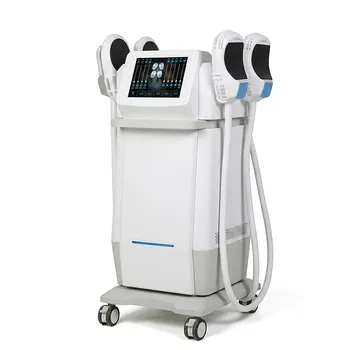
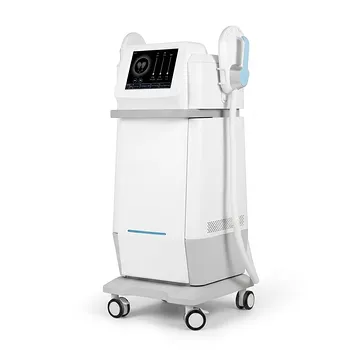
Non-invasive RF is often preferred because it heats the deeper dermis without removing the epidermis. Compared with ablative laser resurfacing, it generally causes less tissue disruption, requires little or no healing downtime, and has a lower risk of open-wound complications, scarring, and pigmentary changes. Its energy is also not primarily dependent on melanin absorption, making it a useful option across a broad range of skin tones—provided the device and treatment parameters are appropriate.
RF skin tightening offers dermal remodeling without deliberately vaporizing the skin surface. The safety advantage depends on disciplined operation: maintain consistent handpiece contact, use controlled energy delivery, monitor the tissue response, and follow the device manufacturer’s protocol.
Why RF Is Often Chosen for Skin Rejuvenation
It preserves the epidermal barrier
Ablative lasers intentionally vaporize portions of the epidermis. This can produce substantial resurfacing, but it also creates a healing wound with downtime and risks including infection, scarring, prolonged redness, and pigment alteration.
Non-invasive RF generally delivers heat beneath the surface while leaving the epidermis intact. Patients can therefore experience tightening and gradual wrinkle improvement without the prolonged recovery associated with fully ablative treatment.
It stimulates collagen remodeling
RF generates heat in the dermal tissue through high-frequency electrical energy. Controlled heating can contract existing collagen fibers and stimulate fibroblast activity, supporting longer-term collagen remodeling.
The result is typically gradual improvement in laxity, texture, and fine lines, rather than the immediate resurfacing effect produced by removing the outer skin layers.
It is less dependent on skin pigmentation
Unlike many laser systems, RF heating does not rely primarily on absorption by epidermal melanin. This reduces the risk that pigment will absorb excessive energy at the surface.
That makes RF a valuable option for patients with darker or more pigmentation-prone skin. However, “safe for all skin types” is not an unconditional guarantee; device selection, settings, cooling, technique, and patient factors still determine risk.
It can address deeper tissue
RF is commonly used to heat tissue below the epidermis, allowing treatment of the dermal structures associated with laxity. This differs from the primarily superficial resurfacing role of ablative lasers.
The depth and pattern of heating depend on the specific technology, such as monopolar, bipolar, multipolar, or fractional RF. Operators should not assume that every RF device reaches the same tissue plane or produces the same clinical effect.
How RF Produces Skin Tightening
Controlled thermal contraction
When dermal collagen is heated within the device’s intended treatment range, the existing fibers can contract. This may create an early tightening effect.
The tissue must be heated in a controlled manner. Excessive or prolonged heating can damage fat, connective tissue, or the skin surface rather than improving laxity.
Longer-term collagen formation
The controlled thermal response can activate a wound-healing and remodeling process. Over time, fibroblast activity and new collagen production may improve dermal thickness and elasticity.
This means RF results develop progressively and are not equivalent to the immediate removal of damaged surface skin achieved through ablative resurfacing.
Operator Techniques That Protect Patients
Maintain continuous, even handpiece contact
The operator should keep the treatment handpiece in consistent contact with the skin whenever the device requires contact-based energy delivery. Inadequate contact can concentrate energy at a small area or create an uneven thermal distribution.
This is especially important when coupling medium, pressure, or contact sensors are part of the system. The operator should follow the device’s specific contact requirements rather than lifting, rocking, or dragging the handpiece unpredictably.
Use controlled movement
The handpiece should be moved according to the manufacturer’s recommended pattern and speed. Repeatedly passing over the same area or pausing over bony prominences can create localized overheating.
Treatment grids or methodical patterns can help prevent missed areas and unintended overlap. Operators should document or otherwise track treated zones when the procedure requires multiple passes.
Select conservative, tissue-appropriate energy
RF settings should be based on the device protocol, treatment area, tissue thickness, patient characteristics, and the patient’s response during treatment. Higher power is not automatically associated with better tightening.
Controlled, lower-energy delivery helps reduce the risk of fat necrosis, excessive inflammation, scarring, and post-inflammatory color changes. The goal is therapeutic heating—not maximal heat.
Monitor the patient continuously
Patients should be asked about pain, burning, or unusual sensations throughout treatment. Visual inspection and, when provided by the device, temperature or impedance feedback should be used to identify unsafe conditions early.
A sudden increase in pain, abnormal skin whitening or darkening, blistering, or excessive heat requires immediate reassessment and may require stopping treatment in that area.
Use cooling correctly
If the device includes epidermal cooling, the operator should verify that cooling is functioning and applied as specified. Cooling protects the surface while allowing deeper tissue heating, but it does not make excessive energy or poor contact safe.
Cooling settings should not be improvised. Overcooling can reduce treatment consistency, while inadequate cooling can increase epidermal injury risk.
Prepare the skin and establish proper coupling
The skin should be clean and prepared according to the device instructions. Any required coupling medium must be applied evenly and maintained throughout treatment.
Poor coupling, surface contamination, or air gaps can interfere with energy delivery and increase the chance of uneven heating. Operators should also inspect the handpiece and cables before use.
Screen for contraindications and risk factors
A proper assessment should consider implanted electronic devices, metal or other implants near the treatment site, active skin disease, impaired sensation, pregnancy-related precautions where applicable, and medications or conditions that affect healing or sensation.
Patient selection and informed consent are safety measures, not administrative details. The patient should understand expected improvement, limitations, possible adverse effects, and the need to report delayed reactions.
Understanding the Trade-offs
RF is not a replacement for ablative resurfacing
Ablative lasers can produce stronger surface resurfacing and may be appropriate when the primary goal is substantial correction of photodamage, textural irregularity, or certain scars. Their greater effect comes with greater tissue injury and recovery requirements.
RF is generally better suited to patients prioritizing tightening, gradual collagen remodeling, and minimal interruption to daily activities.
Results are usually moderate and progressive
Non-invasive RF does not remove excess skin and cannot reproduce the results of surgical lifting. Improvement may be subtle, variable, and dependent on baseline laxity, treatment parameters, and the patient’s biological response.
Promises of dramatic or permanent lifting are not consistent with the typical role of non-invasive RF.
Pigment risk is reduced, not eliminated
Because RF is not primarily absorbed by melanin, it generally avoids one major mechanism of laser-related epidermal pigment injury. Nevertheless, any thermal or inflammatory procedure can potentially trigger post-inflammatory hyperpigmentation or hypopigmentation.
This is particularly relevant for patients with a history of pigmentary changes. Conservative settings, careful monitoring, and appropriate follow-up remain necessary.
Excessive heat can cause serious injury
RF is non-invasive in the sense that it does not require an open wound, but it is still a thermal procedure. Excessive energy, poor contact, slow movement, repeated passes, or inadequate cooling can cause burns or deeper tissue damage.
The central safety principle is controlled heat in the intended tissue plane. Non-invasive does not mean risk-free.
Device technologies are not interchangeable
Different RF systems vary in frequency, electrode arrangement, penetration pattern, cooling, feedback, and intended use. General claims about RF depth or effectiveness should therefore be treated cautiously.
Operators should rely on validated device instructions and training rather than transferring settings or techniques from one platform to another.
How to Apply This to Your Project
Choose the treatment approach according to the patient’s primary objective, skin characteristics, tolerance for downtime, and the clinician’s ability to control energy safely.
- If your primary focus is minimal downtime: Favor non-invasive RF when the goal is gradual tightening and collagen remodeling without an ablative wound.
- If your primary focus is darker or pigment-prone skin: Consider RF because it is not primarily dependent on melanin absorption, while still using conservative parameters and monitoring for pigmentary reactions.
- If your primary focus is resurfacing severe surface damage: Consider whether ablative laser treatment is justified, recognizing its greater downtime and higher wound-healing and pigment-related risks.
- If your primary focus is patient safety during RF: Maintain continuous handpiece contact, use controlled energy and movement, monitor patient feedback and tissue response, and follow the device-specific protocol precisely.
- If your primary focus is predictable clinical practice: Standardize patient screening, coupling, cooling, treatment passes, documentation, and follow-up rather than relying on power settings alone.
The safest RF treatment is not the hottest treatment—it is the one that delivers controlled, monitored energy to the intended tissue while preserving the skin surface.
Summary Table:
| Factor | Non-invasive RF | Ablative Laser Resurfacing |
|---|---|---|
| Epidermal injury | Minimal (preserved) | Intentional vaporization |
| Downtime | Little to none | Significant |
| Pigment risk | Lower (not melanin-dependent) | Higher |
| Treatment depth | Dermal heating | Superficial to mid-dermal |
| Results | Gradual collagen remodeling | Immediate resurfacing |
| Suitable for darker skin | Yes (with caution) | Higher risk |
Contact BELIS for Professional-Grade RF Solutions
Elevate your clinic or premium salon with BELIS's advanced RF skin tightening devices, designed for safety and efficacy across all skin types. Our portfolio includes cutting-edge RF platforms that ensure controlled, even heating for optimal results with minimal downtime. Trusted by professionals worldwide, BELIS offers CE-certified equipment, comprehensive training, and dedicated OEM/ODM support to help you grow your business and deliver superior patient satisfaction.
Contact us today for a free consultation and quote!
Related Products
- Ultrasonic Cavitation Radiofrecuency Machine for Body Slimming
- Ultrasonic Cavitation Machine Lipo Laser Device
- 4D 12D HIFU Machine Device for Skin Tightening and Lifting
- 4D 12D HIFU Machine Device for Skin Tightening
- 22D HIFU Machine Device Facial Machine
People Also Ask
- What are the pros and cons of the ultrasonic cavitation slimming treatment? A Guide to Painless Body Contouring
- Does an ultrasonic cavitation machine also tighten the skin? Achieve Total Body Contouring with RF Synergy
- How does radiofrequency technology in slimming machines promote fat reduction? The Science of Non-Invasive Sculpting
- How should one prepare for an ultrasonic cavitation appointment? 5 Essential Tips for Maximum Fat Loss Results
- What areas of the body are targeted for ultrasonic cavitation? Best Zones for Effective Body Contouring