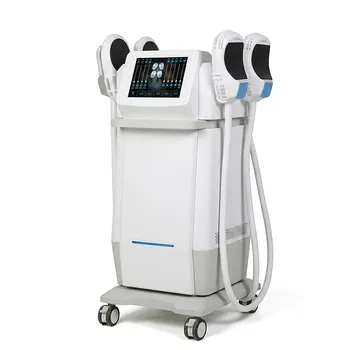
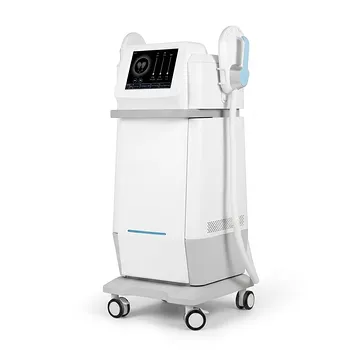
Non-invasive body sculpting reduces the trade-off between fat reduction and surgical recovery. Radiofrequency (RF) and external ultrasonic technologies deliver controlled energy through the skin to target localized adipose tissue and stimulate dermal and subdermal remodeling. Unlike liposuction or laser-assisted lipolysis, they do not require incisions, general anesthesia, or prolonged postoperative recovery, although their results are generally more modest and less predictable for large-volume fat removal.
The central advantage is risk reduction, not surgical-level fat extraction. RF and ultrasonic body sculpting are best suited to localized fat, mild-to-moderate skin laxity, and patients who prioritize minimal downtime over dramatic one-time volume reduction.
How Surgical Fat Reduction Creates Its Limitations
Recovery and anesthesia requirements
Liposuction and surgical laser-assisted lipolysis disrupt tissue through cannulas or subdermal fibers. They may require local or general anesthesia, postoperative compression, wound care, and recovery from bruising, swelling, and soreness.
Non-invasive systems preserve the skin barrier. Because there are no operative incisions, patients typically avoid surgical wound healing and can return to normal activities more quickly.
Contour irregularities
Surgical fat removal can produce uneven contours if fat is removed inconsistently or if the skin does not retract adequately. Weight fluctuations after treatment can also alter the remaining fat distribution and affect the final appearance.
External energy treatments generally reduce or remodel targeted areas without mechanically extracting large volumes of tissue. This can make the contouring process more gradual, but it does not eliminate the possibility of uneven results.
Residual skin laxity
Removing fat does not automatically tighten loose skin. Patients with reduced elasticity—particularly after major weight loss, pregnancy, or aging—may require additional surgical skin excision when laxity is substantial.
RF addresses this limitation by heating dermal and subdermal tissues in a controlled manner. The resulting collagen remodeling and tissue contraction may improve mild-to-moderate laxity alongside localized fat reduction.
How RF and Ultrasonic Energy Work
Radiofrequency targets tissue remodeling
RF devices convert electromagnetic energy into heat within the dermal and subdermal layers. Controlled heating can stimulate collagen remodeling, promote tissue contraction, and improve the appearance of lax or uneven skin.
RF is therefore not only a fat-reduction modality. Its principal value in many body-contouring applications is combining localized tissue heating with skin tightening.
Ultrasonic energy targets localized adipose tissue
External ultrasound transfers acoustic energy into subcutaneous tissue. Depending on the device and treatment parameters, this energy can create mechanical effects and localized heating that disrupt or alter targeted adipose tissue.
The resulting reduction is intended to occur without a cannula or incision. However, the clinical response is usually more appropriate for small, localized adiposities than for the large-volume fat removal achievable with surgery.
Combined treatment addresses two problems
Localized fat and skin laxity frequently occur together. Using ultrasonic energy for targeted adipose treatment and RF for tissue tightening can address both concerns without requiring a separate surgical lifting procedure in patients with limited laxity.
The combination does not replace abdominoplasty or extensive surgical contouring when there is severe excess skin or a need for major volume reduction.
Which Surgical Risks Are Reduced?
No surgical incisions
Non-invasive RF and external ultrasound do not break the skin. This reduces exposure to incision-related complications such as wound problems, scarring, and infection associated with invasive procedures.
Less postoperative morbidity
Patients generally experience less bruising, swelling, discomfort, and functional disruption than they would after liposuction or laser-assisted lipolysis. Recovery is typically shorter because tissue is not mechanically evacuated or surgically dissected.
Reduced anesthesia burden
Because the treatment is performed externally, it usually does not require the anesthesia used for surgical fat reduction. This can be important for patients who want to avoid anesthesia-related considerations, although suitability still depends on individual medical history.
Lower likelihood of secondary surgery for mild laxity
RF-induced collagen remodeling may improve mild-to-moderate laxity that would otherwise be left behind after fat removal. This can reduce the need to consider a secondary tightening procedure when the skin has some capacity to contract.
What These Technologies Cannot Replace
They do not remove large volumes of fat
Liposuction remains more effective when the objective is substantial, immediate fat removal. Non-invasive treatment is better understood as a contour refinement method rather than a substitute for major surgical debulking.
Results develop gradually
Surgical changes can be visible relatively quickly, whereas non-invasive treatments may require multiple sessions and time for tissue remodeling or the body’s clearance processes. The final outcome is therefore less immediate.
Skin tightening has biological limits
RF can stimulate collagen remodeling, but it cannot reliably correct severe skin excess. Significant laxity or overhanging tissue may still require surgical excision.
Weight stability remains important
Non-invasive contouring does not prevent future weight gain. Maintaining a relatively stable weight is important because changes in overall body mass can alter the treated and untreated areas.
Understanding the Trade-offs
Lower risk does not mean no risk
RF and ultrasound can cause excessive heating, discomfort, temporary swelling, pigmentary changes, or burns if energy delivery is poorly controlled. Ultrasound treatments may also present thermal risks in certain application configurations.
Practitioners must use appropriate equipment, treatment parameters, cooling or coupling methods where required, and continuous attention to tissue response.
Patient selection affects predictability
These technologies are most appropriate for patients with localized fat deposits, realistic expectations, and mild-to-moderate skin laxity. They are not designed for obesity treatment, major weight loss, or extensive redundant skin.
Metal and implanted devices require caution
Patients with metal prostheses or other implanted devices may require treatment-specific screening. The interaction between an energy-based device and an implant depends on the technology, treatment area, and manufacturer’s safety guidance.
Technique influences contour quality
Uneven energy distribution can contribute to inconsistent results. Practitioners must control treatment depth, temperature, coverage, and spacing rather than concentrating excessive energy in one area.
How to Apply This to a Treatment Decision
The right choice depends on whether the priority is dramatic volume removal, gradual refinement, skin tightening, or minimal disruption.
- If your primary focus is major fat-volume reduction: Surgical liposuction is generally more capable, but you must accept anesthesia, operative risks, recovery, and possible contour or skin-laxity complications.
- If your primary focus is localized contour refinement: RF and external ultrasonic treatments can provide a lower-downtime option for small, targeted adipose deposits.
- If your primary focus is mild-to-moderate skin laxity: RF is particularly relevant because controlled heating can stimulate collagen remodeling and tissue contraction.
- If your primary focus is avoiding incisions and anesthesia: Non-invasive treatment preserves the skin barrier and generally offers a shorter recovery pathway.
- If your primary focus is treating severe laxity or excess skin: Energy-based treatment may be insufficient, and a surgical consultation is more appropriate.
- If your primary focus is safety: Choose a qualified practitioner who screens for contraindications, verifies implant considerations, and uses validated equipment with strict thermal control.
Non-invasive RF and ultrasonic body sculpting offer a safer, lower-downtime path for selective contour improvement, but their benefits are greatest when expectations match their limits.
Summary Table:
| Aspect | Surgical Fat Reduction (Liposuction) | Non-Invasive RF & Ultrasound |
|---|---|---|
| Incisions | Yes, incisions required | No incisions, skin barrier preserved |
| Anesthesia | Local or general anesthesia | Usually none |
| Recovery | Longer, with bruising and swelling | Shorter, minimal downtime |
| Fat Removal | Large volumes possible | Modest, localized fat reduction |
| Skin Tightening | Limited, may require extra surgery | RF can improve mild-to-moderate laxity |
| Risks | Infection, contour irregularities, scarring | Usually lower, but can include burns if misused |
| Results | Immediate, more dramatic | Gradual, multiple sessions required |
Explore non-invasive body sculpting solutions that minimize risk and downtime. Contact BELIS today at [ContactForm] to learn how our advanced RF and ultrasound systems can enhance your clinic's offerings and patient satisfaction.
Related Products
- Ultrasonic Cavitation Machine Lipo Laser Device
- EMSlim Neo Nova Body Sculpting EMS Sculpting Machine
- EMS Body Sculpting Slimming Machine EMSlim Body Slimming Machine
- Ultrasonic Cavitation Radiofrecuency Machine for Body Slimming
- EMSlim RG Laser Body Sculpting and Slimming Machine
People Also Ask
- Why are non-invasive RF skin tightening devices preferred over ablative laser resurfacing? Safe Operator Techniques
- How does patient age affect clinical outcomes and candidate selection for non-invasive radiofrequency (RF) skin tightening procedures? Age matters, but it's not the only criterion for success.
- How does patient age influence the clinical efficacy of non-invasive radiofrequency (RF) skin tightening procedures? Key Insights for Optimal Outcomes
- What is the biological mechanism of RF and laser skin tightening? How do multi-energy combinations enhance clinical outcomes?
- How do RF skin tightening devices minimize PIH risk in skin of color? Safe Protocols & Device Selection