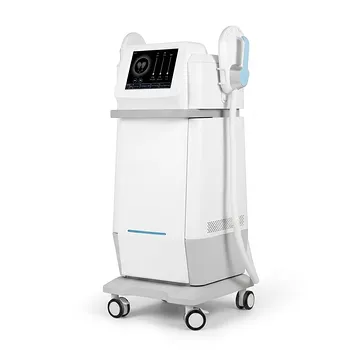
Non-invasive RF and laser body sculpting systems target cellulite by heating and remodeling the tissue beneath the skin. Cellulite involves more than excess fat: fibrous septae pull the dermis downward, fat lobules push upward, and impaired microcirculation, edema, tissue hypoxia, and skin laxity amplify the dimpling. RF and deep-penetrating mid-infrared laser systems deliver controlled thermal energy to the dermis and hypodermis, often with mechanical manipulation, to improve circulation, remodel connective tissue, alter fat contours, and tighten the skin.
Cellulite is a structural and microvascular problem, not simply a fat problem. Energy-based treatments improve its appearance by addressing several contributing mechanisms at once, although non-invasive treatment generally remodels rather than physically severs the underlying fibrous bands.
Why Cellulite Produces Visible Dimpling
Fibrous Septae Pull the Skin Downward
Fibrous septae are connective-tissue bands that extend between the dermis and deeper tissues. When these bands become rigid or shortened, they create downward traction on the skin surface.
This traction produces depressions that become more visible when surrounding fat lobules push upward.
Fat Lobules Push Toward the Dermis
Hypertrophic subcutaneous fat compartments can herniate toward the dermo-hypodermal junction. The combination of upward pressure from fat and downward tension from septae creates the uneven surface associated with cellulite.
Reducing the appearance of cellulite therefore requires more than reducing overall body fat. The tissue architecture and skin support must also be addressed.
Microcirculation and Tissue Fluid Add to the Problem
Cellulite is also associated with altered microvascular flow, interstitial fluid accumulation, increased tissue viscosity, and localized tissue hypoxia. These changes can increase tissue congestion and make the surface irregularities more apparent.
Improving local circulation and reducing fluid stasis can help create a smoother tissue environment, even though these effects do not independently eliminate the structural cause.
How RF Energy Acts on the Underlying Tissue
RF Produces Controlled Deep Heating
Radiofrequency systems use high-frequency electromagnetic energy to generate heat in targeted dermal and subcutaneous tissues. Monopolar, bipolar, and multipolar configurations differ in how the energy is delivered and distributed, but the intended clinical effect is controlled thermal stimulation.
Professional systems may heat the deep dermis, connective septae, and subcutaneous tissue, including areas near Camper’s fascia.
Heat Contracts and Remodels Collagen
Thermal exposure can produce immediate contraction of existing collagen fibers. It also initiates a longer remodeling process involving new collagen deposition and restructuring of dermal connective tissue.
Over time, stronger and more organized collagen support can improve skin firmness and reduce the visual contrast between raised and depressed areas.
RF Can Soften Rigid Connective Bands
RF does not mechanically cut the fibrous septae in the way surgical subcision does. Instead, heating may relax, soften, and remodel the connective tissue, reducing some of the downward tension that contributes to dimpling.
This distinction explains both the usefulness and the limitations of non-invasive treatment: the anatomy is influenced, but not directly released with a cutting instrument.
RF Influences Fat and Local Metabolism
Increased tissue temperature can raise local metabolic activity and promote fat mobilization within enlarged adipocytes. Some systems also aim to reduce the thickness or prominence of localized subcutaneous fat.
The relevant effect is contour modification in the treated area, not a substitute for general weight management or a guarantee of permanent fat-cell removal.
RF Improves Local Microcirculation
Thermal stimulation can increase local blood flow and microcirculatory activity. This may help reduce vascular congestion, tissue stasis, and some of the fluid-related contribution to uneven skin texture.
Improved circulation is one component of the treatment response, alongside collagen remodeling and tissue contraction.
How Laser Energy Acts on Cellulite
Deep-Penetrating Infrared Energy Reaches the Hypodermis
For cellulite treatment, the relevant laser approach is typically deep-penetrating mid-infrared energy rather than a superficial resurfacing laser. The goal is to deliver controlled heat into the dermis, subcutaneous fat, and fibrous connective structures.
This allows the treatment to address the depth at which septae, fat lobules, and dermal support interact.
Laser Heating Supports Connective-Tissue Remodeling
Like RF, controlled laser heating can stimulate collagen contraction and subsequent neocollagenesis. The resulting dermal tightening may improve the skin’s ability to cover and support irregular underlying contours.
This is particularly relevant when lax skin makes cellulite depressions more conspicuous.
Laser Energy Can Modify Local Fat Contours
Thermal and, depending on the system, mechanical effects can alter the organization and prominence of localized fat deposits. This may reduce the upward pressure of fat lobules at the dermo-hypodermal junction.
The degree of effect depends on the device, treatment protocol, tissue characteristics, and whether the treatment is combined with other modalities.
Mechanical Manipulation Can Reinforce the Effect
Some systems combine RF or infrared energy with vacuum, massage, or other mechanical manipulation. Mechanical action can temporarily mobilize tissue, support fluid movement, and increase contact between the applicator and treatment area.
It complements thermal treatment but should not be confused with surgical severing of the septae.
How These Effects Combine
The Treatment Addresses Multiple Mechanisms
The most meaningful rationale for RF and laser body sculpting is their combined effect on several cellulite mechanisms:
- Connective tissue: collagen contraction and remodeling may reduce skin laxity and septal tension.
- Fat contours: thermal stimulation may promote fat mobilization and reduce the prominence of localized fat.
- Microcirculation: increased local blood flow may reduce congestion and tissue stasis.
- Skin support: new collagen deposition can strengthen the dermal framework.
- Surface appearance: the combined changes can make depressions and undulations less visible.
No single mechanism fully explains the clinical result. Cellulite improvement generally reflects the interaction of these effects.
The Goal Is Smoother Appearance, Not Eradication
These systems are designed to reduce the visibility of cellulite and improve contour or skin firmness. They do not change the fact that the patient has normal subcutaneous fat architecture and connective-tissue anatomy.
A realistic endpoint is measurable or visible improvement, not guaranteed permanent removal.
Understanding the Trade-offs
Results Usually Require Multiple Sessions
Clinical protocols commonly involve a series of treatments rather than a single exposure. Reported improvement with multi-session RF regimens is often in the range of 25% to 50% in cellulite appearance, although outcomes vary by device, assessment method, treatment area, and patient.
Circumference reduction may also occur, but contour change and cellulite improvement are related yet distinct outcomes.
Benefits May Decline Over Time
Because non-invasive RF and laser systems generally remodel or relax septae rather than physically severing them, the underlying architecture remains. Clinical effects can diminish over approximately six months after treatment, making maintenance sessions useful for some patients.
The need for maintenance is a biological limitation of the treatment, not evidence that the initial treatment failed.
Thermal Energy Requires Careful Control
The desired response depends on controlled heating. Excessive or poorly delivered energy can increase the risk of pain, burns, pigmentary changes, or unwanted tissue injury, while insufficient energy may produce little benefit.
Device selection, applicator placement, temperature monitoring, patient selection, and practitioner technique materially affect safety and effectiveness.
Treatment Is Not the Same as Surgical Subcision
Surgical subcision uses a mechanical instrument to release selected fibrous bands directly. Non-invasive energy-based treatment does not provide that same physical release and may be less effective for deep, sharply tethered dimples.
Its advantages are the absence of incisions and generally lower downtime, but those advantages come with less direct structural correction.
Marketing Claims Need Careful Interpretation
Terms such as “fat breakdown,” “detoxification,” or “permanent cellulite removal” can overstate what the technology reliably achieves. The strongest physiological rationale is controlled tissue heating, collagen remodeling, improved local circulation, and contour modification.
Results should be evaluated using consistent clinical photography, measurements, and patient-reported improvement rather than circumference alone.
Making the Right Choice for Your Goal
The appropriate modality depends on whether the primary problem is tethered dimpling, lax skin, localized fullness, or a combination of these factors.
- If your primary focus is reducing visible dimpling: Choose a protocol that addresses the fibrous septae and dermal support through controlled deep heating, with realistic expectations that remodeling is gradual and may require maintenance.
- If your primary focus is tightening lax skin: Prioritize RF or infrared treatment designed to produce dermal collagen contraction and longer-term neocollagenesis.
- If your primary focus is localized contour reduction: Consider a system and treatment plan that combines thermal energy with appropriate fat-contouring methods, while recognizing that cellulite improvement is not identical to fat reduction.
- If your primary focus is minimizing downtime: Non-invasive treatment may offer a lower-recovery alternative to surgical subcision, but it generally provides less direct release of rigid connective bands.
- If your primary focus is durable correction of deep tethered depressions: Discuss whether a procedure that physically releases the septae is more appropriate than relying on non-invasive remodeling alone.
Understanding cellulite as a structural, vascular, and skin-support disorder makes it easier to judge RF and laser treatments by their real biological targets rather than by fat-reduction claims alone.
Summary Table:
| Mechanism | Pathophysiology Addressed | Clinical Effect |
|---|---|---|
| Controlled tissue heating | Fibrous septae rigidity, fat lobule herniation | Collagen contraction and remodeling, reduced dimpling |
| Collagen contraction and neocollagenesis | Dermal laxity, skin support | Firmer, smoother skin |
| Improved microcirculation | Impaired vascular flow, tissue hypoxia | Reduced congestion, enhanced tissue health |
| Fat mobilization | Hypertrophic subcutaneous fat | Contour modification, reduced fat prominence |
Elevate your cellulite treatments with BELIS's advanced RF and laser systems, engineered for professional clinics and premium salons. Our devices, such as the LIPOcel RF and LIPOcel Diode, are designed to target the root causes of cellulite—remodeling collagen, improving circulation, and contouring fat. With over 20 years of OEM/ODM experience, we provide customizable solutions, full certification, and reliable supply to help you achieve outstanding patient outcomes and grow your business. Ready to enhance your services? Contact us now to discuss your needs and discover the BELIS advantage. Contact us today to learn more!
Related Products
- EMSlim Neo Nova Body Sculpting EMS Sculpting Machine
- EMS Body Sculpting Machine for Body Slimming and Sculpting
- EMSlim Body Sculpting Machine EMS Body Slimming Machine
- EMS Body Sculpting Slimming Machine EMSlim Body Slimming Machine
- EMSlim RG Laser Body Sculpting and Slimming Machine
People Also Ask
- How do RF body sculpting devices target subcutaneous fat & tighten skin?
- What is the biological mechanism of action by which radiofrequency (RF) energy achieves body sculpting and cellulite reduction? Discover how controlled heating remodels collagen, influences fat, and smooths skin.
- What anatomical mechanisms cause lower face and submental contour loss, and how do body sculpting and RF technologies address jowls and neck laxity? Discover the key causes and non-surgical solutions.
- How can aesthetic practitioners accurately differentiate between muscular hypertrophy and subcutaneous fat accumulation when evaluating patients for calf or lower face contouring using body sculpting equipment?
- What are the primary fluid management and safety protocols required when performing large-volume fat removal in body sculpting treatments? Master the essential protocols for safe outcomes.