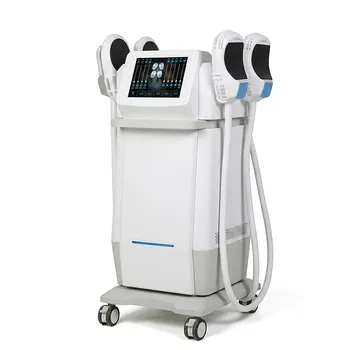
For vascular occlusion risk, HIFU and microneedle RF are fundamentally different from injectable fillers. Fillers can enter or compress an artery, potentially causing ischemia, skin necrosis, or—in rare cases—visual impairment. HIFU does not introduce material into tissue, and microneedle RF delivers energy through needles without injecting filler, so neither has the same material-related arterial embolization mechanism. However, these devices are not risk-free and must be used with appropriate anatomical knowledge and settings.
Injectable fillers carry a specific, potentially tissue-threatening vascular occlusion risk; HIFU and microneedle RF largely avoid that mechanism because they do not deposit volumizing material inside blood vessels. Their safety advantage is specific to vascular occlusion, not a guarantee of overall procedural safety.
Why Fillers Can Cause Vascular Occlusion
The mechanism of vascular compromise
A filler-related vascular event can occur when product is injected directly into a vessel or when deposited material compresses a nearby artery. Reduced blood flow deprives tissue of oxygen and nutrients.
The result may include pain, blanching, mottled discoloration, delayed capillary refill, skin necrosis, and tissue loss. In some anatomical locations, particularly around the nose, forehead, temples, and tear trough, vascular compromise may also threaten vision.
Why anatomical location matters
Facial arteries and their branches can lie close to common injection planes. High-risk structures include branches associated with the supraorbital, supratrochlear, and ophthalmic arterial systems.
Technique, injection pressure, cannula or needle choice, product properties, and local anatomy all influence risk. Even experienced injectors cannot reduce the risk to zero because vascular anatomy varies between individuals.
Emergency management is product-dependent
When hyaluronic acid filler is suspected to be causing vascular compromise, clinicians may use urgent measures such as hyaluronidase, massage, and other escalation protocols.
Hyaluronidase is relevant to hyaluronic acid filler. It does not dissolve every filler material, so the response options and prognosis depend on the product involved and the clinical situation.
How HIFU and Microneedle RF Differ
HIFU does not deposit material into tissue
High-Intensity Focused Ultrasound delivers focused acoustic energy to selected tissue depths. Depending on the system and indication, treatment may target the dermis or deeper connective tissue layers, including the SMAS region.
Because HIFU does not inject a physical substance, it does not create the same risk of filler entering an artery, embolizing, or mechanically blocking a vessel.
Microneedle RF is minimally invasive, not fully non-invasive
Microneedle RF uses small needles to reach the dermis and deliver controlled radiofrequency energy. The needles create localized thermal treatment zones, but the system does not inject a volumizing implant or filler into the tissue.
This means microneedle RF generally avoids filler-related vascular occlusion, but describing it as entirely non-invasive would be inaccurate. Needle penetration can still produce pinpoint bleeding, bruising, swelling, infection risk, burns, pigmentary changes, or—inappropriately selected settings—deeper tissue injury.
Energy produces a different biological effect
HIFU and RF aim to create controlled thermal effects that support collagen contraction and remodeling. The intended result is gradual tightening of the skin envelope rather than immediate replacement of lost facial volume.
This distinction matters because tightening lax tissue and restoring structural volume are different treatment goals. A device can reduce laxity without reproducing the volumizing effect of a filler.
What “Safer” Means in This Comparison
Lower risk of arterial embolization
For the specific question of vascular occlusion, energy-based devices have a clear mechanistic advantage. They do not place a material bolus near an artery that can enter the vessel or compress it.
This is particularly relevant when treating areas where filler injections require careful navigation around important vascular structures.
Different risks still require clinical control
Avoiding vascular occlusion does not make a device automatically safe. Excessive energy, incorrect treatment depth, poor coupling, inadequate cooling, or inappropriate patient selection can cause burns, nerve irritation, contour irregularities, fat loss, or prolonged inflammation.
Microneedle RF also involves skin penetration, so sterile technique and appropriate aftercare remain important.
Device safety depends on technique
Treatment parameters should match the device, anatomical region, skin type, treatment objective, and patient-specific risk factors. The operator must understand where nerves, vessels, fat compartments, and deeper structures are located.
A device marketed as “non-invasive” or “safe” still requires competent assessment and operation. Safety is a property of the complete procedure, not only the machine.
Understanding the Trade-offs
Tightening does not replace volume restoration
Facial aging involves both loss of skin elasticity and loss of structural volume. HIFU and microneedle RF primarily address laxity and collagen remodeling.
Fillers can restore volume in selected anatomical planes, but they carry vascular, inflammatory, infectious, and product-specific risks. Choosing between them should begin with the anatomical problem being treated, not only with the perceived safety profile.
Results differ in timing and predictability
Energy-based tightening usually produces a gradual remodeling response and may require multiple sessions or maintenance treatments. Results depend on baseline laxity, tissue quality, treatment settings, and individual healing.
Fillers can provide more immediate contour or volume changes, but the injection itself introduces the possibility of acute vascular complications and other placement-related problems.
“No occlusion risk” is too absolute
HIFU does not have the same arterial occlusion mechanism as injectable filler. Microneedle RF likewise does not normally cause filler embolization because it does not inject filler material.
The more accurate conclusion is that these modalities substantially avoid the specific risk of material-related vascular occlusion, while retaining other device- and procedure-related risks.
Combining modalities requires planning
Using energy-based tightening alongside fillers can address different layers of facial aging. However, sequencing, treatment depth, device settings, and injection timing should be planned by a qualified clinician.
Combining procedures does not cancel out the risks of either one. It may reduce the amount of filler needed in some cases, but any remaining injection still carries its inherent vascular risk.
Making the Right Choice for Your Goal
The appropriate modality depends on whether the primary problem is laxity, volume loss, or both.
- If your primary focus is reducing vascular occlusion risk: HIFU or microneedle RF avoids the filler-related mechanism of arterial embolization, although microneedle RF still carries risks from needle penetration and thermal injury.
- If your primary focus is skin laxity: Consider energy-based treatment because it targets collagen remodeling and tissue contraction rather than adding injectable volume.
- If your primary focus is replacing lost facial volume: Fillers may be more appropriate anatomically, but treatment should account for the potentially serious risk of vascular compromise and require an emergency management plan.
- If your primary focus is comprehensive rejuvenation: A carefully planned combination may address both laxity and volume loss while limiting unnecessary injection volume in sensitive regions.
For vascular occlusion specifically, HIFU and microneedle RF offer a meaningful mechanistic safety advantage over injectable fillers, but neither should be treated as risk-free.
Summary Table:
| Modality | Vascular Occlusion Risk | Key Mechanism | Other Risks |
|---|---|---|---|
| Injectable Fillers | High; can enter or compress arteries | Material injection into vessel or compression | Tissue necrosis, vision loss, product-dependent complications |
| HIFU | Very low; no material injection | Focused ultrasound energy; no embolization | Burns, nerve injury, fat loss (with improper use) |
| Microneedle RF | Low; no filler injection | Needles deliver RF energy; no material injection | Bruising, swelling, infection, burns, pigmentation changes |
Ensure your practice offers the safest, most advanced aesthetic treatments. At BELIS, we provide professional-grade HIFU and microneedle RF systems designed for clinics and premium salons, backed by comprehensive training and support. Our portfolio also includes laser, IPL, and body sculpting devices to meet all your patients' needs. Prioritize safety and efficacy — contact us today to learn how BELIS can elevate your cosmetic offerings.
Related Products
- 4D 12D HIFU Machine Device for Skin Tightening
- 12D HIFU Machine Device for Facial HIFU Treatment
- 7D 12D 4D HIFU Machine Device
- 4D 12D HIFU Machine Device for Skin Tightening and Lifting
- 22D HIFU Machine Device Facial Machine
People Also Ask
- How do non-invasive skin tightening devices such as HIFU and microneedle RF compare to surgical rhytidectomy for facial lifting? Discover the key differences in results, longevity, and recovery.
- What is the mechanism of action of High-Intensity Focused Ultrasound (HIFU) devices in noninvasive body sculpting, and how is surrounding tissue protected?
- How do non-invasive lifting devices like high-intensity focused ultrasound (HIFU) complement soft tissue fillers in treating lower face aging and pre-jowl sulcus depression? Discover the synergistic approach.
- What key clinical safety guidelines and contraindications must aesthetic practitioners observe when operating ultrasound skin tightening devices? Essential Safety Protocols for Clinics
- Why is it necessary to fill the transducer chamber with deionized water and PE film in HIFU devices? Key Safety Insights