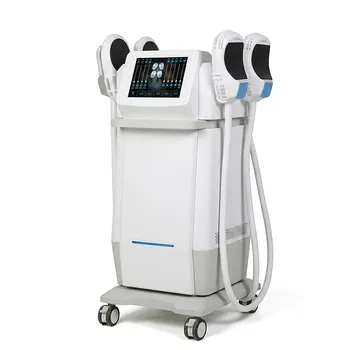
HIFU body sculpting works by concentrating ultrasound energy inside selected fat layers rather than heating the skin surface. The focused energy produces localized thermal and mechanical effects that damage targeted adipocytes, while the low energy density of the ultrasound beam as it passes through the skin helps preserve intervening tissue. The body then gradually clears cellular debris through normal physiological processes, while thermal effects can also stimulate collagen contraction and remodeling.
HIFU is best understood as a depth-controlled energy-delivery technique: tissue is affected primarily at the focal point, while the skin and structures along the beam path receive substantially less energy. Its safety depends on accurate targeting, appropriate treatment parameters, and avoiding vulnerable anatomy.
How HIFU Targets Subcutaneous Fat
Ultrasound Energy Passes Through the Skin
A HIFU transducer delivers acoustic energy through the skin using a coupling medium that helps transmit the ultrasound efficiently. The beam travels through superficial tissues at relatively low energy density compared with the focal zone.
Treatment cartridges or applicators are designed to target specific depths within subcutaneous tissue. Body-contouring systems may use focal depths such as 10 to 15 mm, although the appropriate depth depends on the device, treatment area, and tissue thickness.
Energy Concentrates at the Focal Point
The ultrasound waves are shaped so that they converge at a defined point beneath the skin. At this focus, acoustic energy is concentrated into a small treatment zone rather than being distributed uniformly across the entire beam path.
The resulting rise in temperature can create microscopic areas of thermal coagulation. Mechanical effects from the acoustic field may also contribute to cellular disruption, depending on the device’s operating parameters.
Adipocytes Are Locally Damaged
The focal treatment zones can cause adipocyte injury, including thermal necrosis and mechanical disruption. This reduces the number of viable fat cells in the treated area rather than simply dehydrating or temporarily shrinking them.
The affected cellular material is then processed and cleared gradually through the body’s normal inflammatory and metabolic pathways. The process is not an immediate removal of fat from the body, so visible contour changes generally develop over time.
How HIFU Can Tighten Tissue
Heat Causes Immediate Collagen Contraction
When focused ultrasound creates controlled thermal zones in connective tissue, collagen fibers can contract. This may produce an early tightening effect in treated tissue.
The response varies according to treatment depth, energy settings, skin laxity, and individual biology. HIFU is therefore a contouring and tightening treatment, not a substitute for surgical excision of substantial excess skin.
Remodeling Continues After Treatment
Controlled thermal injury can stimulate a wound-healing response that promotes collagen remodeling and, over time, new collagen formation. This may improve the firmness and appearance of skin over the following weeks or months.
Body-contouring systems primarily target subcutaneous fat, while some HIFU applications target deeper connective-tissue layers such as the SMAS. These are related but distinct treatment objectives, and the device’s approved indication determines which tissue layer is intended for treatment.
Why Surrounding Tissue Is Protected
The Beam Has Low Energy Density Before the Focus
The ultrasound beam crosses the epidermis and superficial dermis before reaching its target. Because the energy is not yet concentrated at those depths, the temperature rise in the overlying tissue is substantially lower than at the focal point.
This is the central physical principle behind HIFU’s noninvasive approach: the treatment effect is concentrated at depth without an incision or direct contact with the target tissue.
Focal Depth Controls Where Damage Occurs
The device’s transducer geometry and treatment cartridge determine the approximate focal depth. Selecting an appropriate depth helps place the treatment zones within the intended fat layer while limiting exposure to the skin surface.
Accurate placement is essential. If the focal point is too superficial, the epidermis or dermis may be injured; if it is too deep or poorly positioned, structures such as muscle, bone, nerves, or blood vessels may be exposed to inappropriate energy.
Blood Vessels and Nerves Are Avoided
HIFU does not make surrounding anatomy inherently immune to energy. Protection comes from controlled focusing, treatment planning, appropriate spacing of pulses, and avoiding areas where important structures lie within or near the focal zone.
Vessels and peripheral nerves outside the focal region generally receive less concentrated energy than the target. However, incorrect technique or unsuitable treatment parameters can still cause pain, burns, nerve symptoms, or other adverse effects.
Surface Monitoring and Coupling Support Safety
Proper coupling helps the acoustic energy enter the body consistently and reduces unwanted reflection at the skin surface. Depending on the device, clinicians may also use visual guidance, treatment grids, energy controls, and other monitoring procedures to maintain accurate delivery.
HIFU systems do not all have identical designs or safety features. The manufacturer’s instructions, approved treatment depth, applicator type, and operator training are therefore part of the protection mechanism.
What Happens After Fat-Cell Injury
The Body Clears Cellular Debris Gradually
After treatment, damaged adipocytes and their contents are handled through normal tissue-clearance mechanisms. The material is not necessarily transported intact as free triglyceride directly to the liver; it is processed through local inflammatory, lymphatic, and metabolic pathways.
This distinction matters because HIFU is not a mechanical fat-extraction procedure. It does not suction tissue out, and the final result depends on the extent of treatment and the body’s subsequent response.
Circumference Reduction Is Localized
Because the energy is focused on selected treatment zones, the intended result is localized contour improvement rather than general weight loss. HIFU is most appropriate for discrete fat deposits in patients whose expectations match the limitations of noninvasive treatment.
Measured circumference changes can occur, but results are variable and typically less dramatic than those produced by liposuction or surgery.
Understanding the Trade-offs
Noninvasive Does Not Mean Risk-Free
HIFU avoids incisions, but the treatment deliberately creates controlled injury below the skin. Temporary tenderness, swelling, bruising, redness, altered sensation, or discomfort can occur.
Rare but more serious complications may result from excessive energy, incorrect depth, poor coupling, repeated passes, or treatment over vulnerable structures. Proper patient selection and trained operation remain necessary.
Results Are Limited by Tissue Thickness and Laxity
A focal depth cannot safely treat fat that is absent, too thin, or located outside the device’s intended treatment plane. Treating inadequate tissue thickness can increase the risk of exposing skin, fascia, muscle, nerves, or bone to unwanted energy.
Likewise, HIFU cannot fully correct large fat volumes or significant skin excess. Surgical options may be more appropriate when substantial tissue removal or lifting is required.
Device Claims Must Be Interpreted Carefully
“HIFU” describes a technology category, not one standardized treatment. Devices differ in frequency, focal depth, energy level, pulse pattern, applicator design, and regulatory indications.
Claims about fat removal, collagen stimulation, or safety should therefore be evaluated against the specific device’s authorization, clinical evidence, treatment protocol, and operator qualifications.
How to Apply This to Your Goal
HIFU is most useful when the treatment objective and the device’s focal depth are carefully matched to the patient’s anatomy.
- If your primary focus is localized fat reduction: Choose a clinically appropriate body-contouring system and confirm that enough subcutaneous fat separates the focal zone from skin, muscle, bone, nerves, and major vessels.
- If your primary focus is skin tightening: Confirm that the device and applicator are intended to target the relevant connective-tissue layer, because fat-reduction and tightening protocols are not interchangeable.
- If your primary focus is minimizing complications: Use a qualified clinician who follows the device-specific protocol, verifies treatment depth, applies adequate coupling, and screens for contraindications and vulnerable anatomy.
- If your primary focus is dramatic contour change: Compare HIFU realistically with liposuction or surgery, since noninvasive treatment generally offers more limited and gradual results.
Understanding the focal physics, tissue depth, and operator-controlled safeguards is the key to evaluating HIFU body sculpting objectively.
Summary Table:
| Mechanism | Description |
|---|---|
| Energy delivery | Ultrasound passes through skin with low density, concentrating at focal point. |
| Fat targeting | Thermal and mechanical effects damage adipocytes at focal depth (e.g., 10-15 mm). |
| Tissue protection | Low energy before focus, controlled depth, and avoidance of critical structures. |
| Collagen effect | Heat induces immediate contraction and subsequent remodeling for tightening. |
| Clearance | Body clears damaged fat cells gradually; results appear over weeks. |
| Safety measures | Proper coupling, accurate depth selection, and trained operator. |
Looking to offer cutting-edge HIFU body sculpting in your clinic? BELIS provides professional-grade aesthetic equipment trusted by clinics and premium salons worldwide. Our advanced HIFU systems ensure precise, safe, and effective treatments, backed by comprehensive training and support. Contact us today to elevate your practice and meet your patients' body contouring needs with confidence. Get in touch!
Related Products
- 4D 12D HIFU Machine Device for Skin Tightening
- 7D 12D 4D HIFU Machine Device
- 22D HIFU Machine Device Facial Machine
- 4D 12D HIFU Machine Device for Skin Tightening and Lifting
- 12D HIFU Machine Device for Facial HIFU Treatment
People Also Ask
- How do non-invasive skin tightening devices such as HIFU and microneedle RF compare to surgical rhytidectomy for facial lifting? Discover the key differences in results, longevity, and recovery.
- What key clinical safety guidelines and contraindications must aesthetic practitioners observe when operating ultrasound skin tightening devices? Essential Safety Protocols for Clinics
- Why is it necessary to fill the transducer chamber with deionized water and PE film in HIFU devices? Key Safety Insights
- Why is a HIFU device essential for non-invasive facial lifting? Discover the Power of Deep SMAS Layer Targeting
- How does a HIFU device achieve deep tissue contraction? Master Non-Invasive Facial Lifting Technology