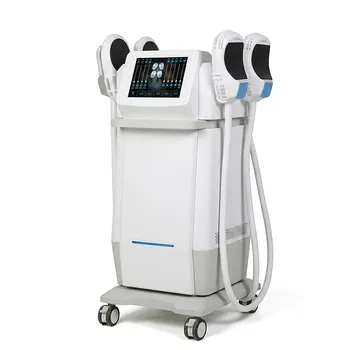
Clinical device educators are the link between acquiring aesthetic equipment and using it safely, consistently, and effectively. They provide hands-on training, explain device mechanics, teach treatment protocols, and show practitioners how to apply safety guidelines in daily practice. Their work helps clinics achieve more consistent outcomes, reduce operational risk, and improve patient satisfaction.
Aesthetic equipment performs only as well as the team operating it. Clinical device educators turn complex systems such as skin analyzers, Hydrafacial systems, laser platforms, and RF or cavitation devices into controlled, repeatable clinical processes.
Why Device Education Matters After Installation
Equipment capability does not guarantee clinical performance
A clinic may invest in advanced equipment, but the device cannot produce reliable results without knowledgeable operators. Staff must understand how settings, treatment techniques, patient characteristics, and procedural protocols interact.
Clinical device educators help translate technical capabilities into practical workflows that practitioners can use confidently.
New devices introduce operational complexity
Aesthetic systems often combine software, energy delivery, consumables, sensors, and specialized treatment handpieces. Educators explain how these elements work together and identify the operating principles that staff need to understand.
This is particularly important for high-tech systems such as laser and radiofrequency devices, where incorrect use can affect both treatment quality and patient safety.
How Educators Improve Treatment Consistency
They standardize treatment protocols
Clinical device educators train staff to follow appropriate protocols for consultation, preparation, device setup, treatment delivery, and aftercare. Standardization reduces variation between practitioners and across patient visits.
Consistent protocols also make it easier for clinics to evaluate results and identify when a treatment needs adjustment.
They connect device settings to patient needs
Training should help practitioners understand why a particular treatment approach or setting is appropriate for a given patient. This supports more deliberate decision-making than simply following a sequence of button presses.
Educators can also reinforce the importance of patient assessment, contraindication screening, and escalation when a case falls outside the team’s competence or the device’s intended use.
They provide hands-on practice
Technical information is most useful when staff can apply it under supervision. Demonstrations and practical exercises allow practitioners to become familiar with handpiece handling, treatment sequencing, controls, and expected device behavior.
This supervised experience helps identify gaps before staff use the equipment independently on patients.
How Educators Strengthen Patient and Staff Safety
They explain safety guidelines in clinical context
Safety instructions are easier to apply when staff understand the reason behind them. Educators clarify precautions related to patient selection, treatment areas, device settings, protective measures, and adverse responses.
They should reinforce the manufacturer’s instructions for use, the clinic’s policies, and applicable professional requirements rather than treating training as a substitute for those controls.
They prepare the wider clinical team
Safe equipment use is a team responsibility. Reception, nursing, aesthetic, and physician-support staff may all need to understand preparation, workflow, communication, cleaning, consumable handling, and escalation procedures.
Seminars and other educational resources can help the entire team understand how to support procedures involving laser, RF, and other advanced systems.
They improve response to unexpected events
Competent teams need to recognize when a treatment is not proceeding as expected. Educators can help staff identify abnormal device behavior, unexpected patient responses, and situations requiring the procedure to stop or a qualified clinician to intervene.
This reduces the likelihood that uncertainty will lead to delayed action or improvised equipment use.
How Education Supports Clinic Operations
It reduces avoidable operational risk
Many equipment problems arise from incorrect setup, unsuitable use, inadequate cleaning, or failure to follow the intended workflow. Clear training reduces these preventable errors and helps staff use the device within its designed parameters.
Educators can also clarify routine checks, documentation expectations, and the point at which technical support or maintenance is required.
It helps clinics build repeatable workflows
Training connects the device to the complete patient journey, from consultation through treatment and follow-up. This helps clinics create workflows that are efficient without sacrificing safety or clinical oversight.
A repeatable process also supports smoother cooperation between practitioners and the physician responsible for patient care.
It supports ongoing competency
One training session may be insufficient when a device is complex, used infrequently, or operated by a changing team. Refresher sessions, supervised assessments, and accessible educational materials help maintain competency over time.
Ongoing learning is especially valuable when the clinic introduces new indications, software updates, treatment protocols, or staff members.
How Education Affects Patient Satisfaction
Consistent results build confidence
Patients are more likely to trust a clinic when treatments are delivered in a controlled and professional manner. Consistency in consultation, treatment technique, communication, and aftercare contributes to a more predictable experience.
Clinical device educators support this consistency by aligning staff around shared procedures and expectations.
Clear communication improves the treatment experience
Well-trained staff can explain what the device does, what the patient may experience, and what follow-up care involves. This helps patients form realistic expectations and recognize when they should contact the clinic after treatment.
Education therefore affects more than device operation; it also improves the quality of patient-facing care.
Understanding the Trade-offs
Training quality depends on clinical relevance
A purely technical demonstration may show staff how to operate controls without teaching them how to make sound clinical decisions. Effective education must connect device mechanics with patient assessment, treatment protocols, safety requirements, and clinical judgment.
The strongest programs combine technical instruction with hands-on practice and scenario-based discussion.
Education does not eliminate clinical responsibility
Device educators can teach correct operation, but they do not replace qualified clinicians, medical oversight, or professional judgment. Practitioners remain responsible for assessing patients, selecting appropriate treatments, and responding to complications within their scope of practice.
Training should always be used alongside the manufacturer’s instructions, regulatory requirements, and the clinic’s governance procedures.
Overreliance on informal resources creates risk
Podcasts, seminars, and other educational resources can expand understanding of aesthetic procedures and equipment. However, general content may not address the exact device model, software version, patient population, or regulatory environment in a particular clinic.
Staff should verify device-specific information through authorized training and current documentation before changing clinical practice.
Training must be maintained as conditions change
Staff turnover, equipment upgrades, new treatment indications, and changes in clinic procedures can make previous training incomplete. Without reassessment, a team may gradually develop inconsistent practices.
Clinics should define who is authorized to operate each device and how competency is documented and renewed.
Making the Right Choice for Your Goal
Clinical device education is most effective when it is treated as an ongoing part of equipment ownership rather than a one-time installation service.
- If your primary focus is treatment consistency: Use hands-on, device-specific training to standardize protocols, settings, technique, and documentation across practitioners.
- If your primary focus is patient safety: Prioritize education covering contraindications, protective measures, adverse responses, escalation, and the manufacturer’s instructions for use.
- If your primary focus is operational efficiency: Train the full clinical team on preparation, equipment workflows, communication, cleaning, consumables, and maintenance escalation.
- If your primary focus is patient satisfaction: Ensure staff can explain treatments clearly, set realistic expectations, deliver consistent care, and provide appropriate aftercare guidance.
Clinical device educators maximize the value of aesthetic equipment by turning technical capability into competent, coordinated, and safer clinical practice.
Summary Table:
| Aspect | Role of Clinical Device Educators |
|---|---|
| Treatment Consistency | Standardize protocols, connect settings to patient needs, hands-on practice |
| Safety | Contextualize guidelines, prepare team, improve emergency response |
| Operations | Reduce risks, build repeatable workflows, support ongoing competency |
| Patient Satisfaction | Consistent results, clear communication |
Elevate your clinic's safety and consistency with BELIS's professional-grade aesthetic equipment. Our comprehensive training and support ensure your team excels. Contact us today to learn more about our laser, IPL, and body sculpting systems!
Related Products
- Trilaser Diode Hair Removal Machine for Beauty Clinic Use
- Tri Laser Diode Hair Removal Machine Professional Beauty Equipment
- Cryolipolysis Fat Freezing Machine and Ultrasonic Cavitation Device
- Clinic Use IPL SHR ND YAG Laser Hair Removal RF Skin Tightening Machine
- Clinic Use IPL and SHR Hair Removal Machine with Nd Yag Laser Tattoo Removal
People Also Ask
- Why is a 40-ms pulse width critical for Fitzpatrick skin types III-V? The Key to Safe & Effective Laser Hair Removal
- How can aesthetic practitioners prevent side effects like paradoxical hair regrowth and thermal burns when performing diode laser hair removal on dark skin? Master safe protocols for Fitzpatrick IV–VI skin.
- How do broad-spectrum noncoherent light sources compare to single-wavelength diode lasers in aesthetic hair removal applications? Find the best fit for your clinic.
- What are the advantages of the Constant Motion Technique? Elevate Your Clinic's Laser Hair Removal Results
- What is the clinical necessity of performing a patch test during the laser hair removal process? Ensuring Patient Safety