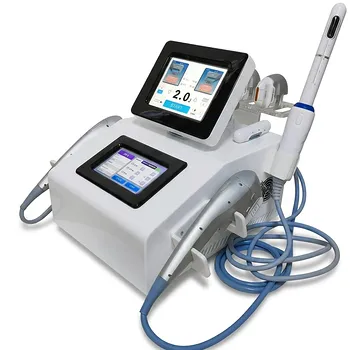
The recommended interval is approximately 45 days, or about 6 weeks, between diode laser hair-removal sessions. This timing generally improves efficacy by targeting more follicles during the active anagen growth phase, when they are most responsive to laser energy. Depending on the treatment area and individual regrowth pattern, a practical interval is usually 4–8 weeks, with facial areas often benefiting from roughly 45-day scheduling.
For maximum hair reduction, schedule diode laser treatments about 6 weeks apart—typically around 45 days—rather than repeating sessions too soon or waiting several months. The exact interval should be adjusted according to the treatment area and visible regrowth.
Why Treatment Timing Affects Hair Reduction
Laser energy works best during active growth
Diode laser hair removal is most effective when the hair follicle is in the anagen phase. During this stage, the follicle contains more of the pigment and structural connection needed to absorb laser energy and transfer heat effectively.
Not all follicles are active at the same time. Multiple sessions are therefore necessary to treat additional follicles as they enter the responsive growth phase.
A 45-day interval has demonstrated stronger results
Clinical evidence indicates that treatment at approximately 45-day intervals can produce substantially greater average hair reduction than longer schedules.
The reported comparison showed approximately 78% mean reduction at 45 days, compared with about 46% at 60 days and 29% at 90 days. These figures support maintaining a structured schedule rather than allowing long gaps between sessions.
The interval must allow normal shedding and regrowth
Treated hairs typically shed from the skin over approximately 7–10 days. This shedding should not be mistaken for immediate treatment failure or new growth.
The next session should be delayed until enough time has passed for a new group of follicles to become active. Scheduling treatments too close together can target relatively few responsive follicles.
How to Apply the Interval by Treatment Area
Facial areas
For the face and neck, an interval of approximately 45 days is commonly appropriate. These areas may require more sessions because of higher follicular density and, in some patients, hormonal influences.
Facial hair may also show more variable regrowth, so the visible return of substantial new growth is useful when confirming the next appointment.
Body areas
Body treatments are commonly spaced 6–8 weeks apart. This interval allows sufficient time for treated hairs to shed and for additional follicles to enter the active growth phase.
The correct schedule may vary between areas such as the legs, underarms, bikini region, and trunk.
Number of sessions
A single session is generally insufficient for lasting reduction because many follicles are in catagen or telogen phases during the initial treatment.
A typical initial course involves approximately 3–5 sessions, while many patients require 4–6 sessions for more substantial long-term reduction. Fine facial hair or hormonally influenced growth may require additional evaluation and treatment.
Understanding the Trade-offs
Treatments scheduled too closely together
Intervals shorter than approximately 4 weeks may reduce overall efficacy because fewer untreated follicles will have reached the active growth phase.
Repeating treatment prematurely can also increase irritation without producing proportional hair reduction.
Treatments delayed too long
Waiting more than 8 weeks may unnecessarily delay cumulative progress, particularly when significant regrowth is already present.
A 90-day interval may leave many opportunities to treat active follicles unused, which is consistent with the lower reduction reported at that schedule.
More sessions are not automatically better
Continuing indefinitely without assessing the response is not advisable. Excessive treatment—such as more than 6–7 sessions without clinical evaluation—may increase the risk of side effects including hyperpigmentation, blistering, or folliculitis without a corresponding improvement in clearance.
Individual factors affect the schedule
Skin tone, hair color, hair thickness, body area, hormonal status, and the laser system used all influence results. A qualified dermatologist or laser specialist should confirm the interval and treatment settings, particularly for darker skin tones or facial hair.
Making the Right Choice for Your Goal
The best schedule combines the evidence-based interval with the patient’s actual regrowth pattern.
- If your primary focus is maximum hair reduction: Schedule sessions approximately 45 days apart, provided the area has begun showing meaningful regrowth.
- If your primary focus is treating body hair: Use a general interval of 6–8 weeks, adjusting it according to the specific body area and response.
- If your primary focus is facial hair: Start with roughly 45-day intervals, while expecting that five or more sessions may be needed in some cases.
- If your primary focus is treatment safety: Avoid sessions less than 4 weeks apart and have a qualified professional reassess the plan if progress stalls or side effects develop.
A consistent, professionally tailored schedule of approximately six weeks gives each session the best opportunity to target follicles during their most treatment-responsive growth phase.
Summary Table:
| Interval | Mean Hair Reduction | Key Notes |
|---|---|---|
| 45 days (~6 weeks) | ~78% | Most effective; targets anagen phase |
| 60 days | ~46% | Less effective; longer gap reduces efficacy |
| 90 days | ~29% | Significantly lower; avoid if possible |
| Treatment Area | Recommended Interval | Notes |
|---|---|---|
| Facial | ~45 days | High density; may need 5+ sessions |
| Body | 6–8 weeks | Adjust per area; shedding period 7–10 days |
| Initial Course | Typical Sessions | Considerations |
|---|---|---|
| 3–5 sessions | 4–6 sessions | Individual factors; avoid >6–7 without review |
Ready to maximize diode laser hair removal results for your clinic or salon? At BELIS, we provide cutting-edge diode laser systems designed for professional-grade efficacy. Our expertise and support ensure you achieve optimal outcomes for your clients. Contact us today to learn about our advanced equipment and tailored solutions for your aesthetic practice. Get in touch!
Related Products
- 808nm Diode Laser Hair Removal Machine 755+808+1064nm Mixed Wavelength Professional Equipment
- 808nm Diode Laser Hair Removal Machine and Equipment with Picolaser Arm
- Clinic Diode Laser Hair Removal Machine with SHR and Trilaser Technology
- Tri Laser Diode Hair Removal Machine Professional Beauty Equipment
- Diode Tri Laser Hair Removal Machine for Clinic Use
People Also Ask
- How do 800/810 nm diode hair removal lasers compare to 1064 nm long-pulsed Nd:YAG lasers? Discover the Best for Your Patients
- How can aesthetic practitioners prevent side effects like paradoxical hair regrowth and thermal burns when performing diode laser hair removal on dark skin? Master safe protocols for Fitzpatrick IV–VI skin.
- How do broad-spectrum noncoherent light sources compare to single-wavelength diode lasers in aesthetic hair removal applications? Find the best fit for your clinic.
- Why is monitoring the revenue rate per hour per physician essential when deciding to invest in high-throughput aesthetic technology like diode hair removal lasers or multi-applicator body sculpting machines? Optimize your practice's profitability
- How should diode laser parameters be customized for darker skin? Safe settings for Fitzpatrick V–VI