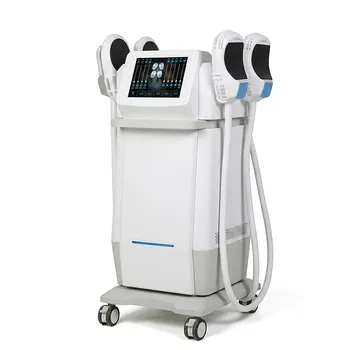
Red light LED therapy works primarily by stimulating mitochondrial activity, increasing cellular ATP production and supporting tissue repair. In aesthetic procedures, its main clinical application is post-procedure recovery: reducing inflammation, erythema, irritation, and discomfort while helping compromised tissue repair more efficiently. It is also used for broader skin rejuvenation, including support for collagen production and improved skin texture.
Red light LED therapy is best understood as a non-invasive adjunct to aesthetic treatment, particularly after procedures that cause controlled skin injury. Its central value is helping regulate inflammation and support cellular repair rather than replacing the primary procedure.
How Red Light LED Therapy Works
Light Reaches Cellular Targets
Professional red light devices commonly operate in the approximate 630–660 nm wavelength range. This light can interact with cytochrome c oxidase, a component of the mitochondrial electron transport chain.
Mitochondria use this stimulation to increase production of adenosine triphosphate, or ATP. ATP supplies the energy cells need for repair, protein synthesis, and other metabolic processes.
Increased Cellular Energy Supports Repair
Greater ATP availability can support the activity of cells involved in tissue recovery. This includes processes such as cellular maintenance, regeneration, and the restoration of tissue affected by microneedling, laser resurfacing, or surgical intervention.
The response is photobiomodulatory: the light is intended to influence cellular behavior without ablating or thermally destroying the skin.
Inflammation Is Regulated
Red light therapy may help moderate inflammatory signaling and reduce excessive post-treatment irritation. Clinically, this can present as less redness, swelling, and discomfort during recovery.
The goal is not to eliminate the normal inflammatory response entirely. Controlled inflammation is part of healing, so the therapeutic objective is better regulation of that response.
Fibroblast and Collagen Activity May Be Supported
Red light protocols can influence signaling pathways associated with fibroblast behavior and collagen biosynthesis. This may support tissue remodeling and contribute to improvements in skin resilience and texture over time.
These effects are generally gradual. LED therapy should therefore be viewed as a supportive component of a broader rejuvenation plan rather than an immediate replacement for resurfacing or tightening procedures.
The Primary Clinical Application
Post-Procedure Healing
The most direct aesthetic application is post-procedure tissue repair. Clinics may use red light LED therapy after procedures that create controlled tissue stress, including microneedling, ablative laser resurfacing, and surgical aesthetic treatments.
The treatment is especially useful when the clinical objective is to calm the skin while supporting the repair process.
Reducing Erythema and Irritation
After an aesthetic procedure, patients commonly experience temporary erythema, sensitivity, and inflammation. Red light phototherapy can be incorporated to help calm these effects and improve the patient's recovery experience.
This makes it a practical adjunct immediately after selected treatments, provided the protocol is compatible with the procedure and the patient's condition.
Supporting Wound and Tissue Recovery
LED phototherapy is also used in wound-repair and tissue-regeneration protocols. Its role is supportive: it may help create conditions that favor cellular repair, but it does not replace wound assessment, infection control, dressings, or other appropriate clinical care.
Skin Rejuvenation
Outside the immediate recovery period, red light therapy may be used to support skin rejuvenation. Repeated protocols can target overall skin quality, including the appearance of photodamage, uneven texture, and reduced elasticity.
The mechanism is associated with cellular energy, inflammatory regulation, and matrix remodeling rather than surface exfoliation.
How Other Wavelengths Complement Red Light
Near-Infrared Light for Deeper Tissue Support
Near-infrared wavelengths, commonly around 830–860 nm, penetrate more deeply than visible red light. They are associated with nitric oxide release, improved microcirculation, and growth-factor-related repair responses.
For this reason, near-infrared light may be selected when a protocol emphasizes deeper tissue recovery, edema reduction, or discomfort management.
Yellow Light for Matrix and Elasticity Goals
Yellow light protocols are described as influencing collagen type 1 expression and matrix metalloproteinase-1 activity. This makes them relevant to treatment plans focused more specifically on elasticity and skin-matrix degradation.
The appropriate wavelength depends on the intended biological target, device specifications, and the patient's treatment plan.
Blue Light for Different Dermatologic Objectives
Blue light acts through different cellular targets and is commonly selected for other dermatologic purposes. It should not be treated as interchangeable with red light when the primary objective is post-procedure repair.
Multi-wavelength equipment can expand clinical options, but it also increases the importance of selecting settings according to the treatment goal rather than using every wavelength indiscriminately.
Understanding the Trade-offs
It Is an Adjunct, Not a Standalone Procedure
LED therapy does not produce the same type of tissue remodeling as an ablative laser, surgical procedure, or other intensive aesthetic treatment. Its strongest role is usually complementary, particularly during recovery.
Expectations should reflect gradual biological support rather than dramatic immediate correction.
Results Depend on the Protocol
Clinical response depends on wavelength, irradiance, treatment duration, distance from the skin, treatment frequency, and the condition being addressed. A device label alone does not establish that every setting is appropriate for every procedure.
Professional protocols should therefore specify the device parameters and the timing relative to the primary treatment.
“Non-Thermal” Does Not Mean Risk-Free
LED phototherapy is generally well tolerated because it is designed to operate without ablating the skin or producing significant heat. However, claims that it is entirely side-effect-free or universally appropriate are too broad.
Clinicians should consider photosensitivity, medications, eye protection, active skin conditions, and the healing status of recently treated tissue. Manufacturer instructions and procedure-specific clinical judgment remain necessary.
Evidence and Outcomes Are Not Uniform
The biological mechanism is plausible and widely used in photobiomodulation, but patient outcomes can vary across devices and protocols. Improvements in redness or recovery may be more apparent and consistent than major structural rejuvenation.
Practitioners should assess results using realistic endpoints, documented protocols, and appropriate follow-up rather than relying on generalized marketing claims.
Making the Right Choice for Your Goal
The best use of red light LED equipment depends on whether the priority is recovery, symptom control, or longer-term skin quality.
- If your primary focus is post-procedure recovery: Use red light LED therapy as a complementary protocol to help regulate inflammation, reduce erythema, and support tissue repair after appropriate aesthetic procedures.
- If your primary focus is skin rejuvenation: Use repeated, parameter-controlled treatments as supportive care for gradual improvements in skin texture, elasticity, and overall appearance.
- If your primary focus is deeper tissue recovery or discomfort: Consider a protocol that incorporates near-infrared wavelengths when clinically appropriate, since these are intended to reach deeper tissue and support microcirculation.
- If your primary focus is operational efficiency: Select equipment with clear wavelength and dosing controls, straightforward operation, and protocols that trained clinical staff can administer under appropriate supervision.
Red light LED therapy is most valuable when its cellular effects are matched to a specific clinical objective and integrated thoughtfully with the primary aesthetic procedure.
Summary Table:
| Wavelength | Mechanism | Primary Use |
|---|---|---|
| 630–660 nm (red) | Mitochondrial stimulation, increased ATP, inflammation modulation | Post-procedure healing, reduce erythema, support collagen |
| 830–860 nm (near-infrared) | Nitric oxide release, improved microcirculation | Deeper tissue recovery, edema reduction |
| Yellow light | Collagen type 1 expression, MMP-1 activity | Skin elasticity, matrix degradation |
| Blue light | Different cellular targets | Dermatologic purposes (not for post-procedure repair) |
Enhance your clinic's recovery protocols with BELIS professional red light LED therapy devices. Our medical-grade equipment is designed for clinics and premium salons, offering precision wavelengths and customizable protocols to improve patient outcomes post-procedure. Explore our range of aesthetic lasers, IPL, and LED systems to elevate your practice. Contact our specialists today at #ContactForm to learn how BELIS can support your clinical success with advanced technology, training, and reliable supply.
Related Products
- 7D 12D 4D HIFU Machine Device
- EMSlim Neo Nova Body Sculpting EMS Sculpting Machine
- 12D HIFU Machine Device for Facial HIFU Treatment
- 4D 12D HIFU Machine Device for Skin Tightening
- 9D 7D HIFU Vaginal RF Lifting Treatment
People Also Ask
- What is the mechanism of action of High-Intensity Focused Ultrasound (HIFU) devices in noninvasive body sculpting, and how is surrounding tissue protected?
- What are the main functions of a High Intensity Focused Ultrasound (HIFU) machine? Advanced Skin Lifting and Sculpting
- Why is a HIFU device essential for non-invasive facial lifting? Discover the Power of Deep SMAS Layer Targeting
- How does a HIFU device achieve deep tissue contraction? Master Non-Invasive Facial Lifting Technology
- How do non-surgical skin tightening devices enhance tissue firmness? Discover the Power of HIFU & RF for Clinics