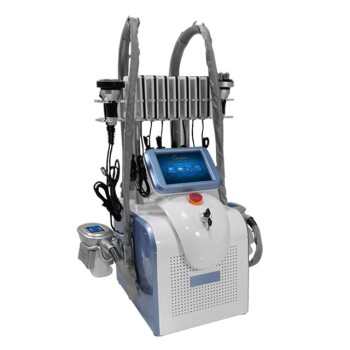
Low-level laser therapy (LLLT) functions primarily through photobiomodulation, using specific wavelengths of red or near-infrared light to re-energize dormant hair follicles. By stimulating mitochondrial activity and increasing local blood flow, these devices extend the growth phase (anagen) of the hair cycle and accelerate the transition from the resting phase (telogen), resulting in increased hair density and thickness.
LLLT acts as a biological "jumpstart" for miniaturizing follicles, converting light energy into cellular energy to restore the scalp's natural growth environment and prolong the hair's active life cycle.
The Biological Engine: Photobiomodulation
Converting Light to Cellular Energy
LLLT devices typically utilize laser diodes or LEDs emitting wavelengths between 650 and 900 nanometers. This light penetrates the scalp to reach the base of the hair follicle, where it is absorbed by chromophores within the mitochondria.
The absorption of this light energy stimulates the production of adenosine triphosphate (ATP). This increase in cellular energy fuels the metabolic processes necessary for hair regrowth and repair.
Stimulating Cell Proliferation
By boosting mitochondrial activity, LLLT promotes mitosis (cell division) in keratinocytes and fibroblasts. This process directly stimulates the proliferation of hair matrix cells, which are responsible for producing the hair shaft itself.
The enhanced cellular metabolism also supports increased protein synthesis. This ensures that the building blocks required for hair structure are readily available during the active growth phase.
Enhancing the Scalp Microenvironment
Vasodilation and Nutrient Delivery
One of the most critical secondary effects of LLLT is the induction of local vasodilation. The light energy encourages the expansion of blood vessels, significantly enhancing microcirculation around the hair follicles.
Improved blood flow ensures that oxygen and vital nutrients reach the follicle more efficiently. This nutrient-rich environment is essential for reversing the miniaturization of follicles typically seen in androgenetic alopecia.
Inflammation Reduction and Waste Removal
LLLT may help reduce perifollicular inflammation, a common factor that contributes to the progression of pattern hair loss. By calming the inflammatory response, the treatment allows follicles to return to their normal physiological size.
The increase in microcirculation also aids in the more efficient removal of metabolic waste products. This "cleansing" effect further optimizes the scalp environment for healthy hair production.
Modulating the Hair Growth Cycle
Prolonging the Anagen Phase
The primary goal of LLLT in treating androgenetic alopecia is the extension of the anagen (growth) phase. By providing a constant source of metabolic stimulation, the device helps keep the follicle in its active state for a longer duration.
This extension results in hair that grows longer and thicker before entering the resting phase. It effectively counters the shortening of the growth cycle caused by dihydrotestosterone (DHT).
Accelerating the Telogen-to-Anagen Transition
LLLT is highly effective at prompting follicles in the telogen (resting) phase to re-enter the anagen phase more quickly. This reduces the time a follicle remains dormant and unproductive.
By synchronizing the hair cycle and encouraging more follicles to grow simultaneously, LLLT leads to a measurable increase in hair density and total hair count over time.
Understanding the Trade-offs
The Requirement for Viable Follicles
LLLT is most effective when treating miniaturized follicles that are still capable of producing hair. If an area of the scalp has become completely bald and the follicles have been replaced by scar tissue (fibrosis), laser therapy will likely yield no results.
Consistency and Time Commitment
Unlike surgical interventions, LLLT requires a rigorous and long-term commitment to see results. Users must typically use the device multiple times per week for several months before noticing a significant change in hair density.
Variability in Individual Response
While many patients see success, the degree of regrowth varies significantly between individuals. Factors such as the underlying cause of hair loss, the stage of alopecia at the start of treatment, and genetic predispositions can all influence the final outcome.
How to Apply This to Your Hair Restoration Goal
LLLT is a powerful tool, but its effectiveness depends heavily on how it is integrated into a broader hair care strategy.
- If your primary focus is early-stage hair thinning: Start LLLT as soon as possible to preserve existing follicles and reverse early miniaturization.
- If your primary focus is maximizing regrowth: Use LLLT as a synergistic therapy alongside nanocarrier-based drug treatments or topical medications like Minoxidil to enhance drug absorption and efficacy.
- If your primary focus is post-surgical recovery: Use LLLT to improve local blood flow and support the healing of newly transplanted follicles under the guidance of your surgeon.
When used consistently and correctly, LLLT serves as a vital physical therapy that empowers the scalp to sustain a healthier, more robust hair growth cycle.
Summary Table:
| Key Mechanism | Biological Process | Clinical Benefit |
|---|---|---|
| Photobiomodulation | Stimulates mitochondrial ATP production | Re-energizes dormant follicles |
| Vasodilation | Increases local scalp microcirculation | Enhances nutrient & oxygen delivery |
| Phase Modulation | Prolongs the Anagen (growth) phase | Increases hair density & thickness |
| Inflammation Control | Reduces perifollicular inflammation | Reverses follicle miniaturization |
| Cell Proliferation | Boosts mitosis in hair matrix cells | Accelerates new hair shaft production |
Elevate Your Clinic with BELIS Hair Growth Solutions
At BELIS, we specialize in professional-grade medical aesthetic equipment designed exclusively for clinics and premium salons. Our advanced LLLT hair growth machines provide a non-invasive, scientifically proven method to treat androgenetic alopecia by revitalizing the scalp’s natural growth cycle.
By partnering with us, you gain access to a comprehensive portfolio of industry-leading technology:
- Advanced Laser Systems: Diode Hair Removal, Alexandrite, CO2 Fractional, Erbium, Nd:YAG, and Pico lasers.
- Skin & Facial Care: HIFU, Microneedle RF, Hydrafacial systems, and high-precision skin testers.
- Body Sculpting: EMSlim, Cryolipolysis, and RF Cavitation solutions.
Boost your service offerings and deliver superior results to your clients with our reliable, certified equipment. Contact BELIS today to find the perfect solution for your business!
References
- Pritam Kayal, Nagarjun Jawahar. NANOCARRIER-BASED APPROACHES FOR ENHANCED MANAGEMENT OF ANDROGENETIC ALOPECIA: ADVANCEMENTS AND FUTURE PROSPECTS. DOI: 10.22159/ijap.2025v17i3.53645
This article is also based on technical information from Belislaser Knowledge Base .
Related Products
- Multifunctional Laser Hair Growth Machine Device for Hair Growth
- Multifunctional Laser Hair Growth Machine Device for Hair Growth
- 22D HIFU Machine Device Facial Machine
- 7D 12D 4D HIFU Machine Device
- 12D HIFU Machine Device for Facial HIFU Treatment
People Also Ask
- Why do professional-grade laser hair growth devices integrate LCD displays? Achieve Clinical Precision in Every Session
- What is a typical treatment schedule when using a laser hair growth device? Maximize Results with the Proven Protocol
- How do professional-grade laser stimulation devices contribute to improving hairline morphology? Revitalize Growth & Symmetry
- For which conditions have laser hair growth treatment devices been approved? Targeted Solutions for Androgenic Alopecia
- How do the biological phases of the hair growth cycle inform the clinical application of specialized hair growth devices for treating androgenetic alopecia? Insights for Clinics & Salons