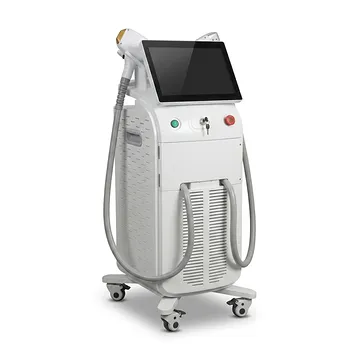
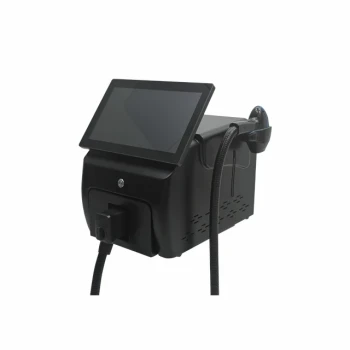
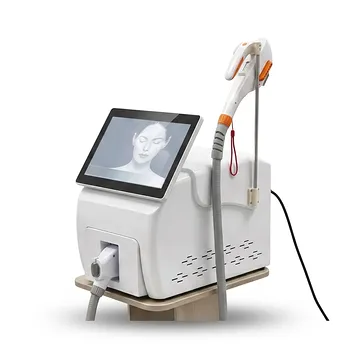
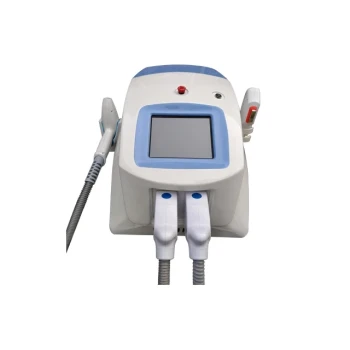
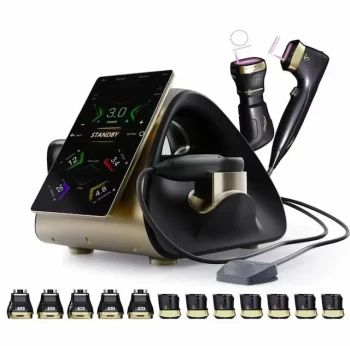
LLLT stimulates hair restoration mainly through photobiomodulation rather than heat. Red or near-infrared light is absorbed by cells in and around the hair follicle, where it may increase mitochondrial activity, influence follicle-cycle signaling, improve local microcirculation, and reduce low-grade inflammation. These combined effects can support the transition of miniaturized or resting follicles toward thicker, actively growing hair, although the complete mechanism remains under investigation.
Core takeaway: LLLT and laser hair-growth machines appear to work through several interacting pathways—not vasodilation alone. Light-driven cellular signaling, increased ATP production, follicle-cycle regulation, and improved tissue conditions may collectively help vulnerable follicles remain in the anagen, or growth, phase.
How Light Reaches and Stimulates the Follicle
Photobiomodulation is the central process
LLLT uses low-intensity red or near-infrared light, commonly in the approximate 600–1,000 nm range. These wavelengths can penetrate scalp tissue sufficiently to interact with cells in the follicular microenvironment.
The effect is considered photobiomodulation: light changes cellular behavior without intentionally ablating tissue or producing the high temperatures associated with surgical lasers.
Cellular targets absorb the light
Light energy may be absorbed by components of the mitochondrial respiratory chain, including cytochrome c oxidase. This can influence how follicular cells produce and use energy.
The exact biological sequence is not fully established, so these mechanisms should be viewed as plausible and overlapping pathways rather than a single proven chain of events.
The Main Physiological Mechanisms
Increased mitochondrial activity and ATP production
One proposed mechanism is greater mitochondrial activity within follicular and hair-matrix cells. This may increase production of adenosine triphosphate, or ATP, the cell’s primary usable energy source.
Higher cellular energy availability can support processes required for hair production, including cell division, protein synthesis, and maintenance of the growing hair shaft.
Regulation of the hair-growth cycle
Hair follicles move through anagen, the active growth phase; catagen, the regression phase; and telogen, the resting phase. LLLT may encourage some follicles to move from telogen toward anagen and may help prolong the anagen phase.
This does not create new follicles. Instead, the intended effect is to improve the activity and output of follicles that remain biologically capable of producing hair.
Support for follicular cell proliferation
Hair production depends on the activity of matrix cells and other specialized cells around the follicle. Photobiomodulation may stimulate signaling that supports their proliferation and function.
Some proposed models also involve follicular stem-cell populations, including cells associated with the follicle bulge and dermal papilla. The practical goal is greater production of a hair shaft, not simply increased scalp blood flow.
Vasodilation and improved microcirculation
Light exposure may promote nitric oxide-related vascular relaxation, allowing small blood vessels near the treatment area to dilate. This can improve local microcirculation and potentially increase delivery of oxygen and nutrients to follicular tissue.
However, vasodilation should not be treated as the sole or definitively established mechanism. Improved blood flow may support follicle function, but hair restoration also depends on direct cellular signaling and the underlying cause of hair loss.
Angiogenesis and tissue support
Some proposed mechanisms include angiogenesis, or the development of small new blood vessels, within the local tissue environment. Better vascular support could help sustain metabolically active follicles.
The strength and clinical importance of this effect may vary by device, dose, treatment schedule, and individual patient. It should not be assumed that every device produces meaningful new-vessel formation.
Possible anti-inflammatory effects
Chronic, low-grade perifollicular inflammation may contribute to an unfavorable environment for some thinning follicles. LLLT may influence inflammatory signaling and reduce aspects of this local tissue stress.
This is a supportive mechanism, not a substitute for diagnosing inflammatory scalp disease or other medical causes of hair loss.
Potential influence on miniaturized hairs
In pattern hair loss, susceptible follicles can gradually produce finer, shorter, less pigmented hairs. This process is commonly called follicular miniaturization.
By improving cellular activity and the follicle’s growth environment, LLLT may help some miniaturized follicles produce thicker shafts. The extent of this response depends on whether the follicle is still viable and on the cause and duration of the hair loss.
Why Wavelength, Dose, and Consistency Matter
Red and near-infrared light are used for tissue penetration
Hair-growth devices generally use monochromatic red or near-infrared light within a tissue-penetrating optical range. Wavelength alone, however, does not determine treatment quality.
Irradiance, energy dose, treatment duration, device coverage, and distance from the scalp all affect how much usable light reaches the follicle.
More light is not automatically better
LLLT is intended to use a low, non-destructive dose. Excessive intensity or exposure does not guarantee better results and may reduce the intended photobiomodulatory response.
A device’s specifications and treatment protocol therefore matter as much as its label, such as “laser,” “LED,” or “low-level light.”
Repeated treatment is typically necessary
Hair follicles operate on a slow biological cycle, so any response generally requires consistent treatment over time. A single session cannot reliably restart or visibly thicken hair immediately.
Treatment schedules should follow the device’s instructions and be evaluated against objective measures such as standardized photographs or hair-density assessments.
Understanding the Trade-offs
LLLT does not address every cause of hair loss
LLLT is most relevant to conditions involving viable follicles, particularly forms of pattern hair loss. It may be less useful when follicles have been permanently destroyed by scarring alopecia or when hair shedding is caused by an untreated systemic problem.
A clinical diagnosis remains important before choosing a device.
The mechanism and response are not fully predictable
Although mitochondrial stimulation, follicle-cycle modulation, vascular effects, and anti-inflammatory signaling are biologically plausible, scientists do not consider the complete mechanism settled.
Individual responses vary, and improvement should not be assumed simply because a device emits red light.
It may require combination treatment
LLLT can be used as a standalone approach or as part of a broader hair-loss plan. Depending on the diagnosis, clinicians may also consider topical treatments, 5α-reductase inhibitors, or other therapies.
Combining treatments should be medically supervised because suitability, contraindications, and expected benefits differ between patients.
Device terminology can be misleading
“Laser hair-growth machine” and “LLLT device” are often used broadly. Some systems use lasers, some use LEDs, and some combine light sources.
The relevant questions are the delivered wavelength, dose, scalp coverage, safety controls, and evidence for the specific device—not the marketing term alone.
How to Apply This to Your Hair-Restoration Goal
The most reliable approach is to match the light-based treatment to a confirmed diagnosis and a realistic biological objective.
- If your primary focus is improving pattern hair loss: Use LLLT as a potential follicle-supportive treatment, while recognizing that results depend on follicle viability, consistent use, and the broader treatment plan.
- If your primary focus is understanding the mechanism: Focus on photobiomodulation, ATP-related mitochondrial activity, hair-cycle regulation, and local vascular and inflammatory effects rather than vasodilation alone.
- If your primary focus is selecting a device: Compare wavelength, dose, treatment coverage, protocol, and supporting evidence instead of relying only on claims such as “laser-powered” or “clinically proven.”
- If your primary focus is unexplained or rapid shedding: Obtain a medical evaluation first, because LLLT does not replace diagnosis and treatment of systemic, hormonal, nutritional, inflammatory, or scarring causes.
LLLT is best understood as a non-invasive method that may improve the biological environment and activity of surviving hair follicles, not as a guaranteed way to create new follicles.
Summary Table:
| Mechanism | Description | Clinical Relevance |
|---|---|---|
| Increased mitochondrial activity | Light absorbed by cytochrome c oxidase boosts ATP production | Supplies energy for cell division and hair growth |
| Hair cycle regulation | Encourages transition from telogen to anagen and prolongs anagen | Helps follicles produce thicker, longer hairs |
| Follicular cell proliferation | Signals support matrix cell and stem cell activity | Enhances hair shaft production |
| Vasodilation | Nitric oxide induces vascular relaxation | Improves blood flow, delivering oxygen and nutrients |
| Angiogenesis | Formation of new small blood vessels | Sustains metabolic activity of follicles |
| Anti-inflammatory effects | Reduces perifollicular inflammation | Creates favorable environment for hair growth |
| Influence on miniaturized hairs | Improves activity of miniaturized follicles | May lead to thicker hair shafts |
Advance your hair restoration practice with advanced LLLT and laser hair growth devices from BELIS. Our equipment integrates cutting-edge photobiomodulation technology, designed to enhance clinical outcomes for your patients or clients. As a trusted supplier for clinics and premium salons, we offer comprehensive support, including OEM/ODM services, certifications, and reliable supply. Contact our team today to explore how our solutions can benefit your business. Contact us now for a personalized consultation.
Related Products
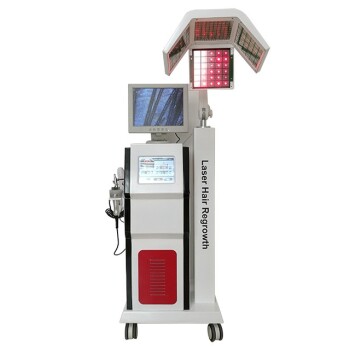
- Multifunctional Laser Hair Growth Machine Device for Hair Growth
- Multifunctional Laser Hair Growth Machine Device for Hair Growth
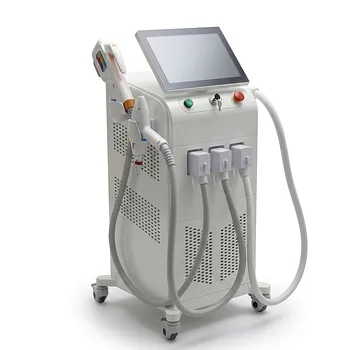
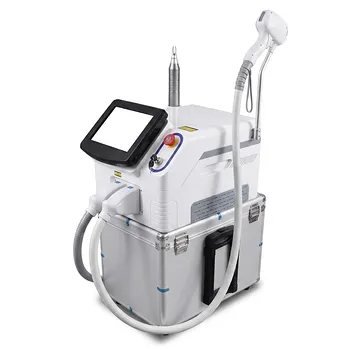
- 808nm Diode Laser Hair Removal Machine 755+808+1064nm Mixed Wavelength Professional Equipment
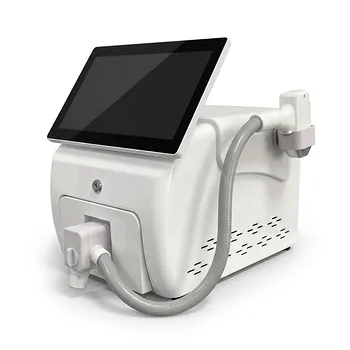
- Clinic Diode Laser Hair Removal Machine with SHR and Trilaser Technology
- Diode Laser SHR Trilaser Hair Removal Machine for Clinic Use
People Also Ask
- Why do professional-grade laser hair growth devices integrate LCD displays? Achieve Clinical Precision in Every Session
- What is a typical treatment schedule when using a laser hair growth device? Maximize Results with the Proven Protocol
- How do professional-grade laser stimulation devices contribute to improving hairline morphology? Revitalize Growth & Symmetry
- For which conditions have laser hair growth treatment devices been approved? Targeted Solutions for Androgenic Alopecia
- How do the biological phases of the hair growth cycle inform the clinical application of specialized hair growth devices for treating androgenetic alopecia? Insights for Clinics & Salons