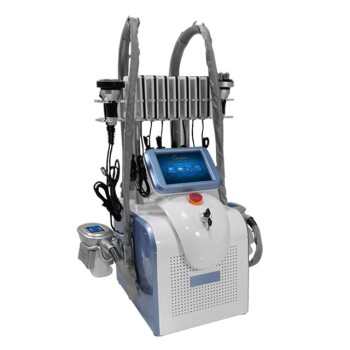
Skin cold air cooling systems serve two primary functions during facial laser procedures: epidermal protection and patient analgesia. By delivering a continuous flow of controlled cold air, these systems instantaneously lower the skin’s surface temperature to offset the intense heat generated by the laser, preventing thermal injury while significantly reducing pain.
These systems are essential safety and comfort tools that allow clinicians to deliver higher, more effective energy levels without compromising the skin's integrity. By managing thermal energy at the surface, they mitigate the risk of long-term complications while making sensitive facial treatments tolerable for the patient.
Protecting the Epidermal Layer
Prevention of Thermal Damage
The primary role of cold air systems is to protect the melanin-rich epidermis from non-specific absorption of laser energy. By lowering the surface temperature before, during, and after laser emission, the system prevents the skin from reaching temperatures that cause blisters, scarring, or permanent thermal injury.
Minimizing Post-Operative Complications
Excessive heat accumulation often leads to side effects that can delay recovery or cause aesthetic distress. Cold air cooling effectively reduces the incidence of post-operative edema (swelling), purpura (bruising), and post-inflammatory hyperpigmentation, which is especially critical for facial treatments where skin is thin and visible.
Preventing Bulk Heating
During high-density laser scans, heat can build up rapidly within the tissue, a phenomenon known as bulk heating. Continuous airflow removes this residual heat between pulses, ensuring that the thermal effect remains localized to the target area rather than spreading to surrounding healthy tissue.
Enhancing Patient Experience and Comfort
Immediate Analgesic Effect
The application of cold air provides a powerful analgesic effect by numbing the nerve endings in the treatment area. This immediate reduction in sensation makes the "snapping" feeling of the laser significantly more manageable for the patient.
Improving Procedure Tolerance
Facial areas are notoriously sensitive, and pain can often cause patients to flinch or request lower power settings. High-performance cooling increases patient tolerance, allowing the practitioner to work more efficiently and complete the procedure with fewer interruptions.
Psychomotor Relaxation
When a patient experiences less pain, they remain calmer throughout the procedure. This psychological comfort not only improves the patient's overall satisfaction but also allows the clinician to focus on the technical precision of the laser application.
Maximizing Treatment Efficacy
Enabling Higher Fluence Levels
To achieve superior results in hair removal or the closure of deep veins, clinicians often need to use higher energy fluences. Cold air cooling creates a "safety buffer" on the skin surface, allowing for the use of energy levels exceeding 20J/cm² that would otherwise be unsafe.
Greater Depth of Penetration
By keeping the surface cool, the laser can penetrate deeper into the dermis to reach target lesions or follicles without burning the top layer. This is vital for treating deep vascular lesions or thick hair where energy must travel further into the tissue.
Understanding the Trade-offs
Equipment Footprint and Noise
While highly effective, cold air cooling systems are often separate, bulky units that require additional floor space in the treatment room. They also generate ambient noise from the refrigeration compressor and airflow, which may slightly interfere with communication between the clinician and the patient.
Risks of Over-Cooling
If the airflow is too intense or held in one spot for too long, there is a minor risk of localized frostbite or excessive vasoconstriction. Clinicians must maintain a steady, moving application of air to ensure the skin remains at a safe, therapeutic temperature without becoming too cold.
How to Apply Cooling to Your Clinical Goals
Proper cooling technique should be tailored to the specific goals of the facial procedure to ensure both safety and results.
- If your primary focus is patient comfort: Ensure the cold air flow begins several seconds before the first laser pulse to provide an initial numbing effect.
- If your primary focus is treating deep lesions: Utilize maximum cooling settings to allow for higher energy density (fluence) without risking surface burns.
- If your primary focus is avoiding hyperpigmentation: Continue the airflow for several minutes post-treatment to ensure all residual heat is fully dissipated from the epidermal layer.
By integrating controlled cold air cooling, clinicians can transform high-intensity facial laser treatments into safe, effective, and well-tolerated procedures.
Summary Table:
| Key Function | Mechanism | Clinical Benefit |
|---|---|---|
| Epidermal Protection | Lowers surface temperature | Prevents blisters, scarring, and hyperpigmentation |
| Patient Analgesia | Numbs nerve endings | Significant pain reduction and improved treatment tolerance |
| Efficacy Boost | Manages thermal energy | Enables higher energy fluences for deeper tissue penetration |
| Recovery Support | Dissipates residual heat | Minimizes post-operative edema and redness |
Elevate Your Clinic’s Standards with BELIS Professional Technology
Maximize patient comfort and treatment safety by integrating advanced cooling solutions with high-performance aesthetic systems. BELIS specializes in professional-grade medical aesthetic equipment designed exclusively for clinics and premium salons.
From advanced laser systems—including Diode Hair Removal, Alexandrite, CO2 Fractional, Erbium, Nd:YAG, and Pico—to cutting-edge HIFU, Microneedle RF, and body sculpting solutions (EMSlim, Cryolipolysis), we provide the tools you need to deliver superior results. Our portfolio also features specialized care devices like Hydrafacial systems, skin testers, and hair growth machines to round out your service offerings.
Ready to upgrade your practice with reliable, high-margin equipment?
Contact our experts today to find the perfect solution for your salon!
References
- Felipe Coelho Neto, Rodrigo Gomes de Oliveira. Transdermal laser for facial vascular lesions: a single center experience. DOI: 10.1590/1677-5449.202301032
This article is also based on technical information from Belislaser Knowledge Base .
Related Products
- Fat Freezing Cryolipolysis Machine for Body Contouring
- Fat Freezing Cryolipolysis Machine for Body Contouring
- Cryolipolysis Fat Freezing Machine with Cavitation and Laser Lipolysis
- Cryolipolysis Fat Freezing Machine Cavitation Lipo Laser Machine
- Hydrofacial Machine with Facial Skin Analyzer and Skin Tester
People Also Ask
- What are the main benefits of using a fat freezing machine? Achieve Permanent, Non-Surgical Body Sculpting
- Do fat freezing machines really work? Achieve Non-Invasive Body Contouring
- What are the potential side effects and risks associated with fat freezing? Safety Profile & Rare Risks Explained
- What are the clinical and safety risks of using uncertified or replicate cryolipolysis body contouring equipment? Avoid hyperpigmentation and legal exposure with certified systems.
- What maintenance and service aspects are important when purchasing a fat freezing machine? Maximize ROI & Reliability