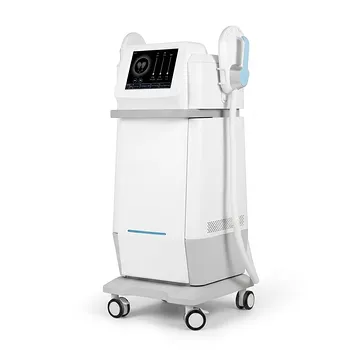
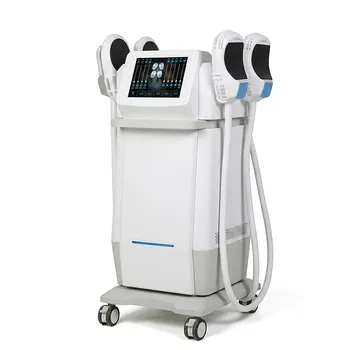
Uncertified or replicate cryolipolysis equipment can create substantially greater clinical risk than validated medical-grade systems. Reported post-inflammatory hyperpigmentation has reached 8.33%—approximately 1 in 12 patients—for non-cleared replicate devices, compared with less than 0.003%—fewer than 1 in 33,000—for clinically validated systems in the referenced comparison. The risks extend beyond pigmentation to uncontrolled cooling, unstable vacuum pressure, tissue injury, patient discomfort, and significant legal exposure for the clinic.
Cryolipolysis is safe only when cooling, suction, applicator geometry, and treatment monitoring are reliably controlled. A replicate device should not be treated as interchangeable with the original medical system on which it is modeled.
Why Equipment Certification Matters
Controlled Cooling Protects Skin and Tissue
Cryolipolysis is designed to cool the subcutaneous fat layer enough to induce adipocyte apoptosis while avoiding thermal injury to the epidermis and dermis.
Validated systems are engineered to maintain the intended temperature range and treatment profile. Uncertified devices may have inadequate temperature control, inaccurate sensors, or inconsistent cooling across the applicator.
Stable Vacuum Pressure Reduces Mechanical Injury
Vacuum suction draws the treatment area into the applicator. The pressure must remain controlled to limit bruising, excessive tissue traction, and compression of superficial nerves or vessels.
Replicate equipment may have unstable suction, inaccurate pressure regulation, or insufficient monitoring. These failures can increase pain, bruising, numbness, edema, and the risk of uneven treatment.
Applicators Must Match the Treatment Area
Applicator size and shape affect how tissue is captured and cooled. Smaller or more sensitive areas, such as the upper arms, require particular attention to applicator selection and suction intensity.
Using an unsuitable applicator can produce excessive tissue compression, poor contact, uneven cooling, or treatment outside the intended fat compartment.
Clinical Risks for Patients
Post-Inflammatory Hyperpigmentation
The most pronounced risk identified in the primary reference is post-inflammatory hyperpigmentation. This can leave persistent or difficult-to-reverse darkening after inflammation or injury.
The reported rate of up to 8.33% with non-cleared replicate devices is clinically significant. It indicates that the problem may affect a meaningful proportion of patients rather than representing an isolated adverse event.
Bruising, Edema, and Skin Redness
Patients may experience temporary redness, swelling, and bruising after cryolipolysis. These effects can become more pronounced when suction is excessive, uneven, or poorly monitored.
Uncontrolled mechanical force can also increase post-treatment tenderness and prolong recovery.
Numbness and Nerve Compression
Localized numbness can occur after treatment because cold exposure and tissue compression affect superficial sensory nerves. With appropriate treatment, this is generally monitored as a transient effect.
Replicate equipment may create greater concern when pressure is unstable or applicator placement is inaccurate. Persistent, severe, or worsening sensory changes require clinical assessment.
Uneven Fat Reduction
Cryolipolysis depends on consistent contact, cooling, and treatment coverage. Variations in temperature or vacuum pressure can produce irregular results, untreated areas, or excessive treatment in another region.
This is both a clinical and patient-satisfaction risk because correction may require additional procedures.
Cold- or Discomfort-Related Reactions
Patients can occasionally experience a vasovagal response related to cold exposure, discomfort, anxiety, or the treatment environment. Appropriate observation and staff preparedness are therefore necessary.
A device that provides poor control or limited feedback can make it more difficult for the practitioner to distinguish expected discomfort from a developing adverse response.
Risks to the Clinic
Liability for Preventable Harm
Using an uncertified device can make it difficult for a clinic to demonstrate that it met accepted equipment and treatment standards. If a patient develops pigmentation, nerve symptoms, burns, or another complication, the equipment choice may become central to a negligence or product-liability claim.
The fact that a device resembles a recognized system does not establish that it provides equivalent performance or safety.
Inadequate Evidence and Documentation
Validated systems typically have documented operating parameters, safety controls, training requirements, and clinical evidence. Replicate units may lack reliable documentation for temperature accuracy, suction stability, maintenance, or appropriate use across body areas.
That creates uncertainty in informed consent, staff training, incident investigation, and quality assurance.
Regulatory and Insurance Exposure
“Certified,” “cleared,” and “approved” can have specific meanings depending on the jurisdiction. A marketing claim that a device is equivalent to a medical system should not be accepted as proof of regulatory authorization.
Clinics should verify the device’s legal status, intended use, supplier documentation, and whether professional liability and equipment insurance cover its use.
Understanding the Trade-offs
Lower Purchase Cost Does Not Equal Lower Treatment Cost
Replicate devices may have a lower upfront price, but the apparent savings can be outweighed by complication management, refunds, corrective treatment, lost operating time, and legal costs.
The relevant comparison is the total cost of safe ownership, not the purchase price alone.
Certification Is Not a Substitute for Clinical Judgment
A certified system still requires trained operators, correct patient selection, suitable applicators, appropriate settings, and monitoring. Certification reduces equipment-related uncertainty; it does not eliminate procedural risk.
Practitioners must still assess contraindications, treatment-area suitability, skin condition, sensation, and patient expectations.
Do Not Generalize Results Across Devices
Evidence for one cryolipolysis platform cannot automatically be transferred to a replicate device. Differences in cooling curves, applicator design, suction pressure, sensors, software, and emergency controls can materially change outcomes.
A similar appearance or shared technology description is not evidence of clinical equivalence.
Poor Monitoring Can Turn Expected Effects Into Safety Events
Redness, edema, and temporary numbness may occur after treatment, but they should be assessed and documented rather than dismissed automatically. Continuous observation of skin response, patient comfort, vacuum behavior, and treatment duration is essential.
Post-treatment manual massage, where appropriate to the validated protocol, can support comfort and even treatment, but it cannot compensate for faulty equipment.
How to Apply This to Your Project
The correct decision depends on whether the equipment can be verified as legally authorized, clinically supported, and technically controlled for the intended treatment.
- If your primary focus is patient safety: Use a clinically validated system with documented temperature control, stable vacuum regulation, suitable applicators, operator training, and defined monitoring procedures.
- If your primary focus is regulatory compliance: Verify the device’s jurisdiction-specific clearance or authorization, intended use, supplier records, maintenance requirements, and insurance coverage before purchase.
- If your primary focus is treatment quality: Select applicators and suction settings for the specific body area, monitor skin and patient responses continuously, and document treatment parameters and follow-up findings.
- If your primary focus is cost control: Compare total ownership costs, including adverse-event management, downtime, training, maintenance, insurance, and liability, rather than comparing purchase prices alone.
Choosing equipment with verifiable clinical and regulatory support gives a clinic the strongest foundation for protecting patients, maintaining consistent results, and managing professional risk.
Summary Table:
| Risk Category | Risk Description | Rate / Impact |
|---|---|---|
| Post-inflammatory hyperpigmentation | Persistent darkening of skin | 8.33% (1 in 12) with replicate devices |
| Bruising, edema, redness | Temporary skin reactions | More pronounced in uncertified devices |
| Numbness and nerve compression | Sensory changes or damage | Risk increases with unstable pressure |
| Uneven fat reduction | Inconsistent treatment outcomes | Potential need for additional procedures |
| Vasovagal reactions | Cold or discomfort-related fainting | Requires close patient monitoring |
| Clinic liability | Legal exposure from preventable harm | Higher with uncertified equipment |
| Regulatory and insurance risks | Non-compliance and claim denial | Varies by jurisdiction |
Protect your patients and practice with certified cryolipolysis systems from BELIS. Our medical-grade equipment ensures controlled cooling, stable vacuum pressure, and clinical reliability. Contact us today to learn how our comprehensive range of aesthetic devices can enhance your clinic's safety and profitability. Get in touch now.
Related Products
- Fat Freezing Cryolipolysis Machine for Body Contouring
- Fat Freezing Cryolipolysis Machine for Body Contouring
- Cryolipolysis Fat Freezing Machine and Ultrasonic Cavitation Device
- Cryolipolysis Fat Freezing Cavitation Lipo Laser Machine
- Cryolipolysis Cavitation Machine Fat Cavitation Machine
People Also Ask
- What are the main benefits of using a fat freezing machine? Achieve Permanent, Non-Surgical Body Sculpting
- Do fat freezing machines really work? Achieve Non-Invasive Body Contouring
- What are the potential side effects and risks associated with fat freezing? Safety Profile & Rare Risks Explained
- What maintenance and service aspects are important when purchasing a fat freezing machine? Maximize ROI & Reliability
- What is the treatment principle of cryolipolysis fat freezing? Science-Backed Fat Reduction and Body Contouring