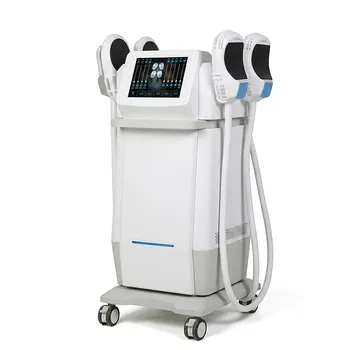
For patients who want to control excessive sweating without surgery or injections, several established options exist, including topical antiperspirants, iontophoresis, oral medications, and energy-based treatments. Radiofrequency and focused ultrasound devices deliver controlled thermal energy beneath the skin to target sweat-gland activity, offering a non-injectable option for selected patients who are uncomfortable with repeated needle-based treatments.
Excessive sweating can often be managed through a stepwise treatment plan. RF and ultrasound devices may be useful when patients want localized sweat reduction without multiple sub-dermal injections, although device choice, treatment area, and clinical evidence should be assessed carefully.
Non-Surgical Options for Excessive Sweating
Prescription Antiperspirants
Aluminum chloride-based antiperspirants are commonly used as an initial treatment for localized hyperhidrosis. They reduce sweating by temporarily obstructing the sweat ducts.
These products are non-invasive and relatively accessible, but they may cause skin irritation, dryness, or discomfort. They may also be insufficient for patients with severe or widespread sweating.
Iontophoresis
Iontophoresis uses a mild electrical current, typically delivered through water, to reduce sweating in areas such as the hands and feet. Repeated sessions are usually required, followed by maintenance treatments.
This option avoids injections and surgery, but it can be time-consuming and is less practical for areas such as the underarms or face.
Oral Medications
Prescription oral anticholinergic medications can reduce sweating by limiting acetylcholine signaling throughout the body. This makes them potentially useful when sweating affects multiple areas.
Because these medications act systemically, side effects can include dry mouth, blurred vision, constipation, urinary difficulty, and heat intolerance. Medical screening and supervision are important.
Botulinum Toxin Injections
Botulinum toxin reduces sweating by blocking acetylcholine release near the sweat glands. It can be effective for localized areas, including the underarms, palms, and soles.
However, treatment requires multiple injections. Pain, needle hesitation, and the burden of treating many sites can lead some patients to seek non-injectable alternatives.
Thermal Energy Treatments
Some devices use controlled heat to affect sweat glands beneath the skin. These include specialized radiofrequency systems, focused ultrasound approaches, and other localized thermal technologies.
The practical benefit is that treatment can be delivered without the repeated needle punctures associated with multi-site injections. Suitability depends on the device, treatment area, treatment protocol, and provider expertise.
How Radiofrequency Devices Support Non-Injectable Care
Targeting the Sub-Dermal Layer
Radiofrequency devices generate electromagnetic energy that produces controlled tissue heating. In hyperhidrosis applications, the intended treatment zone is the sub-dermal layer containing or surrounding targeted sweat glands.
The goal is to thermally modulate sweat-gland activity while limiting unnecessary exposure to surrounding tissue.
Reducing Dependence on Multiple Injections
For patients who are needle-averse, RF can provide a treatment pathway that does not depend on repeated sub-dermal injections. This is particularly relevant when a broad or multi-site treatment area would otherwise require many needle punctures.
The experience may still involve pressure, heat, or temporary tenderness, so “non-injectable” does not mean completely sensation-free.
Supporting Individualized Treatment Plans
RF can be considered when topical products or iontophoresis have not provided adequate control, or when a patient does not want injectable therapy. Providers can assess the sweating pattern, skin condition, treatment area, and tolerance for downtime before recommending it.
RF may also serve as an adjunct within a broader plan rather than as a universal replacement for every hyperhidrosis treatment.
How Focused Ultrasound Supports Non-Injectable Care
Concentrating Thermal Energy
Focused ultrasound uses acoustic energy to create controlled heating at a selected depth. This allows providers to target sub-dermal tissue without making repeated needle punctures.
The intended clinical effect is modulation of sweat-gland function through localized thermal treatment.
Offering a Different Energy Platform
Ultrasound and RF use different forms of energy and have different device designs, treatment depths, coverage patterns, and comfort profiles. A provider may select one platform based on the anatomy of the treatment area and the device’s intended indication.
The presence of a non-invasive energy option gives patients more than one pathway beyond injections.
Addressing Patient Preference
Some patients prioritize avoiding needles, while others prioritize treatment duration, recovery time, or the number of sessions required. Focused ultrasound may be attractive to patients who want a non-injectable approach, provided the device is appropriate for the indication and the patient understands the expected results.
A consultation should distinguish between aesthetic goals, medically significant hyperhidrosis, and realistic treatment outcomes.
Choosing Between RF and Ultrasound
Match the Device to the Treatment Area
Sweating may affect the underarms, hands, feet, face, scalp, or multiple regions. Not every RF or ultrasound device is designed or cleared for every anatomical area.
Treatment should therefore be based on the device’s intended use and the provider’s experience with that specific region.
Evaluate Severity and Distribution
Localized sweating may be suitable for topical, procedural, or energy-based treatment. Generalized sweating may require evaluation for medication-related or medical causes and may be better addressed through systemic therapy.
Energy-based treatment is generally most relevant when the problem is localized and the target glands can be reached safely.
Set Expectations About Maintenance
Sweat reduction may not be permanent, and treatment response can vary. Some patients may require repeat sessions or a combination of approaches over time.
Providers should explain expected durability, possible side effects, recovery, and the possibility of incomplete improvement before treatment begins.
Understanding the Trade-Offs
Non-Invasive Does Not Mean Risk-Free
Thermal devices can cause temporary redness, swelling, tenderness, altered sensation, or discomfort. Excessive or improperly delivered heat can increase the risk of burns or injury.
Appropriate device settings, patient selection, cooling or protective measures where applicable, and trained operation are essential.
Evidence Varies by Device and Indication
“RF treatment” and “ultrasound treatment” describe broad technology categories rather than one standardized procedure. Clinical outcomes depend on the specific device, energy settings, treatment protocol, anatomical site, and patient population.
Providers should avoid treating all energy-based platforms as interchangeable and should rely on device-specific evidence and regulatory indications.
Results May Differ From Injectable Therapy
Botulinum toxin directly interrupts a neurotransmitter signal involved in sweat production. Energy-based treatments use localized thermal effects on sweat-gland tissue, so their mechanism, treatment experience, onset, and durability may differ.
A non-injectable option may better fit a patient’s preferences without guaranteeing the same outcome as an injectable treatment.
A Medical Evaluation May Still Be Necessary
New, sudden, nighttime, or generalized excessive sweating can have an underlying medical or medication-related cause. Such patterns should be evaluated rather than treated solely as an aesthetic concern.
A qualified clinician can determine whether the sweating is primary hyperhidrosis or a symptom of another condition.
Making the Right Choice for Your Goal
The most appropriate option depends on the sweating pattern, severity, medical history, treatment area, and tolerance for medications, needles, and maintenance sessions.
- If your primary focus is avoiding needles: Discuss localized RF or focused ultrasound options, while confirming the device’s indication, expected discomfort, risks, and evidence for your treatment area.
- If your primary focus is starting with the least intensive approach: Consider prescription antiperspirants or iontophoresis when appropriate.
- If your primary focus is treating widespread sweating: Ask about medical evaluation and systemic treatment options, since localized energy devices may not address generalized symptoms.
- If your primary focus is predictable localized sweat reduction: Compare botulinum toxin with energy-based treatment in terms of effectiveness, discomfort, duration, downtime, and repeat-treatment requirements.
- If your primary focus is minimizing medication side effects: Explore localized treatments before systemic medications, subject to professional assessment.
Patients seeking non-injectable care now have several options, and RF and focused ultrasound can expand individualized treatment plans when used appropriately.
Summary Table:
| Option | Method | Pros | Cons |
|---|---|---|---|
| Prescription Antiperspirants | Topical aluminum chloride | Non-invasive, accessible | May irritate skin; may not work for severe cases |
| Iontophoresis | Electrical current through water | Needle-free, effective for hands/feet | Time-consuming; less practical for underarms/face |
| Oral Medications | Anticholinergics | Treats widespread sweating | Systemic side effects (dry mouth, blurred vision) |
| Botulinum Toxin Injections | Blocking acetylcholine | Effective for localized areas | Requires multiple needles; may cause pain |
| Radiofrequency (RF) Devices | Thermal energy targeting sweat glands | Non-injectable; no needles | Not risk-free; may cause temporary redness/swelling |
| Focused Ultrasound | Acoustic energy heating target tissue | Non-injectable; alternative energy platform | Device-specific evidence; may require multiple sessions |
Are you a clinic or premium salon looking to offer your patients advanced, needle-free solutions for excessive sweating? At BELIS, we specialize in professional-grade medical aesthetic equipment, including cutting-edge RF and focused ultrasound devices that target sweat glands without injections. Our portfolio also features a comprehensive range of laser, IPL, PDT, and body sculpting systems, ensuring you can meet every client's needs. Partner with us to expand your services, enhance patient satisfaction, and boost your clinic's revenue. Contact our experts today to learn more about our OEM/ODM support, certifications, and reliable supply chain. Request a consultation now and take your practice to the next level!
Related Products
- 22D HIFU Machine Device Facial Machine
- IPL SHR+Radio frecuency machine
- Cryolipolysis Fat Freezing Machine and Ultrasonic Cavitation Device
- Ultrasonic Cavitation Radiofrecuency Machine for Body Slimming
- 4D 12D HIFU Machine Device for Skin Tightening
People Also Ask
- Is swelling a frequent side effect after a HIFU facial? Expert Insights on HIFU Recovery and Safety
- What is the mechanism of action of High-Intensity Focused Ultrasound (HIFU) devices in noninvasive body sculpting, and how is surrounding tissue protected?
- How do High-Intensity Focused Ultrasound (HIFU) devices function? Master Non-Invasive Face Lifting Technology
- Are home-use HIFU devices a recommended alternative? Why Clinical Safety Beats At-Home Risks
- What are the main functions of a High Intensity Focused Ultrasound (HIFU) machine? Advanced Skin Lifting and Sculpting