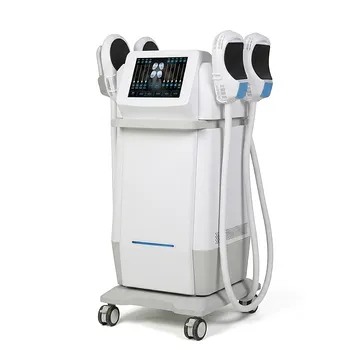
Aesthetic HIFU/IFUS maintains safety and clinical efficacy in Fitzpatrick skin types III–VI by delivering acoustic energy below the melanin-rich epidermis and concentrating it at controlled depths in the dermis, subcutaneous tissue, and SMAS. Because ultrasound is not primarily absorbed by epidermal melanin, it avoids the chromophore-driven injury mechanism associated with many light-based treatments. Precisely positioned thermal coagulation points can then stimulate collagen contraction and remodeling while preserving the surrounding tissue.
HIFU is relatively “color-blind” because its energy is not dependent on epidermal melanin absorption. Its safety depends on accurate depth selection, controlled energy delivery, appropriate patient selection, and correct technique; its efficacy comes from treating the deeper structural layers responsible for laxity.
Why HIFU Is Suitable for Darker Skin
Ultrasound bypasses epidermal melanin
Photon-based devices interact with chromophores such as melanin. In darker skin, excessive epidermal absorption can increase the risk of burns, post-inflammatory hyperpigmentation, dyschromia, scarring, or keloid formation.
HIFU uses focused acoustic energy rather than light. When delivered correctly, the energy passes through the superficial epidermis and deposits its greatest thermal effect at a selected focal point below the surface.
The epidermis remains outside the treatment focus
The intended thermal injury is localized to deeper tissue rather than spread across the skin surface. This reduces direct epidermal heating and helps preserve the melanin-rich upper layers in Fitzpatrick III–VI patients.
This does not mean that every ultrasound treatment is risk-free. Excessive energy, incorrect coupling, poor transducer placement, or treatment over unsuitable anatomy can still produce burns, pain, swelling, pigmentary change, or other complications.
Skin tone does not determine the acoustic target
The physical targets for HIFU are tissue depth and anatomy, not skin color. This allows the same underlying treatment principle to be used across a broad range of phototypes, with settings and treatment plans adjusted for the individual patient.
How HIFU Produces Clinical Tightening
Focal thermal coagulation creates a controlled biological response
HIFU transducers focus acoustic energy at predetermined depths, commonly around 1.5 mm, 3.0 mm, and 4.5 mm, depending on the device and indication. At the focal point, temperatures commonly described in clinical systems are approximately 60°C–70°C, creating small, controlled zones of thermal coagulation.
The surrounding tissue is largely spared because the highest energy concentration occurs only at the focal point. This precision is central to maintaining efficacy without creating broad superficial injury.
Collagen contracts immediately
Heat causes existing collagen fibers to contract and reorganize. This can produce an early tightening effect and modest improvement in tissue firmness after treatment.
The immediate effect is only part of the result. HIFU also initiates a wound-healing response that supports longer-term remodeling.
Collagen remodeling develops over time
The treated areas stimulate fibroblast activity and new collagen formation. As this remodeling progresses, the dermis and deeper connective tissues may become firmer, improving the appearance of laxity and soft-tissue descent.
Clinical improvement is therefore gradual rather than equivalent to a surgical lift. The degree of response depends on tissue quality, laxity severity, treatment depth, energy delivery, and individual biology.
Deeper tissue treatment supports facial contouring
Depending on the device and applicator, focused ultrasound may target the deep dermis, subcutaneous fibrous septa, and SMAS. Treating these structural layers addresses more than surface texture: it can support contraction of the tissue framework that contributes to facial contour.
The SMAS should be treated as an anatomical target, not a guarantee of lifting. Actual outcomes depend on whether the selected depth corresponds accurately to the patient’s anatomy.
How Safety and Efficacy Are Preserved
Depth selection must match anatomy
A transducer should be chosen according to the thickness and structure of the treatment area. A focal line intended for deeper tissue may be inappropriate in a thin area where the target lies closer to bone, nerves, or the skin surface.
Using multiple depths can help address different tissue layers, but only when each depth is anatomically appropriate. More lines or higher energy do not automatically produce a better result.
Energy must remain controlled
Clinical efficacy depends on producing sufficient thermal coagulation, while safety depends on avoiding excessive or misplaced heating. Device settings should follow validated treatment protocols and the manufacturer’s instructions for the specific applicator and indication.
The operator should also account for treatment density, spacing, pain response, and cumulative exposure. Aggressive delivery can increase complications without providing proportional tightening.
Coupling and transducer contact matter
Ultrasound energy must transfer consistently from the handpiece into the tissue. Inadequate coupling, air gaps, angled placement, or unstable contact can redirect energy or create uneven heating.
Consistent coupling medium, full contact, and controlled transducer movement help maintain predictable focal placement and reduce superficial hot spots.
Patient assessment guides treatment selection
A consultation should evaluate the degree and distribution of laxity, tissue thickness, facial anatomy, medical history, expectations, and prior procedures. HIFU is generally better suited to mild or moderate laxity than to substantial excess skin that requires surgical correction.
For Fitzpatrick III–VI patients, history of abnormal pigmentation, keloid formation, active inflammation, recent procedures, and sensitivity to heat should be considered during risk assessment.
Monitoring is part of the treatment
Pain, excessive heat, skin changes, and unexpected nerve-related symptoms should be monitored during and after treatment. Practitioners should document the device, cartridge or transducer, treatment depths, energy settings, treatment pattern, and patient response.
This documentation supports consistent technique and makes it easier to identify whether an adverse event resulted from patient factors, device settings, anatomy, or application technique.
Understanding the Trade-offs
“Color-blind” does not mean risk-free
HIFU reduces the specific risk associated with epidermal melanin absorption, but it does not eliminate all treatment risks. Thermal injury can still occur if energy is delivered too superficially, if pulses overlap improperly, or if the device is used over vulnerable structures.
Darker skin may also develop post-inflammatory pigmentation after non-pigmentary injuries. Avoiding direct melanin targeting is protective, but it is not a complete guarantee against pigmentary change.
Results are less predictable than surgical lifting
HIFU can improve laxity through contraction and collagen remodeling, but it cannot remove redundant skin or reproduce the repositioning achieved with surgery. Patients with advanced laxity may experience limited or disappointing improvement.
Treatment should therefore be presented as a non-surgical tightening option, not as an equivalent substitute for a facelift or neck lift.
Device quality and operator skill affect outcomes
The label “HIFU” does not ensure that every platform delivers the same output, focal accuracy, depth control, or clinical evidence. Professional systems should be used according to their regulatory status, validated indications, and manufacturer protocols.
Operator training is equally important. Understanding facial anatomy, transducer behavior, energy settings, and contraindications is necessary to translate the technology into a safe treatment.
Treatment depth can create anatomical risks
Deeper focal points may approach nerves, vessels, bone, or other sensitive structures. Incorrect placement can cause significant pain, swelling, temporary nerve dysfunction, numbness, or contour irregularity.
Avoiding vulnerable anatomy and using a conservative, anatomically guided treatment plan are essential, particularly in thin or previously treated areas.
Making the Right Choice for Your Goal
HIFU is most appropriate when the goal, anatomy, and expected degree of improvement match the capabilities of the technology.
- If your primary focus is pigmentary safety: Favor ultrasound-based energy because it does not rely on epidermal melanin absorption, while still recognizing that correct technique is required to minimize thermal and post-inflammatory complications.
- If your primary focus is non-surgical tightening: Use anatomically selected focal depths to stimulate collagen contraction and remodeling in the dermis, connective tissue, and appropriate SMAS regions.
- If your primary focus is predictable clinical outcomes: Choose a professionally validated platform, follow its treatment parameters, and use trained practitioners who can assess tissue thickness and vulnerable anatomy.
- If your primary focus is substantial skin excess: Seek assessment for whether a surgical procedure is more appropriate, because HIFU tightens tissue but does not remove redundant skin.
- If your primary focus is treating Fitzpatrick V–VI skin: Treat the patient’s anatomy and medical history individually, with conservative monitoring rather than assuming that darker skin is either inherently unsafe or entirely risk-free.
When precise energy delivery is matched to appropriate anatomy and patient expectations, HIFU can provide a melanin-independent approach to improving skin laxity across Fitzpatrick skin types III–VI.
Summary Table:
| Key Factor | How It Works | Why It Matters for Fitzpatrick III–VI |
|---|---|---|
| Energy Type | Focused ultrasound, not light | Bypasses melanin, reducing burn risk |
| Focal Depth | 1.5–4.5 mm below skin | Targets deep layers, spares epidermis |
| Thermal Effect | 60–70°C at focal point | Stimulates collagen contraction |
| Safety Protocol | Anatomical depth selection | Avoids superficial heating and injury |
| Clinical Result | Gradual tightening + remodeling | Non-surgical, suitable for mild/moderate laxity |
Discover how our advanced HIFU systems can safely expand your clinic's offerings for darker skin types. With BELIS's professional-grade devices and full OEM support, you can ensure high-quality results that satisfy clients and boost your reputation. Contact us today to learn more.
Related Products
- 4D 12D HIFU Machine Device for Skin Tightening
- 7D 12D 4D HIFU Machine Device
- 12D HIFU Machine Device for Facial HIFU Treatment
- 4D 12D HIFU Machine Device for Skin Tightening and Lifting
- 22D HIFU Machine Device Facial Machine
People Also Ask
- How do non-invasive skin tightening devices such as HIFU and microneedle RF compare to surgical rhytidectomy for facial lifting? Discover the key differences in results, longevity, and recovery.
- How does intense ultrasound (HIFU) skin tightening act on facial soft tissues? Discover its key clinical contraindications.
- What is the mechanism of action of High-Intensity Focused Ultrasound (HIFU) devices in noninvasive body sculpting, and how is surrounding tissue protected?
- How do non-invasive lifting devices like high-intensity focused ultrasound (HIFU) complement soft tissue fillers in treating lower face aging and pre-jowl sulcus depression? Discover the synergistic approach.
- What key clinical safety guidelines and contraindications must aesthetic practitioners observe when operating ultrasound skin tightening devices? Essential Safety Protocols for Clinics