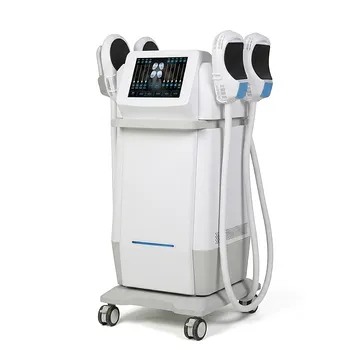
Professional light-based aesthetic equipment can be used beyond oncology by matching the device, wavelength, energy settings, and treatment protocol to the biological target. Photodynamic therapy combines a photosensitizer, specific light, and tissue oxygen to generate reactive oxygen species that can influence abnormal or overactive cells. Other professional modalities, including lasers and intense pulsed light (IPL), use selective energy absorption, thermal remodeling, or follicular targeting to address photoaging, acne, vascular changes, pigmentation, and hair-related inflammation.
The central principle is targeted energy delivery: the practitioner selects a wavelength and fluence that reach the intended skin structure while limiting damage to surrounding tissue. Successful treatment depends on accurate diagnosis, appropriate patient selection, controlled parameters, and a protocol designed for the specific indication.
How Light-Based Devices Affect the Skin
Photodynamic Therapy and Cellular Targeting
Photodynamic therapy requires three elements: a photosensitizer, a chosen light wavelength, and sufficient tissue oxygen. Their interaction produces reactive oxygen species that can trigger targeted cellular effects and immunomodulatory responses.
Although this mechanism is established in the management of precancerous lesions, it can also support selected non-oncological protocols, including acne and sebaceous gland hyperplasia. Its use should remain diagnosis-driven and based on a device and photosensitizer combination appropriate for the intended indication.
Laser and IPL Selective Absorption
Lasers typically deliver a narrow wavelength or wavelength range, while IPL emits a broader spectrum that can be filtered for different chromophores. These chromophores include melanin, hemoglobin, and structures associated with hair follicles.
When the selected target absorbs the energy, the resulting thermal effect can reduce pigment, coagulate superficial vessels, impair unwanted hair follicles, or stimulate dermal remodeling. The objective is controlled treatment of the target without excessive injury to adjacent skin.
Using Light-Based Equipment for Photoaging
Treating Deep Dermal Laxity
Thermal energy delivered into the reticular dermis can support collagen remodeling. This may improve the appearance of mild skin flaccidity and contribute to gradual structural tightening.
The effect is generally progressive rather than immediate. Practitioners must select energy levels and treatment intervals according to skin type, anatomical site, tissue thickness, and the specific device platform.
Improving Dermal Thickness and Elasticity
The papillary dermis is associated with superficial dermal support, elasticity, and skin firmness. Appropriate energy absorption in this layer can help address some effects of dermal thinning and loss of substance associated with aging.
This approach is best understood as remodeling rather than replacement of lost volume. It may improve texture and firmness, but it does not provide the same correction as a volumizing or surgical procedure.
Addressing Epidermal Pigment and Redness
Light-based treatments can target epidermal dyschromias, including brown sun-related spots, while vascular-selective settings can reduce the appearance of superficial redness and visible capillaries. IPL is commonly used for a range of pigmentary and vascular concerns.
Care is particularly important when treating darker or recently tanned skin, because melanin may absorb energy intended for the lesion and increase the risk of burns or post-inflammatory pigmentation.
Combining Photoaging Targets
Photoaging is usually a multi-layer process involving pigment irregularity, vascular change, dermal thinning, laxity, and surface-texture changes. A structured protocol can therefore combine parameters or treatment stages that address different anatomical strata.
The treatment plan should still be staged when necessary. Attempting to treat every aging feature aggressively in one session can increase discomfort, downtime, and complication risk without guaranteeing better results.
Treating Acne and Sebaceous Conditions
Acne Vulgaris
Photodynamic therapy and selected IPL protocols can be used for acne by influencing inflammatory activity, sebaceous function, and acne-associated microbial or cellular processes. The appropriate mechanism depends on the device, wavelength, treatment parameters, and whether a photosensitizer is used.
Light therapy is not a universal replacement for medical acne management. The practitioner should account for acne severity, active medications, scarring risk, hormonal contributors, and the patient’s tolerance for downtime.
Sebaceous Gland Hyperplasia
Targeted light-based protocols may reduce the appearance or activity of enlarged sebaceous glands. Treatment requires precise energy delivery because excessive thermal injury can produce burns, pigmentary changes, or scarring.
Lesions that are atypical, changing, bleeding, or diagnostically uncertain should be evaluated before cosmetic treatment. Aesthetic equipment should not be used to avoid necessary clinical diagnosis.
Acne Scars and Enlarged Pores
IPL can improve the appearance of post-acne redness, certain pigmentary changes, and some textural irregularities. By reducing vascular or pigmentary contrast, it may make scars less visible even when the underlying scar structure remains.
Enlarged pores and established atrophic scars may require other treatments, such as resurfacing or needling, depending on their depth and morphology. Device selection should follow the scar type rather than the general label of “acne scarring.”
Treating Hair-Related Inflammation
Pseudofolliculitis Barbae
Pseudofolliculitis barbae commonly results from curved or tightly coiled hairs re-entering the skin after shaving. This can cause painful papules, inflammation, hyperpigmentation, and sometimes scarring.
Medical hair-removal lasers and IPL systems can reduce hair density and thickness by targeting follicular melanin. Reducing active hair growth addresses the mechanical trigger of recurrent ingrown hairs and may reduce secondary inflammation over time.
Chronic Folliculitis
For selected cases of chronic folliculitis, hair-reduction treatment can reduce the number of follicles contributing to repeated irritation. The expected response depends on hair color, skin type, follicle depth, hormonal factors, and the cause of the folliculitis.
The aim is typically long-term reduction of active hair growth, not a guaranteed permanent elimination of every follicle. Active infection, unusual lesions, or persistent inflammation may require medical evaluation and treatment beyond light-based hair reduction.
Using IPL for Vascular and Pigmentary Indications
Vascular Redness and Rosacea
IPL can target superficial vascular components associated with facial redness, visible blood vessels, and some rosacea presentations. Results are usually obtained through a series of treatments rather than a single exposure.
Rosacea is a chronic inflammatory condition, so light-based treatment may reduce visible vascular features without eliminating the underlying tendency to flare. Trigger management and appropriate medical care remain important.
Hyperpigmentation and Dyschromia
IPL may be used for sunspots, age spots, freckles, selected birthmarks, and other forms of dyschromia when the diagnosis and pigment depth are appropriate. Melanin absorbs the delivered energy, producing a controlled response that can lighten the treated lesion.
Melasma requires special caution because heat and inflammation can worsen pigmentation in some patients. A careful diagnosis, conservative parameters, sun protection, and a broader pigment-management plan are essential.
Fine Lines, Texture, and Broken Capillaries
By combining vascular and pigmentary targeting with dermal thermal effects, IPL may improve the appearance of fine lines, uneven texture, broken capillaries, and superficial spider veins. The result is generally an improvement in overall skin quality rather than a complete correction of wrinkles.
Deeper wrinkles, marked laxity, and substantial textural scarring may respond better to other modalities or combination treatment. The device should be chosen according to the dominant clinical problem.
Understanding the Trade-offs
Results Depend on the Target
Light-based equipment is not interchangeable. A wavelength or filter effective for melanin may not be appropriate for vascular lesions, hair follicles, or dermal remodeling.
The clinician must define the target chromophore or tissue structure before selecting the device and settings. Treating a presumed cosmetic lesion without confirming its nature creates avoidable risk.
Skin Type Changes the Risk Profile
Higher melanin content increases the possibility of unintended absorption, burns, and post-inflammatory hyperpigmentation. Recent tanning, photosensitizing medications, active inflammation, and a history of abnormal scarring may also affect candidacy.
A thorough consultation should include medical history, medication review, skin assessment, treatment expectations, and informed consent. Test spots may be appropriate when the response is uncertain.
Downtime Is Low, Not Zero
Many professional light-based procedures are minimally invasive and involve limited downtime, but temporary redness, swelling, crusting, pigment darkening, discomfort, or photosensitivity can occur. Photodynamic therapy may create a more significant short-term photosensitivity period depending on the photosensitizer and protocol.
Patients need clear aftercare instructions, including photoprotection when indicated. “Non-invasive” should not be interpreted as risk-free.
Device Quality Does Not Replace Clinical Judgment
Professional equipment can provide controlled energy delivery, but outcomes depend on diagnosis, operator training, maintenance, calibration, and protocol design. A sophisticated device used with incorrect parameters can still cause injury or produce poor results.
Clinics should use equipment within its regulatory indications and maintain documented protocols for treatment, contraindications, adverse events, and follow-up.
How to Apply This to Your Project
The most appropriate application depends on the patient’s diagnosis, skin type, dominant concern, and tolerance for downtime.
- If your primary focus is photoaging: Use a layered assessment to determine whether the priority is dermal remodeling, pigment correction, vascular treatment, texture improvement, or a staged combination of these targets.
- If your primary focus is acne or sebaceous activity: Consider photodynamic or IPL-based protocols only after assessing acne severity, medications, inflammatory status, and whether conventional medical treatment is also required.
- If your primary focus is pseudofolliculitis barbae or chronic folliculitis: Use professionally supervised laser or IPL hair reduction to decrease follicular density and reduce the mechanical cause of recurrent irritation.
- If your primary focus is redness or visible vessels: Select vascular-targeted IPL or laser parameters after distinguishing rosacea, isolated telangiectasia, and other causes of facial redness.
- If your primary focus is pigmentation: Confirm the diagnosis and assess melasma risk, tanning history, and skin type before using melanin-targeting energy.
- If your primary focus is clinic integration: Build indication-specific protocols that define patient selection, device settings, treatment intervals, aftercare, documentation, and follow-up.
When diagnosis and energy selection are aligned, professional light-based equipment can address non-oncological skin conditions and cosmetic photoaging with controlled, targeted, and clinically responsible treatment.
Summary Table:
| Indication | Target Structure | Wavelength/Modality | Key Considerations |
|---|---|---|---|
| Photoaging (laxity) | Reticular dermis | Lasers/IPL for thermal remodeling | Progressive results; multiple sessions |
| Dyschromia | Epidermal melanin | IPL |
Elevate your clinic's offerings with BELIS professional-grade aesthetic devices. Our portfolio includes advanced lasers (diode, alexandrite, CO2, Nd:YAG, pico), IPL, and PDT systems, along with body sculpting and skin rejuvenation solutions. Designed exclusively for clinics and premium salons, our equipment ensures precise, targeted treatments that enhance patient satisfaction and grow your business. Contact us today to learn how BELIS can support your clinical success — get in touch!
Related Products
- Tri Laser Diode Hair Removal Machine Professional Beauty Equipment
- 22D HIFU Machine Device Facial Machine
- Trilaser Diode Hair Removal Machine for Beauty Clinic Use
- Clinic Use IPL SHR ND YAG Laser Hair Removal RF Skin Tightening Machine
- Clinic Use IPL and SHR Hair Removal Machine with Nd Yag Laser Tattoo Removal
People Also Ask
- What ocular safety protocols are required when operating diode or alexandrite hair removal lasers near the periorbital area? Essential eye protection and shielding for safe treatment.
- How do 800/810 nm diode hair removal lasers compare to 1064 nm long-pulsed Nd:YAG lasers? Discover the Best for Your Patients
- How do 800–810 nm Diode hair removal lasers compare to 1064 nm Long-Pulsed Nd:YAG lasers in terms of hair reduction efficacy and patient comfort? Discover Key Differences for Optimal Hair Removal
- What is the recommended treatment interval for diode laser hair removal? Achieve Max Hair Reduction with 45-Day Sessions
- Why is active skin cooling critical during high-energy aesthetic laser procedures such as diode laser hair removal? Avoid Burns, Pigment Changes, and Scarring