Introduction
Tattoo removal has evolved dramatically, with Pico laser technology emerging as a game-changer for stubborn ink and sensitive skin. But how does it truly compare to traditional Q-switched lasers? This guide cuts through the noise with a data-driven comparison of effectiveness, pain levels, costs, and recovery—helping you choose the right method for your skin type and tattoo colors.
Pico Laser Technology Explained
How Ultra-Short Pulses Target Ink Particles
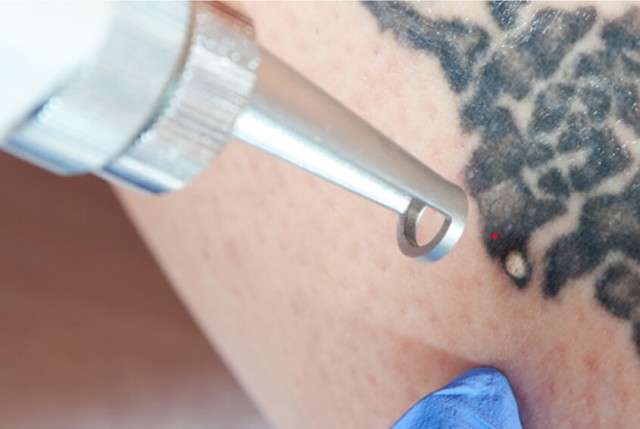
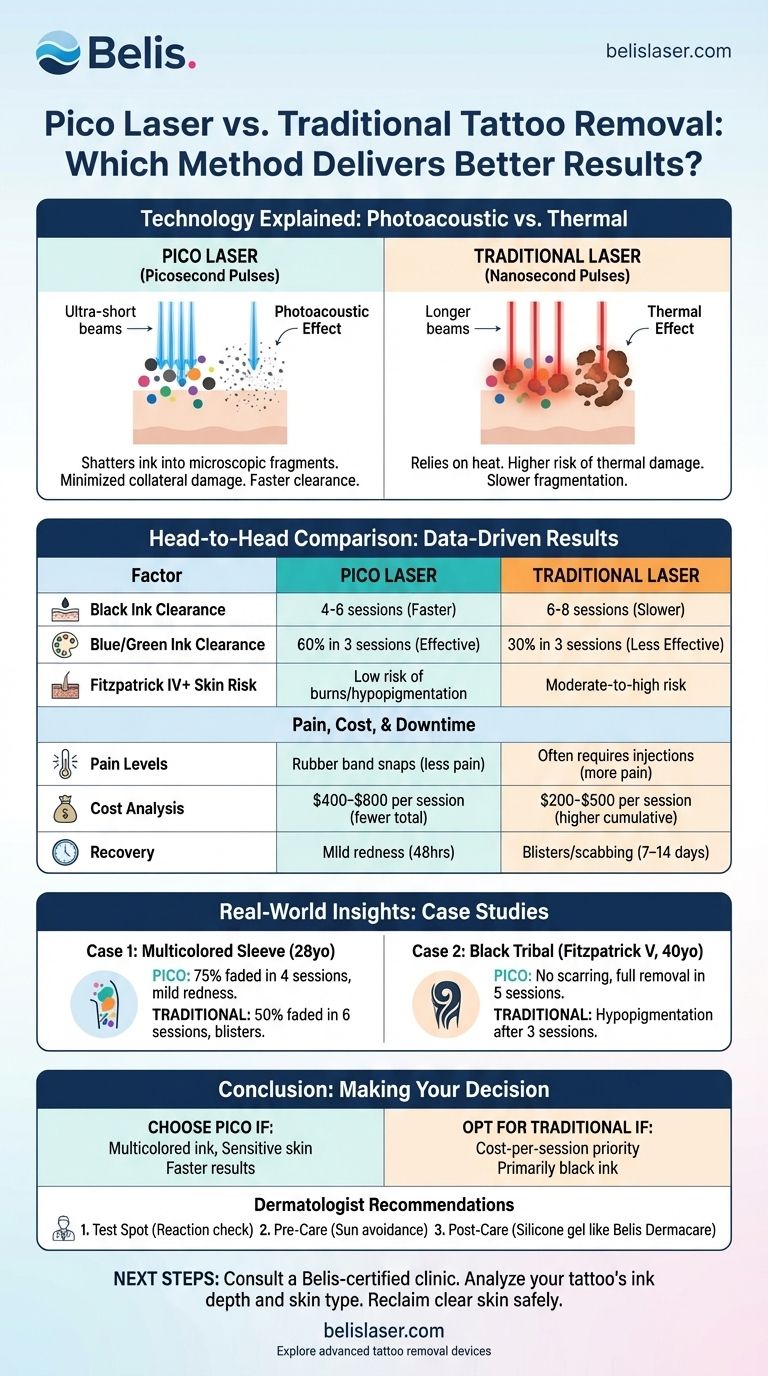
Pico lasers deliver ultra-short pulses (measured in picoseconds, or trillionths of a second) that shatter ink into microscopic fragments. Unlike traditional lasers that rely on heat, this photoacoustic effect minimizes collateral damage to surrounding skin.
Key advantages:
- Faster clearance: Breaks down stubborn blues/greens 2–3x faster than Q-switched lasers (clinical studies)
- Lower risk of hypopigmentation: Ideal for darker skin tones (Fitzpatrick IV–VI)
Ideal Cases: Stubborn Colors and Delicate Skin Areas
Pico excels where traditional lasers struggle:
- Multicolored tattoos: Targets turquoise, yellow, and pastels effectively
- Facial or thin-skinned areas: Reduced thermal damage lowers scarring risk
Ever wondered why some tattoos fade unevenly? Traditional lasers often leave lighter colors behind due to wavelength limitations.
Traditional Laser Removal Methods
Limitations with Multicolored or Deep Tattoos
Q-switched lasers (e.g., Nd:YAG, Ruby) use nanosecond pulses and specific wavelengths:
- Nd:YAG (1064nm): Best for black/dark ink but struggles with reds/oranges
- Ruby (694nm): Effective for green/blue but risks burning darker skin
Drawbacks:
- Multiple sessions (8–12): Slower ink fragmentation requires more treatments
- Incomplete clearance: 20–30% of patients see residual pigment after 10 sessions (Journal of Cosmetic Dermatology, 2021)
Common Side Effects and Downtime
- Blisters/scabbing: Thermal damage prolongs healing (7–14 days)
- Hyperpigmentation: Up to 15% risk in darker skin tones
Head-to-Head Comparison
Effectiveness by Ink Color and Skin Type
| Factor | Pico Laser | Traditional Laser |
|---|---|---|
| Black Ink | 4–6 sessions | 6–8 sessions |
| Blue/Green Ink | 60% clearance in 3 sessions | 30% clearance in 3 sessions |
| Fitzpatrick IV+ Skin | Low risk of burns | Moderate-to-high risk |
Pain Levels and Session Requirements
- Pico: Feels like "rubber band snaps" (topical numbing optional)
- Q-switched: Often requires lidocaine injections due to deeper heat
Cost Analysis and Insurance Considerations
- Pico: $400–$800 per session (fewer treatments offset cost)
- Q-switched: $200–$500 per session (higher cumulative cost)
- Insurance note: Neither method is typically covered unless treating ink-related granulomas.
Which factor matters most to you—fewer sessions or lower per-session costs?
Real-World Insights
Patient Recovery Journeys
Case 1: 28-year-old with sleeve tattoo (multicolored)
- Pico: 75% faded after 4 sessions; mild redness for 48hrs
- Traditional: 50% faded after 6 sessions; required antibiotic cream for blisters
Case 2: 40-year-old with black tribal ink (Fitzpatrick V skin)
- Pico: No scarring; 5 sessions for full removal
- Traditional: Developed hypopigmentation patches after 3 sessions
Dermatologist Recommendations
- Test spot first: Assess skin reaction to either laser.
- Pre-treatment prep: Avoid sun exposure 4 weeks prior.
- Post-care: Use silicone gel (e.g., Belis Dermacare) to prevent scarring.
Conclusion: Making Your Decision
- Choose Pico if: You have multicolored ink, sensitive skin, or want faster results.
- Opt for traditional lasers if: Cost-per-session is a priority and your tattoo is primarily black.
Next Steps: Consult a Belis-certified clinic to analyze your tattoo’s ink depth and skin type. Our Pico-equipped devices minimize downtime, letting you reclaim clear skin safely.
Ready to start your removal journey? Book a free consultation with our dermatology partners today.
Products You Might Be Looking For:
Explore advanced tattoo removal devices
Visual Guide
Related Products
- Pico Laser Tattoo Removal Machine Picosure Picosecond Laser Machine
- Cryolipolysis Fat Freezing Cavitation Lipo Laser Machine
- Cryolipolysis Fat Freezing Machine Cavitation Lipo Laser Machine
- Multifunctional Laser Hair Growth Machine Device for Hair Growth
- Multifunctional Laser Hair Growth Machine Device for Hair Growth
Related Articles
- How to Choose the Right Pico Laser Machine for Your Skin Type and Concerns
- How the Articulated Arm in Pico Laser Machines Delivers Unmatched Precision and Efficiency
- How Pico Laser Machines Revolutionize Skin Treatments: Evidence-Based Insights
- How to Choose Pico Laser Treatment Based on Skin Science (Not Brand Names)
- Pico Laser Explained: How Ultra-Fast Pulses Transform Skin Health






