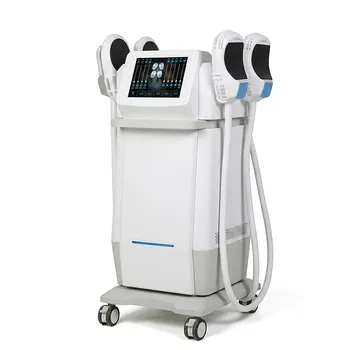
The distinction between professional aesthetic equipment and consumer-grade devices is rooted in the rigorous requirement for medical-grade manufacturing standards. These standards ensure absolute stability in energy output and hardware reliability, which are non-negotiable for high-frequency commercial environments. Adherence to these protocols protects consumer safety while guaranteeing the precise dosage necessary for effective clinical outcomes.
Medical-grade manufacturing transforms aesthetic equipment from a simple tool into a precision instrument. By prioritizing energy stability and hardware durability over cost-saving measures, these standards ensure that treatments remain safe and effective even under the heavy workloads of a professional clinic.
The Criticality of Energy Output Stability
Precision in Non-Ionizing Radiation
Professional treatments rely on delivering specific amounts of non-ionizing radiation to achieve results like skin tightening or hair removal. Medical-grade standards require the device to maintain a precise dose every time the trigger is pulled, regardless of how long the machine has been running.
Preventing "Dosage Drift"
Consumer-grade components often suffer from thermal fluctuations, causing the energy output to weaken or spike during extended use. In a professional setting, this instability can lead to either ineffective treatments or accidental burns, both of which jeopardize the practitioner's reputation.
Hardware Reliability in High-Frequency Environments
Engineering for Commercial Durability
Professional equipment must withstand high-frequency daily use, often running for several hours without a break. Medical-grade manufacturing utilizes superior internal components—such as advanced cooling systems and high-capacity capacitors—that are designed for a heavy duty cycle.
Minimizing Equipment Downtime
General consumer products are typically built for intermittent use and lack the robust hardware necessary for a clinic's workflow. Adhering to medical standards reduces the risk of mechanical failure, ensuring that the device remains a reliable revenue-generating asset rather than a liability.
Rigorous Safety Testing and Quality Control
Stringent Validation Protocols
Medical-grade devices must pass rigorous safety testing before they can be brought to market. These tests evaluate the device’s performance under extreme conditions to ensure that safety mechanisms, like emergency shut-offs and skin sensors, never fail.
Traceable Quality Assurance
Manufacturing under medical standards involves strict quality control documentation for every component. This level of oversight ensures that every unit leaving the factory performs exactly like the prototype used in clinical trials, providing a consistent safety profile for all users.
Understanding the Trade-offs
The Cost of Compliance
The most significant trade-off in medical-grade equipment is the higher initial investment. The cost of premium materials, specialized engineering, and regulatory certifications makes these devices considerably more expensive than consumer alternatives.
Complexity and Training Requirements
Because medical-grade devices are more powerful and precise, they often come with a steeper learning curve. Practitioners must invest time in specialized training to manage the sophisticated settings required to harness the device's full potential safely.
Choosing the Right Standard for Your Practice
How to Apply This to Your Project
Selecting equipment based on manufacturing standards is a strategic decision that impacts safety, efficacy, and long-term profitability.
- If your primary focus is patient safety and clinical results: Invest exclusively in medical-grade equipment to ensure energy stability and precise dosing.
- If your primary focus is long-term operational reliability: Prioritize devices with medical-grade hardware to minimize maintenance costs and prevent treatment-day cancellations.
- If your primary focus is budget-conscious entry into the market: Consider certified pre-owned medical equipment rather than downgrading to consumer-standard devices that lack professional safety guarantees.
By choosing medical-grade standards, you are investing in the fundamental reliability and safety that define a successful professional aesthetic practice.
Summary Table:
| Feature | Medical-Grade Standard | Consumer-Grade Standard |
|---|---|---|
| Energy Output | Precise, stable dose control | Subject to thermal drift/spikes |
| Hardware Quality | Industrial cooling & high-capacity parts | Standard components for light use |
| Duty Cycle | Continuous commercial operation | Intermittent personal use |
| Safety Protocols | Rigorous clinical validation | Basic consumer safety checks |
| Longevity | High reliability, low downtime | Shorter lifespan under heavy load |
Elevate Your Practice with Medical-Grade Excellence
At BELIS, we specialize exclusively in professional-grade medical aesthetic equipment designed for clinics and premium salons that refuse to compromise on safety or results. Our systems are engineered to the highest medical manufacturing standards, ensuring the energy stability and hardware reliability your business demands.
Whether you are looking for advanced laser systems (Diode Hair Removal, Alexandrite, CO2 Fractional, Erbium, Nd:YAG, Pico), high-intensity HIFU, or Microneedle RF, BELIS provides the precision tools you need. We also offer comprehensive body sculpting solutions like EMSlim, Cryolipolysis, and RF Cavitation, alongside specialized care devices such as Hydrafacial systems and Skin Testers.
Don't settle for consumer-grade instability. Invest in the durability and clinical efficacy that only medical-grade engineering can provide.
Contact BELIS today to find the perfect solution for your clinic!
References
- Zone Thomas, Ken Karipidis. Burned in Pursuit of Beauty: Injuries From Cosmetic Use of Non-Ionizing Radiation and Associated Regulatory Gaps. DOI: 10.1007/s11673-025-10475-y
This article is also based on technical information from Belislaser Knowledge Base .
Related Products
- Tri Laser Diode Hair Removal Machine Professional Beauty Equipment
- Hydrafacial Machine with Facial Skin Analyzer Skin Tester
- Cryolipolysis Fat Freezing Machine and Ultrasonic Cavitation Device
- 808nm Diode Laser Hair Removal Machine 755+808+1064nm Mixed Wavelength Professional Equipment
- 22D HIFU Machine Device Facial Machine
People Also Ask
- How can aesthetic practitioners prevent side effects like paradoxical hair regrowth and thermal burns when performing diode laser hair removal on dark skin? Master safe protocols for Fitzpatrick IV–VI skin.
- How do broad-spectrum noncoherent light sources compare to single-wavelength diode lasers in aesthetic hair removal applications? Find the best fit for your clinic.
- How do demographic trends in non-surgical procedures like laser hair removal compare to surgical aesthetics, and how should clinics leverage professional diode laser hair removal equipment to meet this demand?
- Why is monitoring the revenue rate per hour per physician essential when deciding to invest in high-throughput aesthetic technology like diode hair removal lasers or multi-applicator body sculpting machines? Optimize your practice's profitability
- What are the primary differences in mechanism and pigment dependency between standard laser hair removal devices (Alexandrite, Diode, Nd:YAG) and photosensitizer-assisted light therapies? Discover expert insights and tailored solutions