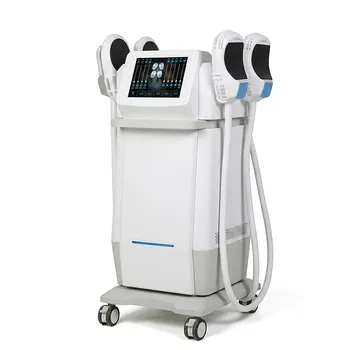
Pre-treatment psychological screening is essential because a technically successful aesthetic procedure cannot correct a psychologically distorted perception of appearance. Patients with Body Dysmorphic Disorder (BDD) may remain distressed or dissatisfied after laser, RF, HIFU, microneedle RF, or body-contouring treatments—even when the clinical result is objectively good. Screening helps clinics identify unsuitable candidates, protect patient wellbeing, set realistic expectations, and reduce avoidable clinical and medico-legal risk.
The central issue is not whether the equipment can produce a physical change, but whether the patient can evaluate that change realistically. When BDD or severe appearance-related distress is suspected, the appropriate next step is psychological or psychiatric referral—not proceeding directly to an aesthetic device treatment.
Why BDD Screening Matters Before Device-Based Procedures
BDD is a condition of perception and distress
BDD involves an intense preoccupation with a perceived physical defect that is either nonexistent or extremely slight. The concern causes significant distress or impairment and may lead to repetitive behaviors such as mirror checking, skin picking, excessive grooming, or repeated reassurance-seeking.
The perceived defect may be minor or within normal anatomical variation. As a result, correcting the physical feature may not resolve the underlying distress.
Technical success may not produce satisfaction
A laser resurfacing treatment, RF procedure, HIFU session, or body-contouring treatment can be performed correctly while the patient remains convinced that the result is inadequate. The patient may focus on a small variation, identify a different “defect,” or deny that meaningful improvement occurred.
This creates a fundamental mismatch between objective treatment outcome and subjective patient satisfaction.
Device procedures can intensify the treatment cycle
When distress is driven by BDD, the patient may request repeated procedures, increasingly aggressive treatments, or frequent touch-ups. Additional treatment often fails to address the underlying concern and may increase physical risk, anxiety, and dissatisfaction.
A clinic should therefore assess whether the proposed procedure is likely to solve a realistic physical concern rather than reinforce a recurring cycle of intervention.
What Clinics Should Assess
Use a structured consultation, not only a checklist
A brief screening questionnaire can support the consultation, but it should not replace professional clinical judgment. Practitioners should also use open-ended questions to understand the patient’s concerns, expectations, previous treatments, and emotional response to appearance.
Useful questions include:
- What specific feature concerns you most?
- How long has this concern affected you?
- How much time do you spend thinking about it or checking it?
- What do you expect this procedure to change?
- What will you do if the result is less noticeable than expected?
- Have previous cosmetic procedures satisfied you?
The purpose is to identify risk indicators, not to diagnose BDD within an aesthetic consultation.
Look for recognizable warning signs
Potential indicators include:
- Excessive concern about an imperceptible or very minor feature.
- Unrealistic or absolute expectations, such as expecting a procedure to eliminate all perceived imperfections.
- A history of multiple unsatisfactory cosmetic procedures.
- Repeated requests for correction despite technically appropriate outcomes.
- Obsessive mirror checking, concealment, reassurance-seeking, or skin picking.
- Marked anxiety or distress focused on appearance.
- Belief that changing the feature will resolve broader emotional, social, or relationship problems.
No single sign confirms BDD. However, several signs occurring together should prompt caution and further evaluation.
Confirm the physical indication independently
Psychological screening should be combined with a physical assessment of the proposed treatment area. The practitioner should establish whether the concern is clinically observable, whether the device is appropriate, and what degree of improvement is realistically possible.
Medical history, contraindications, medication use, tissue or coagulation concerns, scars, skin elasticity, and other relevant physical factors also remain essential parts of treatment planning.
How Screening Protects Patients and Clinics
It supports ethical patient selection
Aesthetic treatment is appropriate when the patient has a realistic goal, understands the limitations, and can provide informed consent. If the proposed intervention is unlikely to relieve the patient’s distress, proceeding may not serve the patient’s interests.
Deferring treatment is not a rejection of the patient. It is a recognition that psychological support may be more appropriate than an immediate physical intervention.
It improves informed consent
Informed consent requires more than explaining the procedure, risks, and aftercare. Patients should understand the likely degree of improvement, the possibility of incomplete correction, and the fact that treatment cannot guarantee increased confidence or resolution of broader emotional concerns.
Realistic expectations are particularly important for procedures whose results are gradual, subtle, or variable.
It reduces disputes and relationship breakdown
Unrecognized BDD can contribute to post-treatment complaints, demands for repeated procedures, hostility toward practitioners, and medico-legal disputes. These outcomes can occur even when the device was selected correctly and operated according to appropriate protocols.
Documented consultations, standardized photographs, treatment parameters, consent records, and clear expectations help establish an objective clinical baseline. They do not replace screening, but they improve communication and accountability.
It enables appropriate referral
When BDD is suspected, the clinic should withhold elective treatment and recommend evaluation by a qualified mental health professional. Psychological or psychiatric care may include approaches such as cognitive behavioral therapy or medication management, as determined by the relevant clinician.
Aesthetic practitioners should not attempt to treat BDD themselves or promise that a procedure will resolve the patient’s distress.
Understanding the Trade-offs
Screening may delay or lose a procedure
A referral can postpone treatment or result in the patient choosing another provider. That short-term commercial cost should be weighed against the patient-safety, ethical, and reputational risks of performing an unsuitable procedure.
A clinic’s responsibility is to recommend treatment based on suitability, not simply on the availability of equipment or the patient’s willingness to pay.
Screening is not a diagnostic test
Questionnaires and interviews can identify concerns that warrant further assessment, but they cannot establish a definitive psychiatric diagnosis. Screening should be handled respectfully and confidentially, without labeling or stigmatizing the patient.
The correct response to concern is a professional referral, not an unsupported diagnosis.
Physical assessment remains necessary
A patient may have a genuine physical concern and also experience significant appearance-related anxiety. Psychological screening must therefore complement—not replace—medical history, examination, contraindication checks, photography, consent, and device-specific treatment planning.
Do not assume every dissatisfied patient has BDD
Some patients are dissatisfied because expectations were poorly explained, results were limited, complications occurred, or communication failed. BDD is one possible explanation and must be considered carefully rather than used to dismiss legitimate concerns.
Building a Practical Pre-Treatment Protocol
Start with a consistent consultation process
Every candidate should receive the same baseline evaluation rather than being screened only when a practitioner feels uneasy. Consistency reduces bias and makes it easier for staff to recognize changes in expectations or behavior.
The consultation should cover the patient’s goals, timeline, prior procedures, emotional impact, expected outcome, and understanding of limitations.
Combine psychological and physical screening
A robust protocol should include:
- Medical history and contraindication review.
- Focused examination of the treatment area.
- Assessment of goals, expectations, and appearance-related distress.
- Use of an appropriate brief screening tool when indicated.
- Open-ended discussion of previous procedures and satisfaction.
- Standardized pre-treatment photography.
- Clear explanation of likely outcomes, limitations, risks, and aftercare.
- Written informed consent.
- Referral and deferral procedures when BDD is suspected.
This process helps ensure that the patient, practitioner, and clinic share the same understanding of what the treatment can realistically achieve.
Establish clear deferral criteria
Treatment should be reconsidered when the patient’s expectations are impossible, the perceived defect is not clinically apparent, prior procedures have repeatedly failed to satisfy them, or the patient shows significant obsessive checking, skin picking, or appearance-related distress.
The decision to defer should be documented factually and communicated with empathy. The clinic should explain that further assessment is needed before determining whether an aesthetic procedure is appropriate.
How to Apply This to Your Clinic
Pre-treatment screening should be treated as a core patient-safety process, not an optional administrative step.
- If your primary focus is patient safety: Screen for appearance-related distress and BDD indicators before every elective device-based procedure, and defer treatment when the patient may not benefit psychologically.
- If your primary focus is treatment satisfaction: Define realistic outcomes, assess previous treatment experiences, and confirm that the patient’s goals match what the device can physically achieve.
- If your primary focus is risk management: Maintain consistent consultation notes, photographs, consent records, screening documentation, and referral procedures.
- If your primary focus is ethical practice: Avoid promising emotional transformation through cosmetic treatment and refer suspected BDD for qualified psychological or psychiatric assessment.
The safest aesthetic treatment is one performed only when the physical indication, psychological readiness, and expected outcome are all aligned.
Summary Table:
| Reason | Explanation |
|---|---|
| BDD distorts perception | Patients may remain dissatisfied despite objective improvement. |
| Technical success ≠ satisfaction | Correct procedure won't correct psychological distress. |
| Reduces repeat procedures | Unidentified BDD leads to excessive requests and risks. |
| Protects patient wellbeing | Identifies unsuitable candidates and enables referral. |
| Minimizes medical-legal risk | Prevents complaints and disputes through proper screening. |
| Improves informed consent | Sets realistic expectations and documents decisions. |
Ensure every aesthetic procedure is matched with the right candidate. At BELIS, we support clinics with advanced medical aesthetic equipment and expert guidance. Our portfolio includes laser systems, IPL, PDT, HIFU, microneedle RF, body sculpting, and more—designed for professional clinics and premium salons. We also provide educational resources to help you integrate best practices like psychological screening into your workflow. Partner with BELIS to elevate your practice with reliable technology and comprehensive support. Contact us today to learn how we can enhance your clinical outcomes and patient satisfaction.
Related Products
- Cryolipolysis Fat Freezing Machine and Ultrasonic Cavitation Device
- Tri Laser Diode Hair Removal Machine Professional Beauty Equipment
- Hydrofacial Machine Facial Clean Face and Skin Care Machine
- 22D HIFU Machine Device Facial Machine
- Hydrafacial Machine with Facial Skin Analyzer Skin Tester
People Also Ask
- What are the main benefits of using a fat freezing machine? Achieve Permanent, Non-Surgical Body Sculpting
- What anatomical factors determine whether a patient with submental fullness should be treated with cryolipolysis fat-reduction devices versus energy-based skin tightening modalities?
- What are the potential side effects and risks associated with fat freezing? Safety Profile & Rare Risks Explained
- What are the technical advantages of using lower temperatures and shorter durations in cryolipolysis fat reduction?
- What safety precautions are essential during a cryolipolysis procedure? Top Safety Protocols for Clinics