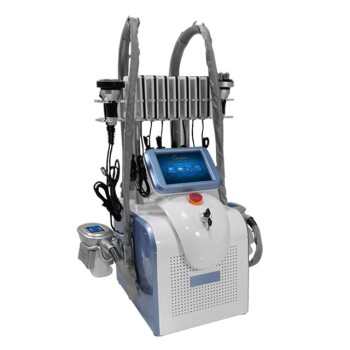
Pre-treatment skin testing is recommended because the condition of the skin directly affects the safety, healing, and appearance of semi-permanent dermal pigment treatments. Professional analysis can assess hydration, sebum levels, pigmentation, texture, and epidermal barrier integrity before micropigmentation begins. This helps practitioners identify conditions that may interfere with healing or pigment retention, prepare the skin appropriately, and determine whether treatment should be postponed.
Semi-permanent pigment is placed through a controlled skin injury, so the skin must be capable of healing predictably. Objective testing supports better candidate screening, individualized preparation, and more consistent results.
Why Skin Condition Matters Before Micropigmentation
The Treatment Depends on Controlled Healing
Semi-permanent dermal pigmentation, including micropigmentation, creates small channels in the skin to deposit pigment. The final result depends partly on how evenly those channels heal and retain the pigment.
Compromised, excessively oily, inflamed, or unusually dry skin may heal irregularly. This can produce uneven color, inconsistent saturation, excessive fading, or other unwanted changes in appearance.
Sebum Can Affect Pigment Retention
Excessive sebum production and oily skin can make pigment implantation and retention less predictable. Oil may also complicate skin preparation and contribute to an uneven healed result.
Testing sebum balance gives the practitioner information that may not be apparent from visual inspection alone. The treatment plan can then account for the client’s skin condition or be delayed while it is stabilized.
Inflammation Can Increase Treatment Risk
Active acne, seborrheic dermatitis, and other inflammatory conditions may interfere with the procedure and the healing process. Treating over visibly or clinically compromised skin can aggravate inflammation and make the outcome less predictable.
A professional evaluation helps identify when the skin requires medical attention or targeted skincare before pigment is introduced. Active infection or significant inflammation should be treated as a potential contraindication until appropriately managed.
Excessive Dryness May Signal Barrier Impairment
Severe dryness can indicate reduced barrier function, dehydration, or irritation. A weakened barrier may increase sensitivity and make recovery more difficult after the procedure.
Measuring hydration and evaluating epidermal integrity helps determine whether barrier repair should come first. Proceeding only when the skin is adequately prepared can reduce avoidable irritation and support more uniform healing.
What Professional Skin Testing Can Reveal
Hydration and Sebum Balance
Professional skin analysis systems can provide quantitative information about moisture and oil levels. These measurements establish a baseline that supports more consistent clinical decisions.
The data can help distinguish between skin that is adequately prepared and skin that needs conditioning, hydration, or oil-control measures before treatment.
Pigmentation and Texture Patterns
Multispectral imaging, including polarized or ultraviolet light where clinically appropriate, may reveal pigmentation patterns, pore characteristics, texture changes, or other features that are less obvious under ordinary lighting.
This information is useful for documenting the starting condition of the skin and identifying factors that could affect the visual result. It should support, not replace, a trained practitioner’s examination.
Possible Lesions or Contraindications
A skin assessment may draw attention to suspicious lesions, active infections, unusual vascular features, or other findings requiring further evaluation. These findings may affect whether, where, or when micropigmentation can be performed.
Skin-testing equipment is not a substitute for medical diagnosis. Any concerning finding should be assessed through the appropriate licensed healthcare professional before proceeding.
Skin Type and Sensitivity Considerations
The evaluation can contribute to a broader assessment of skin type, sensitivity, and likely reactivity. This is particularly important when the treatment area has a history of irritation, scarring, dermatitis, or pigmentary changes.
The practitioner can use this information to adjust preparation and aftercare, set realistic expectations, or recommend an alternative approach.
How Testing Improves Treatment Planning
Screening Before an Invasive Procedure
Pre-treatment testing creates a structured screening step before the skin is exposed to needles, pigment, and mechanical trauma. It helps determine whether the client is an appropriate candidate at that time.
This process can identify the need to postpone treatment because of active acne, dermatitis, infection, severe dryness, or inadequate barrier function.
Customizing Skin Preparation
Not every client needs the same preparation. Some may require barrier-supportive skincare, while others may need a period of oil control or management of an inflammatory condition.
Objective measurements make these decisions more defensible than relying only on subjective visual impressions. Preparation should remain conservative and compatible with the treatment area and the practitioner’s clinical protocol.
Establishing a Baseline for Follow-Up
Recorded measurements and images provide a reference point for comparing the skin before and after treatment. This can help document healing, assess pigment retention, and identify unexpected reactions.
Baseline data also improves communication between the practitioner and client. It gives both parties a clearer basis for discussing expected results and any changes during recovery.
Reducing Misjudgment
Visual inspection alone can miss subtle barrier disruption, uneven pigmentation, or early inflammatory changes. Diagnostic equipment provides additional information that can reduce the chance of proceeding under inaccurate assumptions.
The goal is not to turn every measurement into a treatment decision automatically. The goal is to combine objective data with clinical judgment, client history, and direct examination.
Understanding the Trade-offs
Testing Does Not Guarantee a Complication-Free Result
Professional skin analysis improves assessment, but it cannot eliminate all risks. Healing, pigment retention, allergic reactions, scarring, infection, and color changes can still occur.
A complete safety process also requires informed consent, hygiene controls, appropriate product selection, medical history review, and clear aftercare instructions.
Equipment Has Diagnostic Limits
Skin testers estimate or visualize selected characteristics; they do not independently confirm every skin disease or contraindication. Device readings can also be influenced by recent skincare products, lighting, hydration status, and operator technique.
Results should therefore be interpreted within the client’s full clinical context. Suspicious or uncertain findings require appropriate medical referral.
Testing Adds Time and Cost
Professional evaluation requires equipment, training, documentation, and appointment time. For clinics, these factors add operational cost.
That cost is justified when it prevents treatment on unsuitable skin, reduces avoidable complications, or improves consistency. However, equipment should be selected and used as part of a validated workflow rather than as a marketing substitute for practitioner expertise.
Overreliance on Numbers Can Mislead
A numerical reading can appear precise without being clinically decisive. Practitioners should avoid treating a single value as an automatic approval or rejection of treatment.
The strongest approach combines objective measurements with symptoms, visual examination, medical history, and the client’s treatment goals.
Making the Right Choice for Your Goal
A professional skin assessment should be treated as a pre-treatment safety and planning step, not merely as an optional cosmetic service.
- If your primary focus is safety: Confirm that the practitioner evaluates active inflammation, infection, lesions, barrier impairment, and other contraindications before treatment.
- If your primary focus is pigment retention: Address excessive oiliness, dehydration, and uneven skin condition before implantation so healing and color retention are more predictable.
- If your primary focus is personalization: Use hydration, sebum, pigmentation, and texture findings alongside clinical history to tailor preparation and aftercare.
- If your primary focus is documentation: Record baseline measurements and images so healing and pigment changes can be assessed objectively over time.
The most reliable semi-permanent pigment results begin with treating the skin’s condition as carefully as the pigment itself.
Summary Table:
| Purpose | Key Benefits |
|---|---|
| Safety Screening | Identifies contraindications like infection or inflammation |
| Customized Prep | Tailors skincare for optimal healing and pigment retention |
| Baseline Documentation | Records skin condition for objective follow-up |
| Risk Reduction | Avoids treatment on unsuitable skin, reducing complications |
At BELIS, we supply professional-grade skin testing equipment (e.g., skin analyzers, dermatoscopes) designed for clinics and premium salons. Our advanced devices help you screen candidates, tailor procedures, and build trust with documented results. Enhance your micropigmentation services with reliable diagnostics. Contact us today to learn more about our medical aesthetic solutions!
Related Products
- Skin Tester Analysis Machine Analyser for Skin Testing
- Skin Tester Analysis Machine Analyser for Skin Testing
- Hydrafacial Machine with Facial Skin Analyzer Skin Tester
- Hydrofacial Machine with Facial Skin Analyzer and Skin Tester
- 4D 12D HIFU Machine Device for Skin Tightening
People Also Ask
- What is the necessity of using professional skin analyzers? Transform Clinic Consultations with Scientific Diagnostics
- Why is the double integrating sphere technique with inverse Monte Carlo simulation used to measure skin optical properties for aesthetic laser and skin analyzer development?
- How do professional skin testers and Wood's lamps support clinical decisions before laser procedures? Key insights for safe and effective treatment planning
- How does acne pathogenesis inform the use of diagnostic skin testing devices in medical aesthetic clinics? Unlock Precision in Acne Care
- How do pixel array detectors improve the efficiency of optical spectrum measurement in skin analyzers? Faster, simultaneous capture