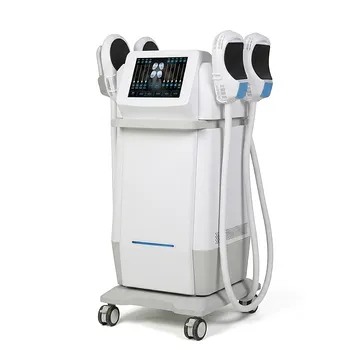
Nonablative RF skin tightening is considered suitable for all Fitzpatrick skin types because it heats tissue through electrical resistance rather than pigment absorption. Optical lasers and IPL systems depend on chromophores such as melanin to absorb light, so darker or recently tanned skin can absorb more energy in the epidermis and face a higher risk of burns and post-inflammatory pigment changes. RF energy is largely independent of melanin, allowing controlled dermal heating across skin types I–VI when the device is used correctly and epidermal temperature is monitored or protected.
The central safety advantage of RF is that its energy delivery does not depend on skin color. It can heat the dermis for collagen remodeling while reducing the pigment-related risks associated with optical systems, although treatment settings, skin contact, cooling, and operator technique still determine the actual safety profile.
Why Optical Systems Carry More Pigment-Related Risk
Melanin Absorbs Optical Energy
Lasers and IPL deliver light at selected wavelengths that are absorbed by specific skin chromophores. Melanin is one of those chromophores, so the epidermis may absorb a substantial amount of the treatment energy, particularly in Fitzpatrick types IV–VI or recently tanned skin.
This absorption can raise epidermal temperature before the intended target tissue is adequately treated. Excessive heating may cause superficial burns or inflammation.
Pigment Changes Can Follow Thermal Injury
Inflammation after epidermal injury can stimulate excess pigment production, resulting in post-inflammatory hyperpigmentation. In some cases, melanocyte injury can instead lead to hypopigmentation.
These risks do not make lasers or IPL inherently unsafe for darker skin, but they require careful wavelength selection, conservative settings, cooling, and patient screening. The margin for error is generally narrower when melanin absorbs a significant portion of the delivered energy.
How RF Delivers Heat Differently
Tissue Resistance Converts Current Into Heat
Nonablative RF devices deliver electromagnetic energy into the skin. As the current encounters tissue resistance, electrical energy is converted into thermal energy within the treated tissue.
This process is non-chromophore-specific. The amount of melanin in the epidermis is not the primary factor determining where the RF energy is absorbed.
RF Can Target the Dermis
The intended effect of skin-tightening RF is controlled heating of dermal tissue, often within a target range around 40–45°C, depending on the device, treatment method, and clinical protocol. This thermal stimulus can denature or contract existing collagen and activate a wound-healing response that supports collagen remodeling.
Because RF does not need to be preferentially absorbed by melanin, treatment can address deeper dermal tissue without making epidermal pigment the main energy sink.
Surface Protection Complements Pigment Independence
Many RF systems incorporate cooling, temperature monitoring, impedance monitoring, or other safeguards to protect the epidermis. Proper handpiece contact is also important, because inconsistent contact can create uneven energy delivery and localized overheating.
RF’s pigment independence reduces one major source of risk, but surface protection and controlled energy delivery remain essential.
What “Safe for All Fitzpatrick Types” Actually Means
The Energy Mechanism Is Broadly Skin-Color Agnostic
Fitzpatrick skin types I–VI describe how skin tends to respond to ultraviolet exposure, including its tendency to burn or tan. RF’s electrical heating mechanism does not rely on the melanin concentration that distinguishes these phototypes.
That is why professional RF systems can generally be used across the full Fitzpatrick range, including darker and tanned skin, with a lower risk of pigment-mediated injury than many optical treatments.
Risk Is Reduced, Not Eliminated
“Safe for all skin types” should not be interpreted as a guarantee that every RF treatment is risk-free. Excessive energy, poor coupling, prolonged stationary contact, inadequate cooling, or incorrect technique can still cause burns or other thermal complications.
The statement describes the fundamental suitability of the energy modality, not permission to use identical settings for every patient or device.
Device Design Matters
Monopolar, bipolar, multipolar, fractional, and microneedle RF systems deliver energy in different ways and reach different tissue depths. Their safety controls, treatment endpoints, and risks are not interchangeable.
A qualified provider must follow the specific device protocol and account for skin condition, treatment area, sensation, prior procedures, medications, and relevant medical contraindications.
How RF Produces Skin Tightening
Immediate Effects Are Not the Whole Result
Some patients notice early tightening from temporary tissue contraction or mild inflammation. This initial appearance does not represent the full biological remodeling process.
More meaningful structural changes typically develop over four to six weeks and may continue for months as collagen remodeling progresses.
Collagen Remodeling Develops Gradually
Controlled dermal heating creates a thermal stimulus without intentionally removing the epidermis. The subsequent repair response can support improvements in laxity, texture, and wrinkles over time.
The degree and duration of improvement depend on the device, treatment depth, energy settings, tissue characteristics, and the individual’s response.
Understanding the Trade-offs
RF Does Not Replace Every Optical Treatment
Lasers and IPL remain valuable when the goal is selective treatment of pigment, vascular lesions, hair, or certain surface conditions. Their chromophore targeting is a limitation for some darker skin types, but it is also what makes them effective for specific indications.
RF is better understood as a different energy platform, not a universal substitute for light-based treatment.
Results May Be More Subtle
Nonablative RF generally produces gradual tightening and remodeling rather than the dramatic resurfacing effect associated with ablative laser procedures. Patients seeking major surface correction may require a different treatment plan.
The benefit of the less aggressive approach is typically a lower burden of epidermal injury and little or no conventional healing downtime.
Technique Still Determines Safety
The handpiece should maintain appropriate contact and movement according to the manufacturer’s protocol. Uncontrolled or excessive heating can contribute to burns, fat injury, scarring, or unwanted changes in skin color.
Microneedle RF requires additional care because needles intentionally breach the epidermis. Its energy is still not dependent on melanin, but the procedure carries mechanical and thermal risks that differ from noninvasive RF.
Patient Selection Remains Necessary
Active skin disease, impaired sensation, certain implanted electronic devices, metal-related considerations, pregnancy-related restrictions, and other clinical factors may affect whether RF is appropriate. A skin phototype alone does not determine candidacy.
Professional assessment is necessary before treatment, particularly for patients with a history of abnormal scarring, pigmentary disorders, or poor wound healing.
Making the Right Choice for Your Goal
The most appropriate technology depends on the treatment objective, skin characteristics, and provider’s ability to control energy safely.
- If your primary focus is skin tightening across a wide range of skin tones: RF is often a strong option because it heats dermal tissue without relying on melanin absorption.
- If your primary focus is treating pigment, vessels, or hair: A properly selected laser or IPL system may be more appropriate because chromophore targeting is central to those treatments.
- If your primary focus is minimizing pigment-related risk: Discuss nonablative RF with a qualified provider, while recognizing that conservative settings, continuous contact, cooling, and monitoring remain essential.
- If your primary focus is the most aggressive surface resurfacing: Ablative or fractional optical treatments may provide stronger resurfacing, but they require more careful phototype-specific planning and recovery management.
RF’s broad skin-type compatibility comes from its energy mechanism, while safe outcomes depend on the device, settings, technique, and patient assessment.
Summary Table:
| Feature | RF Treatment | Optical Laser/IPL |
|---|---|---|
| Energy mechanism | Electrical resistance | Pigment (melanin) absorption |
| Selective for skin types | Yes, all Fitzpatrick types | No, risk higher for types IV–VI |
| Main target | Dermal tissue | Pigment, vessels, hair |
| Melanin dependency | No | Yes |
| Risk of pigment issues | Lower | Higher |
| Suitable for skin tightening | Yes | Limited on darker skin |
Ready to expand your practice with safe, effective RF skin tightening? BELIS offers professional-grade RF systems designed for clinics and premium salons, ensuring optimal results across all skin types. Contact us today at our contact form to learn how our advanced technology can elevate your services and grow your business.
Related Products
- Ultrasonic Cavitation Radiofrecuency Machine for Body Slimming
- 22D HIFU Machine Device Facial Machine
- 4D 12D HIFU Machine Device for Skin Tightening and Lifting
- 4D 12D HIFU Machine Device for Skin Tightening
- Ultrasonic Cavitation Machine Lipo Laser Device
People Also Ask
- What are the pros and cons of the ultrasonic cavitation slimming treatment? A Guide to Painless Body Contouring
- Does an ultrasonic cavitation machine also tighten the skin? Achieve Total Body Contouring with RF Synergy
- How does radiofrequency technology in slimming machines promote fat reduction? The Science of Non-Invasive Sculpting
- How should one prepare for an ultrasonic cavitation appointment? 5 Essential Tips for Maximum Fat Loss Results
- What is an ultrasonic cavitation machine? Sculpt Your Body with Advanced Non-Invasive Fat Reduction