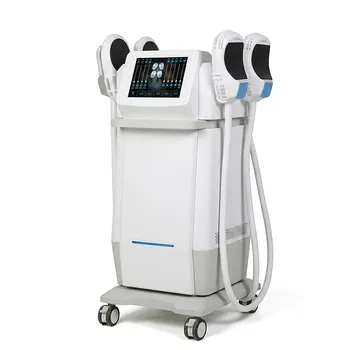
A grounding pad is required because monopolar RF needs a return path for its electrical current. The active handpiece electrode sends high-frequency current into the tissue, and the grounding pad, also called the return electrode, carries that current back to the generator. This completes the circuit and spreads the returning current over a large contact area, allowing controlled deep heating while reducing the risk of excessive heat or electrical injury at the exit point.
In monopolar RF, the grounding pad is not an optional accessory or merely a connection to earth ground. It is a large-area return electrode that completes the treatment circuit and helps control where heat is generated in the patient’s tissues.
How Monopolar RF Uses the Body as Part of the Circuit
The Active Electrode Sends Current Into Tissue
A monopolar RF handpiece contains one primary treatment electrode. It delivers high-frequency electrical energy into the skin and underlying tissues rather than passing current only between two closely spaced electrodes in the handpiece.
The tissue becomes part of the electrical path. Current travels from the active electrode through the treatment area toward the return electrode.
The Grounding Pad Completes the Circuit
The grounding pad is connected to the RF generator and placed in firm contact with the patient’s skin, often on a body area away from the treatment site.
It receives the current after it has passed through the tissues and returns it to the generator. Without this completed loop, the device cannot operate as designed.
“Grounding” Does Not Necessarily Mean Earth Grounding
In clinical use, the term grounding pad is common, but return pad or dispersive electrode is technically more precise.
Its primary role is to provide a controlled electrical return path. It is not simply a safety ground that diverts current into the floor or building electrical system.
Why the Pad’s Large Surface Area Matters
It Lowers Current Density
The active treatment electrode is relatively small, so the RF current is concentrated there. That concentration produces the localized resistive heating needed for tissue treatment.
The return pad is deliberately much larger. Spreading the returning current over this broad area lowers the current density at the point where energy leaves the body.
It Reduces Heating at the Exit Site
Lower current density helps prevent excessive heat from developing under the pad. This is essential because a small or poorly contacting return area could concentrate energy and cause pain, skin heating, or a burn.
The pad must therefore remain fully and evenly attached to the skin during treatment.
It Helps Make Heating More Predictable
The active electrode and the large return pad establish the intended direction and distribution of current through the body. This supports the controlled, large-volume heating characteristic of monopolar RF systems.
The actual depth and heating pattern depend on the specific device, frequency, electrode design, power settings, tissue properties, and treatment technique.
How the Pad Enables Deep Tissue Heating
Current Travels Through Deeper Tissue
Because the active and return electrodes are separated by part of the body, the electrical field can extend beyond the immediate surface beneath the handpiece.
This allows monopolar RF systems to heat deeper dermal and subcutaneous structures than systems whose electrodes are positioned close together.
Heat Supports Tissue Remodeling
The resulting thermal effect can stimulate tissue remodeling processes, including fibroblast activity and collagen contraction or restructuring.
This is the basis for the intended tightening effect. The grounding pad does not create the tightening itself; it enables the circuit configuration that allows the device to deliver energy to the target tissues.
Treatment Control Still Requires Monitoring
A grounding pad does not make treatment automatically safe. Proper contact, appropriate power, continuous handpiece movement where required, and temperature monitoring remain important.
Devices with contact sensors may stop RF delivery if the treatment head loses adequate contact, helping reduce the risk of arcing or localized overheating.
Understanding the Trade-Offs
Poor Pad Contact Can Concentrate Energy
Wrinkles, lifting edges, trapped air, hair, moisture, or inadequate adhesion can reduce the effective contact area of the return pad.
That increases current density and may produce localized heating, discomfort, or a burn beneath the pad.
An Incorrect Pad Location Can Affect the Circuit
The pad should be positioned according to the device manufacturer’s instructions, with full skin contact and a suitable path through the body.
Improvised placement or placing the pad over unsuitable tissue can alter the current distribution and compromise treatment safety.
A Pad Cannot Compensate for Incorrect Settings
Excessive power, prolonged exposure to one area, inadequate coupling medium where required, or failure to monitor skin temperature can still cause thermal injury.
The pad completes the circuit, but safe treatment also depends on the complete operating protocol.
Device-Specific Instructions Take Priority
Monopolar RF platforms differ in electrode design, frequencies, output controls, sensing systems, and pad requirements.
The manufacturer’s instructions determine the approved pad type, placement, preparation, and operating limits. These instructions should be followed by appropriately trained operators.
Making the Right Choice for Your Goal
The key is to treat the grounding pad as a functional part of the RF delivery system, not as a secondary safety accessory.
- If your primary focus is electrical safety: Ensure the approved return pad has full, uniform skin contact before and throughout energy delivery.
- If your primary focus is treatment effectiveness: Use the manufacturer-specified pad placement and settings so the intended current path and heating pattern are maintained.
- If your primary focus is preventing burns: Monitor pad contact, handpiece contact, movement, and skin temperature, and stop treatment if unusual pain or excessive heat occurs.
- If your primary focus is clinical compliance: Follow the device manual and applicable professional protocols because pad requirements vary between monopolar RF platforms.
Understanding the grounding pad as the circuit’s return electrode makes its necessity clear: it enables controlled monopolar RF treatment while helping prevent dangerous energy concentration at the current’s exit point.
Summary Table:
| Aspect | Role of Grounding Pad |
|---|---|
| Circuit Completion | Provides return path for RF current, completing the electrical circuit. |
| Current Density | Large surface area spreads returning current, reducing density and heat at exit site. |
| Deep Heating | Enables current to travel through deeper tissue, allowing volumetric heating. |
| Safety | Prevents burns by ensuring even current distribution and reducing risk of hot spots. |
Ensure the safety and efficacy of your monopolar RF treatments with BELIS's cutting-edge aesthetic devices. Our systems are designed with advanced sensor technology and comprehensive training support to minimize risks and maximize results. Whether you're a clinic or premium salon, our portfolio includes the latest in RF, laser, and body sculpting technologies. Contact us today to discover how BELIS can enhance your practice's capabilities and patient satisfaction. Get in touch with our experts.
Related Products
- Ultrasonic Cavitation Radiofrecuency Machine for Body Slimming
- Ultrasonic Cavitation Machine Lipo Laser Device
- Clinic Use IPL SHR ND YAG Laser Hair Removal RF Skin Tightening Machine
- RF Microneedling Machine Micro Needle Radio Frequency Machine
- 4D 12D HIFU Machine Device for Skin Tightening and Lifting
People Also Ask
- What are the pros and cons of the ultrasonic cavitation slimming treatment? A Guide to Painless Body Contouring
- Does an ultrasonic cavitation machine also tighten the skin? Achieve Total Body Contouring with RF Synergy
- How does radiofrequency technology in slimming machines promote fat reduction? The Science of Non-Invasive Sculpting
- How should one prepare for an ultrasonic cavitation appointment? 5 Essential Tips for Maximum Fat Loss Results
- What areas of the body are targeted for ultrasonic cavitation? Best Zones for Effective Body Contouring