Non-surgical aesthetics lead on volume because they remove the biggest barriers to treatment: cost, risk, recovery time, and commitment. The market reference reports more than 8.4 million non-surgical procedures annually, compared with approximately 1.7 million surgical operations. Aesthetic clinics should respond with a phased equipment strategy centered on versatile, evidence-supported devices that enable high throughput, repeat visits, and complementary treatment plans.
The winning strategy is not to replace surgery, but to build a high-utilization non-surgical platform around it. Prioritize versatile body contouring, skin tightening, facial care, and hair-removal technologies, then invest further only when demand, clinical evidence, staff capability, and payback are demonstrated.
Why Non-Surgical Treatments Generate More Market Volume
Lower financial barriers
Surgical procedures generally require greater financial commitment, more extensive clinical infrastructure, and longer recovery. Non-surgical treatments can be offered at lower price points, allowing more patients to enter the market.
During economic uncertainty, patients often defer expensive surgery while continuing to pursue smaller, more affordable aesthetic improvements.
Minimal downtime expands the addressable market
Many non-surgical treatments allow patients to return to work or daily activities quickly. This makes them more practical for professionals, parents, and patients unwilling to accept the recovery period associated with surgery.
Shorter downtime also increases the number of appointments a clinic can schedule and reduces the psychological barrier to booking treatment.
Repeat treatments create recurring demand
Surgery is typically episodic, while many non-surgical treatments are delivered as a series or maintenance program. This applies to skin tightening, body contouring, laser hair reduction, resurfacing, and facial care.
The result is a more predictable relationship between the patient and the clinic, with opportunities for follow-up treatments, maintenance plans, and complementary services.
Younger patients enter earlier
Non-surgical aesthetics attract younger demographics, particularly for maintenance-oriented treatments such as laser hair removal, skin conditioning, and early skin tightening.
This gives clinics the opportunity to establish relationships before patients consider more intensive interventions later in life.
Treatments address different problems than surgery
Surgery can reposition or remove tissue, but it does not stop biological aging. Dynamic muscle movement, gradual volume loss, pigmentation, and superficial texture changes can continue after an operation.
Non-surgical technologies therefore serve both as standalone treatments and as maintenance tools before or after surgery.
What This Means for an Aesthetic Clinic’s Investment Strategy
Build around utilization, not novelty
The most important investment question is not whether a device is technologically advanced. It is whether the device can be used frequently, safely, and profitably across a sufficiently large patient base.
A clinic should evaluate expected appointment volume, treatment frequency, consumable costs, staffing requirements, pricing, and realistic payback before purchasing equipment.
Start with versatile platforms
Equipment versatility can reduce initial capital expenditure and shorten the payback period. A platform capable of supporting multiple functions—such as cleansing, transdermal delivery, and anti-aging care—may serve more patient segments than a single-purpose device.
Versatility is valuable when it reflects genuine clinical use and compatible hardware, not simply a long list of marketing claims.
Prioritize high-demand treatment categories
A practical equipment portfolio should cover several complementary demand areas:
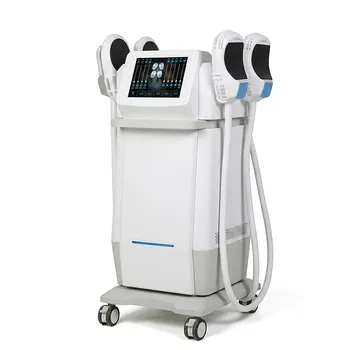
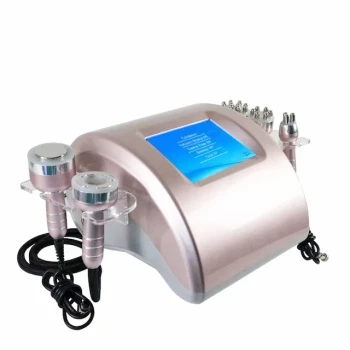
- Body sculpting: RF cavitation, cryolipolysis, and EMS-based systems.
- Skin tightening: HIFU and microneedle RF platforms.
- Facial care: Hydrafacial-style systems, skin analyzers, and microdermabrasion equipment.
- Hair reduction: Professional diode laser systems with appropriate cooling and skin-type protocols.
- Surface and texture improvement: Fractional laser and other resurfacing technologies, where clinical capability and demand justify the investment.
These categories support different patient goals while creating opportunities to combine treatments into structured care pathways.
A Practical Equipment Portfolio
Phase One: Establish a broad non-surgical base
The first phase should focus on devices that address common concerns and can support repeat treatment programs. Facial care, skin analysis, body contouring, and hair reduction are often useful foundations because they appeal to different age groups and treatment motivations.
A broad base also reduces dependence on one procedure category or one patient demographic.
Phase Two: Add higher-value tightening and resurfacing
Once the clinic has demonstrated demand and built a reliable patient flow, it can consider HIFU, microneedle RF, fractional lasers, or other advanced energy-based systems.
These technologies may increase average treatment value, but they also require stronger practitioner training, more careful patient selection, and more rigorous safety protocols.
Phase Three: Integrate surgical and non-surgical care
Dermatology and cosmetic surgery practices can use non-surgical systems to complement physician-led treatment. Devices can support preoperative preparation, postoperative maintenance, surface restoration, and ongoing skin-health programs.
This integrated model helps the clinic retain patients between major procedures rather than treating surgery as the end of the relationship.
How to Evaluate Equipment Before Buying
Verify clinical evidence, not only compliance
A CE mark or similar compliance marking indicates that a product meets applicable baseline requirements, but it does not by itself prove strong clinical efficacy or fully characterize side effects.
Clinics should seek evidence that includes clinical studies, standardized adverse-event reporting, published technical or physicochemical data, and clear treatment protocols.
Assess reproducibility and operator requirements
A device should produce consistent outcomes across appropriately trained practitioners. Clinics should examine how much results depend on operator technique, patient selection, treatment settings, and maintenance.
The supplier should also provide meaningful practitioner training rather than a brief product demonstration.
Calculate total cost of ownership
The purchase price is only one component of the investment. The financial assessment should include:
- Installation and servicing.
- Consumables and disposable components.
- Software or licensing fees.
- Training and staff time.
- Room utilization.
- Downtime for maintenance.
- Insurance and compliance requirements.
- Marketing and patient education costs.
A lower-priced device can become expensive if it has poor reliability, limited support, or weak patient demand.
Match equipment to the clinic’s existing workflow
A device should fit the clinic’s rooms, staffing model, booking system, and patient journey. Equipment that creates complex scheduling or requires highly specialized staffing may remain underused even if its clinical capabilities are strong.
The best purchase is usually the one that can be integrated into existing workflows with minimal friction.
Turning Equipment into Predictable Revenue
Design treatment packages around patient goals
Patients often understand goals such as “smoother skin,” “reduced hair,” or “body contouring” more readily than individual technologies. Clinics should organize services around clinically appropriate treatment plans rather than selling machines as isolated products.
Packages can combine assessment, treatment sessions, maintenance, and follow-up while preserving transparent expectations.
Use cross-referral between services
A patient receiving laser hair reduction may later seek skin analysis or facial care. A patient undergoing body contouring may become interested in skin tightening or maintenance treatments.
This cross-service model increases the value of each patient relationship without requiring every patient to undergo surgery.
Use factual marketing
Marketing should present realistic outcomes, treatment limitations, expected session numbers, and potential side effects. Clear before-and-after documentation and patient guides can communicate value without creating misleading expectations.
Scientific publications, conference participation, and professional association membership can further support credibility among patients seeking medically responsible care.
Understanding the Trade-offs
Non-surgical does not mean risk-free
Energy-based treatments can produce adverse effects when devices are misused, contraindications are overlooked, or patients are poorly selected. Non-invasive procedures still require medical judgment, standardized protocols, informed consent, and appropriate follow-up.
The clinic must avoid presenting them as universally safe or suitable for every patient.
High volume can create operational pressure
The commercial advantage of non-surgical treatments depends on efficient scheduling and consistent delivery. High appointment volume can expose weaknesses in staffing, maintenance, documentation, and quality control.
Investment should therefore include training, operating procedures, and capacity planning—not just the device itself.
Versatility can be overstated
A multi-function platform is not automatically better than several focused systems. A device with many nominal applications may perform each function less effectively, or its additional features may never generate meaningful demand.
Clinics should verify which functions are clinically validated, commercially relevant, and supported in their market.
Surgery remains important
Non-surgical procedures do not replace surgery for every concern. Significant tissue excess, advanced laxity, or structural issues may require surgical intervention.
The strongest clinic strategy is often a continuum of care in which non-surgical services attract patients, maintain results, and support surgical offerings where appropriate.
Results and payback are not guaranteed
Demand projections can be overly optimistic, especially when based on supplier claims or temporary trends. A clinic should model conservative utilization and confirm local willingness to pay before committing to major capital expenditure.
How to Apply This to Your Project
Aesthetic clinics should use a staged, evidence-led process rather than buying multiple devices at once.
- If your primary focus is fast patient acquisition: Prioritize accessible, low-downtime services such as facial care, diode laser hair reduction, and entry-level skin treatments that appeal to younger and maintenance-focused patients.
- If your primary focus is recurring revenue: Invest in treatment categories that naturally require courses or maintenance, including skin tightening, body contouring, hair reduction, and ongoing facial-care programs.
- If your primary focus is premium treatment value: Add clinically supported HIFU, microneedle RF, fractional laser, or comparable advanced systems after confirming demand and practitioner capability.
- If your primary focus is a dermatology or surgical practice: Use non-surgical devices to complement medical treatment, maintain postoperative results, and keep patients engaged between major procedures.
- If your primary focus is capital efficiency: Begin with versatile, compatible platforms and expand only when utilization, outcomes, and payback meet predefined targets.
- If your primary focus is clinical reputation: Select equipment supported by robust clinical evidence, transparent safety data, standardized protocols, and comprehensive practitioner training.
The most resilient aesthetic clinics treat equipment as part of a measured clinical business system: evidence creates trust, utilization creates return, and integrated care creates long-term patient value.
Summary Table:
| Factor | Non-Surgical | Surgical |
|---|---|---|
| Cost | Lower entry | High entry |
| Downtime | Minimal | Extensive |
| Repeat Visits | Frequent | Rare |
| Patient Base | Younger, broader | Older, niche |
| Risk | Lower | Higher |
| Volume | High | Low |
| Main Advantage | Accessibility, recurrence | Definitive results |
Invest in high-demand non-surgical equipment to boost your clinic's growth. With BELIS's advanced aesthetic devices, you can offer versatile treatments, increase patient volume, and enhance profitability. Contact us today to build your winning portfolio!
Related Products
- Cryolipolysis Fat Freezing Machine with Cavitation and Laser Lipolysis
- Cryolipolysis Fat Freezing Machine and Ultrasonic Cavitation Device
- EMSlim Neo Nova Body Sculpting EMS Sculpting Machine
- 12D HIFU Machine Device for Facial HIFU Treatment
- 22D HIFU Machine Device Facial Machine
People Also Ask
- What are the main benefits of using a fat freezing machine? Achieve Permanent, Non-Surgical Body Sculpting
- What are the potential side effects and risks associated with fat freezing? Safety Profile & Rare Risks Explained
- Do fat freezing machines really work? Achieve Non-Invasive Body Contouring
- What is the treatment principle of cryolipolysis fat freezing? Science-Backed Fat Reduction and Body Contouring
- What maintenance and service aspects are important when purchasing a fat freezing machine? Maximize ROI & Reliability