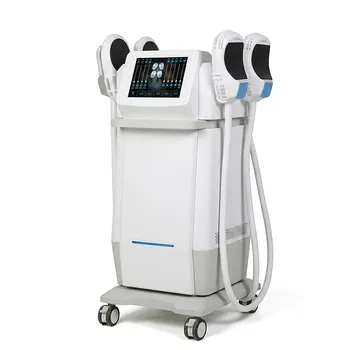
The strongest candidates for monopolar RF are the middle and lower face with combined superficial and deeper laxity. Monopolar radiofrequency generally produces its best clinical response in Type AB laxity, where both the skin and underlying subcutaneous tissues are loose. Anatomically, the midface and lower face tend to improve more than the upper neck, with reported improvement of up to approximately 65% and 58% at six months, respectively.
Monopolar RF is best suited to mild-to-moderate, combined cutaneous and subcutaneous laxity—especially in the midface, melolabial region, jowls, and lower face. It is less predictable when laxity is confined primarily to deep subcutaneous tissues or is severe.
Which Laxity Pattern Responds Best?
Type AB: Combined Skin and Subcutaneous Laxity
Type AB laxity is the most favorable pattern. It includes looseness in the superficial skin and dermis together with laxity in deeper subcutaneous supporting structures.
Monopolar RF can heat both levels. This produces contraction of dermal collagen while also affecting deeper fibrous septae that help support and contour the facial tissues.
Type B: Predominantly Deep Subcutaneous Laxity
Type B laxity responds less reliably. In this pattern, looseness is concentrated mainly in the deeper subcutaneous tissues, with relatively less superficial skin laxity.
Although monopolar RF penetrates more deeply than many surface-based treatments, its clinical benefit is generally lower when the main problem is substantial deep-tissue descent rather than combined skin and connective-tissue laxity.
Mild-to-Moderate Laxity Is More Treatable
Monopolar RF is generally most appropriate for mild-to-moderate laxity, fine lines, and early loss of firmness. It is not a direct substitute for surgical lifting when there is extensive tissue descent or pronounced excess skin.
Which Facial Regions Respond Best?
Middle Face
The middle face is among the strongest treatment areas. This region often contains responsive adipose-associated fibrous septae, allowing RF to influence both superficial collagen and deeper connective-tissue structures.
Potential treatment zones include the cheeks, midface, and areas around the melolabial folds when laxity is appropriate for non-surgical treatment.
Lower Face and Jowls
The lower face also responds particularly well. The jowls and adjacent lower-face tissues may benefit when laxity involves both the skin envelope and underlying subcutaneous support.
RF may improve firmness and contour, but the degree of lifting depends on the amount and type of tissue descent. Pronounced jowling or heavy excess skin may exceed the practical effect of a non-invasive procedure.
Melolabial Region
The melolabial folds may improve when they are partly caused by generalized skin and soft-tissue laxity. However, RF does not directly replace lost volume, so folds caused primarily by structural volume loss may require a different treatment strategy.
Upper Face and Eyelids
The forehead, brow region, and eyelids can be treated in selected circumstances, but they are not the areas identified as having the strongest long-term response in the primary evidence.
Treatment near the eyelids also requires careful device selection, energy control, and anatomical expertise because the tissue is thin and the eyes are vulnerable to thermal injury.
Upper Neck
The upper neck generally shows less improvement than the midface and lower face. This does not mean it cannot respond, but the expected degree or durability of tightening may be lower.
Neck laxity may also reflect factors such as platysmal changes, fat distribution, or substantial tissue descent—problems that monopolar RF alone may not fully correct.
Why the Midface and Lower Face Respond Better
RF Targets More Than the Surface Skin
Monopolar RF generates heat within the dermis and subcutaneous tissues rather than acting only on the epidermal surface. The intended effect is immediate collagen contraction followed by longer-term remodeling and new collagen production.
This makes the treatment more relevant to combined laxity than procedures that affect only the outermost skin.
Fibrous Septae Provide a Responsive Target
The mid- and lower-face tissues contain adipose-associated fibrous septae that can contract in response to controlled thermal exposure. These structures help connect and support the skin and subcutaneous tissues.
The relatively greater presence of these treatment-responsive structures helps explain the stronger observed response in the middle and lower face compared with the upper neck.
Results Develop Over Time
Some tightening may appear immediately because heated collagen fibers contract. The more meaningful remodeling response develops gradually as fibroblast activity and new collagen formation continue.
Patients should therefore assess results over several months rather than judging the outcome immediately after treatment.
Understanding the Trade-offs
RF Tightens; It Does Not Remove Excess Tissue
Monopolar RF can improve firmness and mild laxity, but it does not excise redundant skin or reposition significantly descended facial tissues. Severe laxity may require a surgical consultation rather than repeated RF treatments.
Deep Laxity May Limit the Outcome
When the primary problem is isolated deep subcutaneous laxity, RF may produce only modest visible improvement. A careful assessment is needed to determine whether the issue is skin laxity, fat distribution, ligamentous descent, muscle-related change, or volume loss.
Treatment Suitability Depends on Skin Quality
Severe solar elastosis, obesity, fluctuating weight, and chronic corticosteroid or NSAID use may reduce the predictability of healing or remodeling responses. These factors do not automatically prohibit treatment, but they can make outcomes less consistent.
Treatment Area and Device Settings Matter
“Monopolar RF” describes an energy-delivery category, not one identical treatment. Applicator design, temperature control, treatment depth, energy settings, and operator technique influence both safety and results.
Safety Still Requires Anatomical Expertise
RF generally spares the epidermis and has a lower risk of post-inflammatory hyperpigmentation than many laser treatments, including across Fitzpatrick skin types. Nevertheless, excessive heat or poor technique can cause burns, so facial and periocular treatment should be performed by an appropriately trained clinician.
Making the Right Choice for Your Goal
The most useful decision is to match the treatment to the actual source and distribution of laxity.
- If your primary focus is midface or cheek laxity: Monopolar RF is most promising when the laxity is mild-to-moderate and involves both the skin and deeper fibrous tissues.
- If your primary focus is lower-face laxity or jowls: RF may improve early or moderate tissue looseness, but substantial jowling or excess skin may require a more lifting-oriented treatment.
- If your primary focus is isolated deep subcutaneous laxity: Expect a less predictable response because Type B laxity is not the pattern that responds best to monopolar RF.
- If your primary focus is upper-neck laxity: RF can be considered, but the expected improvement is generally lower than for the midface and lower face.
- If your primary focus is severe sagging or redundant skin: Seek an assessment for alternatives, since monopolar RF is better suited to tightening than to removing or repositioning large amounts of tissue.
In practical terms, monopolar RF works best when there is treatable laxity in both the skin and its supporting subcutaneous structures, particularly across the middle and lower face.
Summary Table:
| Facial Region | Best Laxity Type | Expected Improvement | Notes |
|---|---|---|---|
| Middle Face | Type AB (combined skin + subcutaneous) | Up to 65% | Strongest response due to fibrous septae |
| Lower Face & Jowls | Type AB (combined) | Up to 58% | Good for mild-to-moderate laxity |
| Melolabial Region | Type AB with structural support | Variable | Not for volume loss |
| Upper Face & Eyelids | Selected cases | Lower | Requires expertise and careful energy control |
| Upper Neck | Type AB or B | Lower than mid/lower face | Less predictable |
Ready to see if monopolar RF is your best solution for facial tightening? At BELIS, we offer advanced monopolar RF devices designed for professional medical aesthetic clinics and premium salons. Our technology targets both skin and subcutaneous tissues to deliver effective midface and lower-face tightening. Contact us today to schedule a consultation and discover how our cutting-edge RF systems can enhance your practice and achieve outstanding patient outcomes. Get in touch with our experts now!
Related Products
- Ultrasonic Cavitation Radiofrecuency Machine for Body Slimming
- Clinic Use IPL SHR ND YAG Laser Hair Removal RF Skin Tightening Machine
- Ultrasonic Cavitation Machine Lipo Laser Device
- 4D 12D HIFU Machine Device for Skin Tightening and Lifting
- 4D 12D HIFU Machine Device for Skin Tightening
People Also Ask
- What are the pros and cons of the ultrasonic cavitation slimming treatment? A Guide to Painless Body Contouring
- Does an ultrasonic cavitation machine also tighten the skin? Achieve Total Body Contouring with RF Synergy
- How does radiofrequency technology in slimming machines promote fat reduction? The Science of Non-Invasive Sculpting
- How should one prepare for an ultrasonic cavitation appointment? 5 Essential Tips for Maximum Fat Loss Results
- What areas of the body are targeted for ultrasonic cavitation? Best Zones for Effective Body Contouring