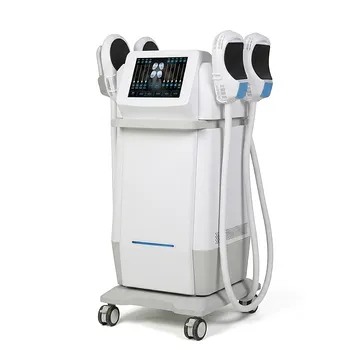
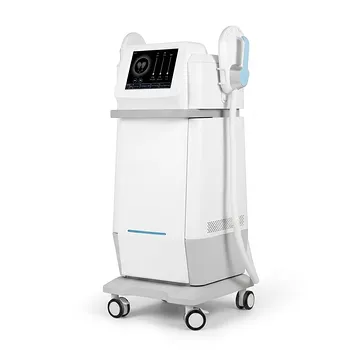
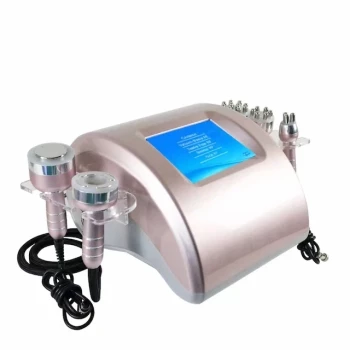
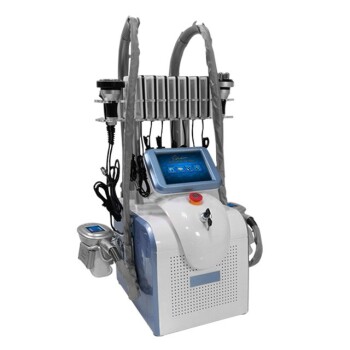
Non-invasive body sculpting devices primarily use controlled cooling, radiofrequency, focused ultrasound, or laser energy to reduce localized subcutaneous fat without surgery. The appropriate technology depends on the target tissue, treatment objective, and patient anatomy. Candidate selection should focus on localized fat, skin quality, medical suitability, and realistic expectations—not simply body weight or BMI.
Non-invasive contouring is intended for modest, gradual reshaping of localized fat deposits, not general weight loss. The safest selection process matches the device’s mechanism and tissue depth to a patient whose primary concern is excess fat rather than severe skin laxity.
The Primary Technology Modalities
Cryolipolysis: Controlled Cooling
Cryolipolysis applies controlled cooling to a selected fat fold, triggering fat-cell apoptosis while preserving surrounding tissues when used appropriately.
It is best suited to pinchable, localized subcutaneous fat and requires assessment of skin integrity, tissue thickness, and sensitivity to cold.
Radiofrequency: Thermal Fat Reduction and Tightening
Radiofrequency, or RF, delivers thermal energy into the dermal and subcutaneous layers. Depending on the system, it may support lipolysis, collagen contraction, and skin tightening.
RF can be particularly useful when a patient has both localized fat and mild-to-moderate laxity. It is not a substitute for surgical excision when excess skin is substantial.
Focused Ultrasound: Targeted Acoustic Energy
High-intensity focused ultrasound, or HIFU, concentrates acoustic energy at selected tissue depths to produce thermal or mechanical disruption of localized fat.
Other ultrasound systems, including lower-frequency or cavitation-oriented platforms, may also target adipose tissue through acoustic effects. The clinic should verify the device’s intended mechanism, treatment depth, and authorized indications rather than treating all ultrasound systems as interchangeable.
Laser Technology: Wavelength-Specific Heating
Laser body-contouring systems use selected wavelengths of light to heat targeted adipose tissue. Their clinical effect depends on the wavelength, applicator design, treatment depth, and energy delivery profile.
Laser systems should therefore be evaluated according to their specific protocol and tissue target, not simply categorized as generic “laser fat reduction.”
Related Modalities in Multi-Technology Platforms
Some platforms incorporate low-level laser therapy or electromagnetic muscle stimulation alongside fat-reduction technologies. These may address adjacent goals, such as muscle activation or overall contour appearance, but they should not automatically be presented as equivalent to cryolipolysis, RF, ultrasound, or laser adipose treatment.
How Clinics Should Evaluate Patient Candidates
Confirm the Patient Has a Localized Fat Concern
The ideal candidate generally has localized fat pockets that persist despite diet and exercise, such as abdominal, flank, back, or thigh fat.
The consultation should determine whether the visible concern is truly subcutaneous fat or instead reflects loose skin, cellulite, asymmetry, muscle contour, or another structural issue.
Assess Skin Elasticity and Laxity
Skin quality is as important as fat volume. Adequate elasticity allows the treated area to conform more favorably as fat volume decreases.
When severe laxity or redundant skin is the dominant concern, fat reduction alone may produce little improvement or make skin redundancy more apparent. Such patients may require a skin-tightening approach or referral for surgical evaluation.
Evaluate Tissue Depth and Treatability
The practitioner should assess whether enough accessible subcutaneous tissue is present for the selected applicator or energy modality.
For cryolipolysis, this includes evaluating the size and quality of the fat fold. For RF and ultrasound, the relevant questions include target depth, tissue thickness, and the system’s approved treatment parameters.
Review Medical History and Device-Specific Contraindications
A standardized medical history should identify conditions that could increase risk with cooling, heating, acoustic energy, or electromagnetic stimulation.
Screening should include local skin integrity, cold hypersensitivity where relevant, systemic conditions sensitive to thermal or cold exposure, medications or medical devices that may affect treatment safety, and any contraindications specified by the device manufacturer and applicable regulations.
Establish Realistic Expectations
Patients should understand that body sculpting is not systemic weight loss and generally produces gradual, modest contour changes.
The consultation should explain the expected treatment area, likely treatment course, timing of visible changes, potential need for multiple sessions, and the difference between reducing a localized fat pocket and changing overall body weight.
Consider Overall Body Composition Without Using BMI Alone
Patients closer to their desired body weight and with localized fat deposits are often better candidates than patients seeking broad weight reduction.
BMI may provide context, but it should not be the sole eligibility criterion. Patients with obesity or diffuse adiposity may need weight-management support or surgical consultation rather than isolated non-invasive contouring.
How Clinics Should Document and Measure Outcomes
Use Anatomical Measurements
Overall weight and BMI are poor standalone measures of a localized contouring result. Clinics should record consistent anatomical measurements, such as waist or thigh circumference, and may include skinfold thickness where appropriate.
Measurements must be taken at the same anatomical sites before and after treatment to support meaningful comparison.
Standardize Photography
Before-and-after photographs should use consistent camera position, lighting, distance, posture, clothing, and background.
Without standardization, changes in lighting, body position, or perspective can create misleading impressions of improvement or failure.
Record Baseline Anatomy and Treatment Parameters
The patient record should document the treatment area, tissue characteristics, skin quality, relevant asymmetries, device settings, applicator selection, treatment duration, and pre- and post-treatment instructions.
This information helps the clinic evaluate efficacy, investigate adverse events, and refine future treatment planning.
Match the Modality to the Clinical Objective
For Localized Fat Reduction
Cryolipolysis, focused ultrasound, laser, and selected RF systems may be appropriate when the primary problem is a discrete subcutaneous fat pocket.
The choice should be based on tissue accessibility, depth, treatment area, device mechanism, and patient tolerance.
For Fat Reduction With Mild Skin Tightening
RF may be preferable when localized fat is accompanied by reduced skin firmness, because it can address thermal remodeling in addition to adipose treatment.
The expected degree of tightening must remain realistic. Significant loose skin is generally beyond the capability of non-invasive fat reduction alone.
For Muscle-Contour Objectives
Electromagnetic muscle stimulation platforms may be considered when the treatment goal includes muscle activation or muscular contouring.
These systems should be assessed separately from fat-reduction technologies so that patients understand what each modality is intended to accomplish.
Understanding the Trade-offs
Non-Invasive Does Not Mean Risk-Free
These procedures avoid incisions and typically involve less downtime than surgery, but they can still cause discomfort, temporary sensory changes, skin reactions, or other device-specific adverse effects.
Clinics must maintain appropriate staff training, informed consent, emergency procedures, and follow-up protocols.
Results Are Usually Gradual and Limited
Non-invasive contouring is designed for localized improvement, not dramatic body transformation. Patients expecting major weight loss, extensive skin removal, or surgical-level reshaping are poor candidates.
Some Outcomes Depend Heavily on Anatomy
A device may perform appropriately yet produce an unsatisfactory result if the patient has insufficient target fat, severe laxity, marked asymmetry, or a contour problem unrelated to adipose tissue.
Good screening prevents the clinic from treating the wrong anatomical problem.
Technology Claims Are Not Interchangeable
Different devices within the same category can vary in energy delivery, applicator design, treatment depth, regulatory clearance, and clinical protocol.
Clinics should evaluate the specific platform and its labeling rather than relying on broad claims about a modality.
Making the Right Choice for Your Goal
A structured consultation should connect the patient’s objective to the appropriate treatment pathway.
- If your primary focus is localized fat reduction: Select patients with discrete, pinchable fat pockets, suitable tissue depth, adequate skin quality, and realistic expectations for gradual contour improvement.
- If your primary focus is skin laxity: Determine whether RF or HIFU may provide an appropriate tightening effect, and refer for surgical assessment when redundant skin is substantial.
- If your primary focus is overall weight loss: Do not position non-invasive sculpting as a weight-management treatment; address systemic weight concerns through appropriate medical or nutritional pathways.
- If your primary focus is objective clinical outcomes: Use standardized measurements, photographs, treatment records, and consistent follow-up rather than relying on scale weight alone.
- If your primary focus is clinic safety: Apply device-specific contraindication screening, document informed consent, and use protocols matched to the technology’s mechanism and treatment depth.
The right candidate is not simply the patient with the most fat, but the patient whose anatomy, expectations, and clinical goals match the device’s actual capabilities.
Summary Table:
| Modality | Mechanism | Best for | Candidate Consideration |
|---|---|---|---|
| Cryolipolysis | Controlled cooling | Pinchable, localized fat | Adequate fat fold, cold sensitivity screening |
| Radiofrequency (RF) | Thermal energy for lipolysis & skin tightening | Fat with mild laxity | Skin quality, tolerance to heat |
| Focused Ultrasound (HIFU) | Targeted acoustic energy | Localized fat at specific depths | Depth of fat, pain tolerance |
| Laser | Wavelength-specific heating | Targeted adipose tissue | Skin type, treatment area |
Ready to elevate your clinic's body sculpting offerings? Partner with BELIS for professional-grade medical aesthetic equipment trusted by clinics and premium salons worldwide. Our advanced portfolio includes the latest cryolipolysis, RF, HIFU, and laser systems, ensuring you have the right technology for every candidate. As an OEM/ODM leader, we offer exceptional profit margins, full certifications, and reliable supply to help your business thrive. Contact our experts today to discuss your needs and find the perfect solutions for your practice.
Related Products
- EMS Body Sculpting Machine for Body Slimming and Sculpting
- EMS Body Sculpting Slimming Machine EMSlim Body Slimming Machine
- EMSlim Neo Nova Body Sculpting EMS Sculpting Machine
- EMSlim Body Slimming Machine for Muscle Building and Beauty
- EMSlim RG Laser Body Sculpting and Slimming Machine
People Also Ask
- Does EMS sculpting really work? Achieve Clinically-Proven Body Contouring
- Why is it important for practitioners to avoid over-promising body sculpting results? Ensure Trust and Clinic Success.
- What are the technical advantages of professional body sculpting? Non-Invasive vs. Invasive Liposuction Explained
- Does EMS actually work for weight loss? A Realistic Look at Muscle Building and Metabolism
- What patient selection criteria and evaluation protocols should aesthetic clinics implement to optimize outcomes with non-invasive body sculpting devices?