The best candidates for non-invasive body sculpting are generally adults with a stable, healthy-weight profile, localized pockets of subcutaneous fat, adequate skin elasticity, and realistic expectations. Clinics should not use BMI as the sole eligibility test, but patients with a BMI of 18.5–24.9 and treatment-resistant fat deposits in areas such as the abdomen, flanks, thighs, or back are typically the strongest candidates. Patients with obesity, significant skin laxity, insufficient tissue, hernias, relevant medical conditions, or expectations of major weight loss may require a different treatment strategy or surgical consultation.
Non-invasive body sculpting is a contouring procedure, not a weight-loss treatment. Reliable outcomes depend on matching the patient and target tissue to the device, excluding safety risks, documenting a consistent baseline, and evaluating gradual changes with objective measurements rather than weight alone.
Define the Appropriate Treatment Goal
Use body contouring, not weight loss, as the indication
The consultation should establish that the patient wants localized shape refinement, not substantial overall weight reduction. Non-invasive devices produce modest, gradual changes and are not substitutes for nutrition, exercise, obesity treatment, or bariatric care.
A patient seeking a dramatic reduction in body size may be poorly matched to the procedure. When obesity is present, particularly at a BMI above 30, clinicians should consider medical or surgical referral rather than presenting localized treatment as a comprehensive solution.
Identify resistant, localized fat deposits
The target should be a discrete pocket of subcutaneous fat that persists despite appropriate diet and exercise. Common areas include the abdomen, flanks, thighs, and back.
A hands-on physical assessment is essential. The clinician should confirm that the visible contour is caused by treatable adipose tissue rather than edema, muscle anatomy, loose skin, a hernia, or another structural issue.
Assess skin quality and tissue elasticity
Fat reduction alone may leave notably lax skin appearing looser. Clinics should evaluate skin turgor, elasticity, and the degree of laxity before selecting a treatment plan.
Patients with substantial excess skin may be better suited to surgical excision. Where appropriate, a skin-tightening modality such as RF or HIFU may be considered, but the expected degree of tightening must be described accurately.
Establish Safety Before Treatment
Take a complete medical history
The pre-treatment assessment should review relevant cardiac, pulmonary, bleeding, vascular, systemic, and medication-related conditions. The clinician should also document prior procedures, allergies or sensitivities, current symptoms, and any factors that could affect healing or treatment tolerance.
The medical history must be adapted to the device. Cooling-based treatments require screening for cold hypersensitivity and local tissue suitability, while RF, ultrasound, and laser systems require assessment of conditions sensitive to thermal or acoustic energy.
Examine the treatment area
Clinicians should assess skin integrity, tissue thickness, local sensation, scars, inflammation, infection, and structural abnormalities. Hernias or other non-adipose causes of contour changes should be ruled out before treatment.
The target must contain enough accessible subcutaneous tissue for the selected applicator or energy delivery method. Areas with insufficient fat, including some calves or very lean anatomical regions, may not provide a meaningful or safe treatment target.
Match the patient to the device
Different technologies act through different mechanisms:
- Cryolipolysis: controlled cooling intended to affect localized subcutaneous fat.
- Radiofrequency: thermal energy that may support fat reduction and tissue tightening.
- Focused ultrasound: targeted acoustic energy used to disrupt or heat selected tissue.
- Laser systems: light energy used to heat targeted adipose tissue.
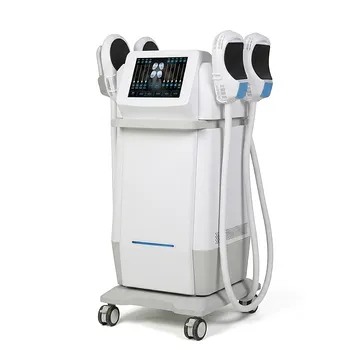
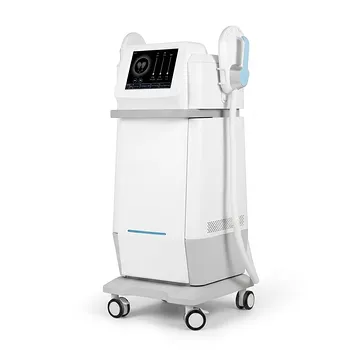
- EMS-based systems: energy-driven muscle stimulation that may address muscle tone and body contouring rather than simply reducing fat.
The protocol should specify why the selected modality fits the target depth, tissue characteristics, and patient goals. Device-specific contraindications, applicator requirements, and manufacturer instructions must be followed.
Evaluate Psychological Readiness and Expectations
Confirm internally driven motivation
The clinician should determine whether the decision is based on the patient’s own stable goals. Treatment should be reconsidered when the patient expects it to resolve a relationship problem, major life crisis, or broader dissatisfaction that the procedure cannot address.
The consultation should also assess whether the patient understands the gradual nature of the result and is prepared to maintain relevant lifestyle habits after treatment.
Explain achievable outcomes and limitations
Patients should receive clear written and visual information about the likely degree, timing, and limits of improvement. They should understand that results vary and that treatment does not guarantee symmetry, eliminate all fat, or remove stretch marks.
Clinicians should refuse or defer treatment when expectations cannot realistically be met. A patient who expects a surgical-level transformation is not an appropriate candidate for a modest, non-invasive contouring procedure.
Document the consultation
The record should include the patient’s stated goals, examined treatment areas, relevant medical history, contraindication screening, selected device and rationale, expected time course, limitations, and agreed follow-up plan.
When appropriate, involving a support person in the discussion can help reinforce realistic expectations. The patient’s consent should still reflect the patient’s own informed decision.
Build a Standardized Evaluation Protocol
Record baseline body measurements
Clinics should document precise measurements at defined anatomical landmarks. Depending on the treatment area, these may include waist, hip, thigh, or other relevant circumferences.
Skinfold thickness measurements can provide additional information about localized adipose tissue. The same examiner, equipment, anatomical sites, and technique should be used whenever possible.
Use standardized photography
Before-and-after photographs should be taken with consistent camera positioning, distance, angle, lighting, background, clothing, and patient posture. Images should capture the same views at baseline and follow-up.
Photographs are useful only when conditions are controlled. Changes in lighting, posture, abdominal contraction, or camera perspective can create misleading impressions of improvement or deterioration.
Add a clinical grading scale
A standardized visual or clinical grading scale can complement measurements and photographs. The scale should be defined in advance and applied consistently by trained staff.
Patient-reported satisfaction and symptom assessments should also be recorded, but they should supplement objective evaluation rather than replace it.
Avoid relying on BMI or weight alone
Overall weight and BMI may remain unchanged even when a localized contour changes. Conversely, weight loss from diet or exercise can be incorrectly attributed to the device if it is not documented separately.
The outcome assessment should therefore combine anatomical measurements, skinfold data where relevant, standardized photographs, clinical grading, and the patient’s reported experience.
Define follow-up points
Because non-invasive fat reduction is gradual, the clinic should set follow-up points appropriate to the modality and treatment plan. Each visit should repeat the same measurement and photography protocol.
The record should distinguish expected temporary effects, such as transient discomfort or sensory changes, from findings requiring further assessment. Protocols should also address adverse events, including prolonged neuropathy or unexpected adipose changes.
Align Documentation With Quality and Safety
Use trained operators
Staff should understand the device mechanism, treatment parameters, applicator placement, tissue selection, patient preparation, and management of expected adverse effects. Training should be specific to the equipment in use.
A clinic should not assume that regulatory or compliance marking alone demonstrates clinical effectiveness. Devices should be supported by credible clinical evidence, transparent adverse-event reporting, relevant technical data, and appropriate practitioner training.
Standardize treatment delivery
The treatment record should identify the device, applicator or modality, target zone, settings, treatment duration, number of sessions, operator, and any deviations from protocol. Consistency is necessary for comparing outcomes across patients and across treatment sessions.
The clinic should also define pre- and post-treatment instructions, expected recovery, contact procedures, and escalation pathways for concerning symptoms.
Protect patient privacy
Photographs and measurements are clinical records and should be stored, accessed, and shared according to applicable privacy requirements. Written consent should cover clinical documentation and any separate use of images for education or marketing.
Understanding the Trade-offs
Normal BMI improves fit but does not guarantee success
A normal BMI is a useful general indicator of patient selection, but it does not confirm adequate fat thickness, skin quality, or psychological readiness. A patient within the normal range may still have an unsuitable target or unrealistic expectations.
Patients outside the normal BMI range are not automatically ineligible, but the clinic should assess whether localized contouring is an appropriate and proportionate intervention. The primary reference population should not be treated as an absolute rule for every patient.
Non-invasive treatment has limits
These procedures generally involve lower downtime than surgery, but they also provide less dramatic contour change. Multiple sessions, gradual improvement, and incomplete correction may be part of the expected course.
Treating a patient who needs major fat removal or skin excision can lead to dissatisfaction even when the device performs as intended. The limitation is often a mismatch between the procedure and the clinical goal.
More than one modality may be needed
A patient may have both localized fat and skin laxity. Fat reduction alone may not address the full contour problem, while adding a tightening modality introduces additional treatment considerations, cost, and potential adverse effects.
Combination treatment should be based on a documented anatomical rationale rather than the assumption that more technology automatically produces a better result.
Poor measurement consistency undermines trust
Inconsistent landmark selection, lighting, posture, or camera distance can make results impossible to interpret. This creates avoidable disputes and may lead clinicians or patients to draw incorrect conclusions about efficacy.
A standardized protocol is therefore not administrative overhead. It is part of the clinical quality system.
Making the Right Choice for Your Goal
A clinic can apply the framework through a documented, repeatable intake and follow-up pathway.
- If your primary focus is patient safety: Complete a medical and device-specific contraindication assessment, examine the target area for hernias or abnormal tissue, and use trained operators with defined adverse-event protocols.
- If your primary focus is predictable outcomes: Select patients with localized, palpable subcutaneous fat, adequate skin quality, and goals consistent with gradual contouring rather than weight loss.
- If your primary focus is objective efficacy evaluation: Record standardized anatomical measurements, skinfold thickness where appropriate, clinical grades, and controlled photographs at baseline and follow-up.
- If your primary focus is patient satisfaction: Assess motivation, explain realistic benefits and limitations in writing, document consent, and defer treatment when expectations cannot be met.
- If your primary focus is equipment selection: Prioritize devices with credible clinical evidence, standardized side-effect reporting, relevant technical data, and comprehensive practitioner training rather than relying on compliance marking alone.
A disciplined selection and evaluation protocol makes non-invasive body sculpting safer, more measurable, and more consistent with what the technology can realistically achieve.
Summary Table:
| Criteria | Key Points |
|---|---|
| Treatment goal | Body contouring, not weight loss |
| Ideal candidate | BMI 18.5-24.9, localized fat, good skin elasticity |
| Contraindications | Obesity, excessive skin laxity, hernias, certain medical conditions |
| Evaluation | Standardized measurements, photos, skinfold thickness, clinical grading |
| Follow-up | Gradual changes, multiple sessions, objective assessment |
Elevate your clinic's body contouring results with BELIS's advanced non-invasive devices. Our portfolio includes cryolipolysis, RF, HIFU, EMSlim, and more, designed for safe and effective treatments. Contact us today to learn how we can help you achieve superior patient outcomes and grow your business. Contact BELIS
Related Products
- EMS Body Sculpting Machine for Body Slimming and Sculpting
- EMS Body Sculpting Slimming Machine EMSlim Body Slimming Machine
- EMSlim Neo Nova Body Sculpting EMS Sculpting Machine
- EMSlim Body Slimming Machine for Muscle Building and Beauty
- EMSlim RG Laser Body Sculpting and Slimming Machine
People Also Ask
- Does EMS sculpting really work? Achieve Clinically-Proven Body Contouring
- Why is it important for practitioners to avoid over-promising body sculpting results? Ensure Trust and Clinic Success.
- What are the technical advantages of professional body sculpting? Non-Invasive vs. Invasive Liposuction Explained
- Does EMS actually work for weight loss? A Realistic Look at Muscle Building and Metabolism
- How do the mid-infrared transmission spectra of fatty tissue and lipids assist in understanding selective targeting for body sculpting devices like cryolipolysis and RF cavitation? Mid-infrared spectra reveal lipid-specific markers, aiding tissue characterization.