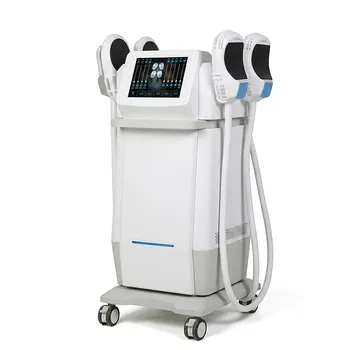
Clinics should evaluate post-sale manufacturer support as carefully as the equipment itself. The essential services are clinical operator training, responsive technical assistance, dependable access to maintenance parts and consumables, and practical marketing support. For laser systems and other complex devices, the purchase agreement should also define warranty coverage, high-wear component replacement, post-warranty repairs, and maintenance obligations.
The best manufacturer is not simply the one offering the most advanced device. It is the one that can help your team operate it safely, keep it available for patients, and build a sustainable service around it over time.
Why Post-Sale Support Determines Equipment Value
Equipment quality is only part of the investment
Aesthetic equipment generates value only when it is used safely, consistently, and frequently enough to support the clinic’s goals. Poor training, delayed repairs, or unavailable consumables can reduce utilization and undermine the expected return on investment.
Downtime has clinical and commercial consequences
A device that is unavailable can force cancellations, disrupt treatment plans, and damage patient confidence. Reliable support reduces the operational risk associated with owning specialized equipment.
Manufacturer engagement should continue beyond installation
The relationship should not end when the device is delivered. Clinics should look for a manufacturer with a structured support model that continues through training, maintenance, troubleshooting, upgrades, and service growth.
What Support Should Manufacturers Provide?
Thorough clinical operator training
Training should cover device operation, treatment protocols, safety procedures, contraindications, patient assessment, and basic troubleshooting. It should be delivered to the relevant clinical staff rather than limited to a single purchaser or administrator.
Manufacturers should clarify whether training is provided during installation, whether additional staff can be trained later, and whether refresher sessions are available as the clinic’s team changes.
Responsive technical support
Clinics should have a clear route for reporting technical problems and obtaining help. Support terms should identify contact methods, operating hours, expected response times, escalation procedures, and the availability of remote or on-site assistance.
Technical support is particularly important for systems involving lasers, optics, cooling systems, or sophisticated software. A vague promise of “full support” is less useful than measurable service commitments.
Reliable parts and consumables supply
The manufacturer should be able to provide essential consumables and maintenance parts throughout the expected service life of the device. Supply reliability matters because even a functioning device may become unusable when a required consumable or replacement part is unavailable.
Clinics should ask about standard lead times, regional inventory, compatible replacement parts, and how pricing may change after the initial warranty period.
Clear warranty coverage
The contract should state the warranty period, what labor and travel costs are included, and which components are excluded. For medical laser systems, clinics should examine coverage for high-wear parts such as flash lamps, optical cables, lenses, and mirrors.
The agreement should also explain how failures are assessed, how quickly repairs are initiated, and whether a replacement or loan device is available during extended downtime.
Defined maintenance arrangements
Preventive maintenance can help identify problems before they interrupt treatment services. Manufacturers should specify recommended service intervals, inspection procedures, calibration requirements, and the responsibilities of the clinic and service provider.
If an Annual Maintenance Contract is available, its terms should be reviewed in detail. The clinic should understand exactly what the AMC includes, which parts remain chargeable, and how emergency repairs are handled.
Marketing and patient-acquisition support
A manufacturer may provide launch materials, patient education resources, campaign templates, staff sales training, or guidance on positioning the new treatment. This support can help clinics communicate responsibly with prospective patients.
Marketing assistance should support accurate treatment expectations and comply with applicable advertising and professional requirements. It should not encourage claims that the device or treatment cannot substantiate.
What Should the Purchase Contract Specify?
Expected breakdown scenarios
The agreement should address likely failure conditions and the process for diagnosing them. This reduces uncertainty when a device stops working and prevents avoidable disputes over whether a repair is covered.
Replacement component costs
Clinics should request current pricing or a defined pricing framework for major replacement components. Optical spare parts and post-warranty repairs can be expensive, so these costs should be included in the ownership calculation before purchase.
Service response and restoration expectations
A contract should distinguish between acknowledging a service request, diagnosing the fault, dispatching a technician, and restoring the device to working order. These are different stages and should not be treated as a single generic response promise.
Ownership and service responsibilities
The clinic should know which maintenance tasks its staff may perform and which require an authorized technician. The agreement should also state whether using third-party service providers or parts affects warranty coverage.
Electrical protection requirements
Sensitive electrical and optical components can be affected by voltage fluctuations. Installing an Uninterrupted Power Supply (UPS) is strongly recommended where appropriate, and the manufacturer should identify any power-quality or installation requirements needed to protect the device.
Understanding the Trade-offs
A lower purchase price may create higher ownership costs
A cheaper device may appear attractive if the initial quote is the main comparison point. However, expensive parts, limited technical coverage, costly travel, or unreliable consumable supply can make the total cost of ownership significantly higher.
Broad warranty language may conceal exclusions
Statements such as “comprehensive warranty” do not establish what is actually covered. Clinics should examine exclusions for wear items, optical components, accidental damage, calibration, software, labor, and travel.
Marketing support cannot replace clinical capability
Promotional assistance may help generate demand, but the clinic still needs trained staff, suitable treatment protocols, informed consent processes, and the capacity to manage complications. Demand-generation support is valuable only when the clinic can deliver the service responsibly.
Extended contracts require proportional value
An AMC or premium support package can provide predictability, but it may not be cost-effective for every device or clinic. Compare the contract price with expected repair frequency, component costs, response requirements, and the financial impact of downtime.
Making the Right Choice for Your Goal
The right support package depends on the clinic’s risk tolerance, technical resources, treatment volume, and growth plans.
- If your primary focus is patient safety: Prioritize comprehensive operator training, protocol guidance, preventive maintenance, and clearly defined technical escalation procedures.
- If your primary focus is minimizing downtime: Prioritize guaranteed response times, local technician availability, replacement-device provisions, and reliable access to critical parts.
- If your primary focus is predictable costs: Prioritize detailed warranty coverage, transparent high-wear component pricing, and an AMC with clearly defined inclusions and exclusions.
- If your primary focus is launching a new service: Prioritize staff training, patient education materials, compliant marketing support, and guidance for positioning the treatment accurately.
- If your primary focus is protecting the equipment: Prioritize documented installation and power requirements, appropriate UPS protection, authorized maintenance, and a long-term parts supply commitment.
A well-supported device protects clinical standards, operating continuity, and the clinic’s ability to turn its equipment investment into dependable patient value.
Summary Table:
| Support Area | Key Considerations |
|---|---|
| Clinical Training | Comprehensive coverage of operation, safety, protocols, and troubleshooting for all relevant staff. |
| Technical Support | Clear channels, response times, escalation procedures, and on-site/remote availability. |
| Parts & Consumables | Reliable supply, lead times, regional inventory, pricing for high-wear items. |
| Warranty Coverage | Defined period, inclusions/exclusions, high-wear components (e.g., flash lamps), travel costs. |
| Maintenance & AMC | Scheduled preventive maintenance, inspection procedures, AMC terms, and repair response. |
| Marketing Support | Launch materials, patient education, campaign templates, and responsible positioning. |
Ensure your clinic maximizes every equipment investment with reliable support. BELIS offers professional-grade aesthetic devices (lasers, IPL, PDT, HIFU, body sculpting, and more) backed by comprehensive post-sale support: thorough training, responsive technical assistance, genuine parts, clear warranties, and practical marketing help. Protect your uptime and patient safety—contact our team today to discuss your needs and see how BELIS supports your success.
Related Products
- Cryolipolysis Fat Freezing Machine and Ultrasonic Cavitation Device
- Tri Laser Diode Hair Removal Machine Professional Beauty Equipment
- 22D HIFU Machine Device Facial Machine
- Hydrofacial Machine Facial Clean Face and Skin Care Machine
- Hydrofacial Machine with Facial Skin Analyzer and Skin Tester
People Also Ask
- What are the main benefits of using a fat freezing machine? Achieve Permanent, Non-Surgical Body Sculpting
- What anatomical factors determine whether a patient with submental fullness should be treated with cryolipolysis fat-reduction devices versus energy-based skin tightening modalities?
- What are the potential side effects and risks associated with fat freezing? Safety Profile & Rare Risks Explained
- What are the technical advantages of using lower temperatures and shorter durations in cryolipolysis fat reduction?
- What are the core differences in mechanism and clinical application between cryolipolysis and thermal modalities like radiofrequency and ultrasound for non-invasive body contouring?