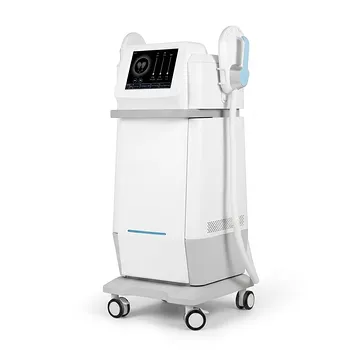
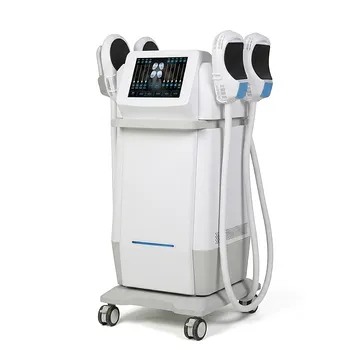
Practitioners should select patients with stable weight, localized cellulite or subcutaneous fat, adequate tissue thickness, and realistic expectations. Before treatment, screen for pregnancy, active infection, significant scarring, implanted electronic devices, thromboembolic history, severe systemic illness, unstable weight, and other modality-specific risks. Operationally, use documented baseline measurements and photographs, appropriate coupling media, continuous handpiece movement, conservative device settings, and a planned course of multiple sessions.
The safest protocol is not simply “apply energy and treat.” It begins with distinguishing cellulite reduction from fat reduction, confirming that the patient is an appropriate candidate, excluding contraindications, and explaining that results are gradual and moderate rather than equivalent to weight loss or surgery.
Start With the Correct Treatment Objective
Cellulite reduction is not general weight loss
Radiofrequency, diode laser, infrared light, vacuum suction, and mechanical rollers are used primarily to improve the appearance of cellulite, skin texture, and localized contour irregularities.
They do not treat systemic obesity and should not be presented as substitutes for nutrition, exercise, or medically indicated weight-management care.
Localized contouring is different from cellulite treatment
Some devices also target localized subcutaneous fat. The appropriate patient generally has a discrete, pinchable fat deposit rather than generalized obesity, with sufficient tissue thickness for the specific device.
A clinical pinch test showing approximately 1.5 cm or more of tissue thickness may be used as a practical selection criterion for some fat-reduction applications, but practitioners must follow the device’s intended use and manufacturer instructions.
Confirm the treatment zone
Common areas include the thighs, buttocks, abdomen, flanks, back, submental region, and neck, depending on the technology and regulatory authorization.
Examine the area for hernias, open wounds, infection, significant laxity, abnormal masses, prominent scars, or other conditions that could make treatment inappropriate.
Select Patients Who Are Most Likely to Benefit
Stable body weight is more important than a single BMI value
The strongest candidates have maintained a relatively stable weight and are seeking refinement of a localized area. Unstable weight fluctuations can obscure treatment results and reduce the value of before-and-after comparisons.
BMI can provide general context, but it is not sufficient for judging a localized contouring indication. Circumference, skinfold thickness, tissue quality, and the actual treatment target are more useful.
Prefer non-obese patients with localized concerns
Non-invasive body sculpting is generally best suited to patients with localized, stubborn fat deposits or moderate cellulite rather than generalized obesity.
Patients with very high BMI may require a structured weight-management plan or surgical consultation instead of, or before, non-invasive contouring.
Assess skin elasticity and laxity
Good or moderate skin elasticity supports a more uniform contour after treatment. Severe laxity, extensive stretch-related changes, or massive recent weight loss may produce limited or uneven cosmetic improvement.
Practitioners should explain when the principal problem is excess skin rather than cellulite or localized fat. Energy-based fat reduction will not reliably correct substantial skin redundancy.
Confirm realistic expectations
Appropriate candidates understand that treatment usually produces gradual, moderate improvement in cellulite appearance or localized circumference.
Patients seeking dramatic weight loss, a surgical-level result, immediate correction, or guaranteed symmetry should not proceed without careful expectation management.
Confirm willingness to complete a treatment course
These procedures commonly require multiple visits. The primary protocol describes 8 to 16 sessions scheduled two to three times weekly, subject to the specific device, treatment indication, and manufacturer’s instructions.
A patient who is unwilling or unable to complete the recommended course may not be an appropriate candidate.
Screen for Contraindications Before Every Treatment Plan
Absolute or strong exclusions
Do not treat over or near an area with an active local infection, open wound, or significant untreated inflammation.
Other major exclusions include:
- Pregnancy
- Implanted pacemakers or other electronic devices, particularly where the modality may interfere with device function
- Severe or debilitating systemic disease
- Unstable or rapidly changing body weight
- A history of thromboembolic events, where the planned treatment or mechanical manipulation could create unacceptable risk
- Significant untreated vascular or circulatory disease
- Unrealistic expectations that cannot be corrected through counseling
The precise exclusion list depends on the technology. The device’s current instructions for use and applicable clinical regulations take precedence over a generic protocol.
Treatment-zone exclusions
Avoid treatment over:
- Active infection or inflammation
- Significant scarring or compromised tissue
- Structural abnormalities or suspected hernia
- Areas with unexplained masses
- Skin that cannot tolerate the intended mechanical, thermal, or optical exposure
A scar is not automatically a permanent contraindication in every modality, but treatment over scarred or structurally altered tissue requires specific risk assessment.
Medical conditions requiring additional assessment
Use heightened caution, referral, or medical clearance for patients with:
- Uncontrolled diabetes
- Uncontrolled hypertension
- Cardiovascular or pulmonary disease
- Vascular disease or prior thrombosis
- Bleeding disorders or anticoagulant use
- Compromised liver or kidney function
- Poor wound healing or impaired sensation
- Significant systemic illness
These factors do not have the same significance for every non-invasive device. They should be assessed in relation to the treatment mechanism, treatment area, and patient’s overall medical status.
Do not transfer contraindications between technologies without verification
A contraindication relevant to injection lipolysis, laser-assisted procedures, or surgery may not apply identically to external RF, vacuum, infrared, or mechanical-roller treatment.
Conversely, an external device may have specific restrictions involving implanted electronics, thermal sensitivity, tissue integrity, or mechanical manipulation. Practitioners must use modality-specific screening, not a one-size-fits-all checklist.
Establish a Documented Baseline
Record objective measurements
Before the first session, document the relevant treatment-zone measurements, such as:
- Waist or thigh circumference
- Skinfold thickness
- Tissue thickness or pinch-test findings
- Degree and distribution of visible cellulite
- Skin laxity and elasticity
- Relevant symptoms or pre-existing conditions
Use the same anatomical landmarks and measurement method at follow-up.
Take standardized photographs
Photographs should use consistent lighting, distance, camera angle, posture, clothing, and positioning.
This is essential because subtle changes in lighting, muscle contraction, hydration, or posture can otherwise be mistaken for treatment results.
Document the consultation
The record should include:
- Medical history and medication review
- Pregnancy status where relevant
- Relevant vascular, cardiac, pulmonary, bleeding, and thromboembolic history
- Examination of the treatment area
- Device and handpiece used
- Treatment parameters and duration
- Coupling medium or lubricant used
- Patient tolerance and observed skin response
- Aftercare instructions and follow-up plan
For invasive or laser-assisted procedures, additional laboratory or medical evaluation may be required. Those requirements should not automatically be imposed on every non-invasive body-sculpting session.
Apply a Consistent Operational Protocol
Prepare the skin and handpiece
Use the coupling medium specified for the device. The primary protocol identifies conductive gel or mineral oil to facilitate smooth handpiece movement, depending on the technology and applicator.
The skin should be clean, intact, and free from products that could interfere with energy delivery or mechanical contact.
Maintain continuous movement
For handheld RF, light-based, vacuum, or roller systems, keep the handpiece moving continuously across the treatment area when required by the device protocol.
Stationary application can concentrate energy and increase the risk of thermal hot spots, discomfort, or localized skin injury.
Use the manufacturer’s treatment parameters
Practitioners should follow the approved settings for:
- Energy or intensity
- Temperature or thermal endpoint
- Vacuum pressure
- Roller speed and direction
- Treatment duration
- Treatment-area size
- Session frequency
- Maximum cumulative exposure
Do not increase settings merely because a patient wants faster results. More energy or suction does not necessarily produce a better cosmetic outcome.
Monitor the patient throughout treatment
Assess patient comfort continuously and inspect the skin during and after treatment.
Stop or modify treatment if there is excessive pain, unusual burning, marked erythema, blistering, abnormal swelling, bruising beyond the expected response, or any unexpected symptom.
Plan the complete course in advance
A typical course may involve 8 to 16 sessions, two to three times per week, but the exact schedule must be adapted to the technology, treatment area, skin response, and manufacturer’s protocol.
Reassess periodically rather than automatically repeating treatment. Continue only when the patient is tolerating the procedure and the anticipated benefit remains reasonable.
Communicate Benefits and Limitations Clearly
Set a realistic endpoint
The expected endpoint is usually improvement in the visual irregularity of cellulite, skin smoothness, or localized circumference—not major scale-weight reduction.
Results may be modest, gradual, and variable between patients.
Explain what the treatment will not correct
These technologies do not reliably eliminate:
- Generalized obesity
- Major excess skin
- Stretch marks
- All cellulite
- Structural deformities
- Every component of body-shape asymmetry
Patients should understand the difference between reducing the visibility of cellulite and removing fat tissue.
Discuss the need for maintenance and reassessment
Cellulite appearance is influenced by skin structure, connective tissue, fat distribution, weight changes, and aging. Even when improvement occurs, it may not be permanent.
Explain the expected follow-up process and avoid guaranteeing a specific degree or duration of improvement.
Understanding the Trade-offs
More aggressive treatment can increase risk
Higher energy, stronger suction, longer exposure, or excessive mechanical pressure may increase discomfort and adverse skin responses without producing proportionally better results.
A conservative, repeatable protocol is generally preferable to an aggressive session that compromises tissue safety.
Baseline measurements have limitations
Circumference can change because of posture, hydration, muscle tension, or measurement technique. Skinfold measurements also depend on operator consistency.
Use several assessment methods together rather than treating one number as definitive.
Device categories are not interchangeable
RF, diode laser, infrared light, vacuum suction, and mechanical rollers have different mechanisms and safety considerations.
A protocol developed for one device should not be copied onto another without confirming its intended use, parameters, contraindications, and training requirements.
Medical clearance is not a substitute for proper selection
A clearance letter does not make an unsuitable treatment target appropriate. Practitioners must still assess tissue thickness, skin quality, treatment-zone abnormalities, expectations, and the likelihood of completing the treatment course.
Making the Right Choice for Your Goal
The following approach keeps patient selection aligned with the actual purpose of treatment:
- If your primary focus is cellulite reduction: Select patients with moderate cellulite on the thighs or buttocks, stable weight, intact skin, and realistic expectations for gradual visual improvement.
- If your primary focus is localized fat reduction: Confirm a discrete, pinchable fat deposit with adequate tissue thickness and avoid presenting the procedure as general weight-loss treatment.
- If your primary focus is safety: Complete a medical and treatment-zone screening, exclude active infection, pregnancy, major systemic illness, relevant thromboembolic risk, and modality-specific contraindications before treatment.
- If your primary focus is measuring outcomes: Record standardized circumference and skinfold measurements and take consistent photographs before treatment begins.
- If your primary focus is operational consistency: Use the specified coupling medium, keep the handpiece moving, monitor skin response continuously, follow approved parameters, and schedule the full course according to the device protocol.
- If your primary focus is patient satisfaction: Explain that results are moderate and gradual, do not eliminate stretch marks or major laxity, and do not replace healthy weight management or surgery when those are clinically indicated.
Appropriate selection, disciplined screening, and consistent execution are the foundation of safe and credible body-sculpting outcomes.
Summary Table:
| Aspect | Key Points |
|---|---|
| Patient Selection | - Stable weight - Localized fat/cellulite - Adequate tissue thickness (≥1.5 cm pinch) - Realistic expectations - Willingness to complete multiple sessions |
| Contraindications | - Pregnancy - Active infection/wound - Implanted electronic devices - Thromboembolic history - Severe systemic illness - Unstable weight |
| Operational Protocols | - Document baseline measurements/photos - Use appropriate coupling medium - Continuous handpiece movement - Follow manufacturer settings - Monitor patient comfort/skin response - Plan 8-16 sessions, 2-3 times/week |
Elevate your aesthetic practice with BELIS's professional-grade body sculpting devices. From RF and EMSlim to Cryolipolysis and HIFU, our advanced technology is designed for clinics and premium salons. Ensure safe, effective treatments with our reliable equipment. Contact our experts today to find the perfect solution for your business. Contact us now
Related Products
- EMS Body Sculpting Machine for Body Slimming and Sculpting
- EMSlim RG Laser Body Sculpting and Slimming Machine
- EMSlim Body Sculpting Machine EMS Body Slimming Machine
- EMS Body Sculpting Slimming Machine EMSlim Body Slimming Machine
- Ultrasonic Cavitation Machine Lipo Laser Device
People Also Ask
- Does EMS sculpting really work? Achieve Clinically-Proven Body Contouring
- Why is it important for practitioners to avoid over-promising body sculpting results? Ensure Trust and Clinic Success.
- What are the technical advantages of professional body sculpting? Non-Invasive vs. Invasive Liposuction Explained
- Does EMS actually work for weight loss? A Realistic Look at Muscle Building and Metabolism
- What patient selection criteria and evaluation protocols should aesthetic clinics implement to optimize outcomes with non-invasive body sculpting devices?