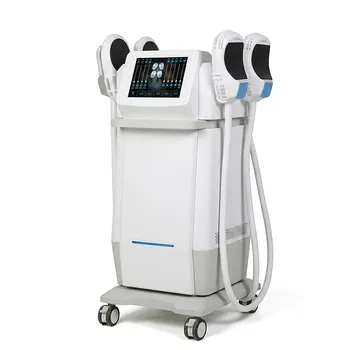
Combining multiple energy-based aesthetic devices requires deliberate separation of mechanisms, tissue depths, and treatment timing. Practitioners should choose modalities that address different causes of facial aging, such as superficial pigmentation, epidermal texture, dermal collagen loss, and subdermal laxity. The key parameters are each device’s mechanism of action, anatomical target layer, expected tissue response, treatment sequence, interval, and zone-specific settings.
The safest and most effective combination protocols are designed around complementary—not redundant—energy delivery. Devices may be layered in one session or staged over time, but the total thermal and inflammatory burden must remain controlled.
Start With the Clinical Problems
Separate Superficial and Structural Aging
Facial aging occurs across multiple layers. Epidermal photodamage, pigment irregularity, vascular changes, dermal collagen loss, and deeper tissue laxity cannot usually be corrected by one technology.
Superficial lasers, IPL, and resurfacing systems can refine pigmentation and texture. RF, infrared, or ultrasound devices can address dermal and subdermal heating, collagen remodeling, and laxity.
Match Each Device to a Specific Indication
A combination protocol should begin with the problems being treated rather than with the available equipment. Each modality should have a defined role, such as:
- Pigment or vascular irregularity: non-ablative light or laser treatment.
- Texture, scars, or fine rhytids: fractional laser or microneedle RF.
- Dermal laxity: controlled RF or infrared heating.
- Deeper lifting or subdermal tightening: focused ultrasound or another device designed for deeper tissue targets.
- Dynamic wrinkles: adjunctive botulinum toxin, when clinically appropriate.
The purpose of combining technologies is to cover complementary indications without repeatedly damaging the same tissue compartment.
Choose Complementary Mechanisms
Avoid Redundant Energy Delivery
The primary reference correctly emphasizes combining non-overlapping mechanisms of action. For example, adding multiple devices that produce similar thermal injury in the same layer may increase inflammation without providing a proportional clinical benefit.
A protocol may combine thermal and non-thermal effects, or use different forms of controlled heating that reach distinct depths. The rationale should be physiological and anatomical, not simply the number of devices used.
Distinguish Ablative, Non-Ablative, and Non-Thermal Effects
Fractional ablative lasers create controlled micro-injuries and tissue vaporization, producing resurfacing and dermal remodeling. Picosecond lasers use very short pulses and can target pigment or create photomechanical effects with a different injury profile.
RF, infrared, and ultrasound primarily rely on energy deposition and heating at selected tissue depths. Their inclusion should be evaluated against the resurfacing device’s expected inflammation and thermal load.
Consider the Total Tissue Burden
Each treatment contributes to the overall biological stress placed on the skin. The relevant question is not whether each device is individually safe, but whether their combined fluence, temperature, pulse duration, density, passes, and treatment area are appropriate.
A combination becomes less defensible when multiple modalities produce overlapping injury, heating, or inflammation in the same anatomical layer during the same visit.
Match Energy to Anatomical Depth
Treat the Epidermis and Papillary Dermis Separately
Surface-refining modalities are suited to epidermal photodamage, pigmentation, vascular irregularity, and superficial texture. Chemical peels may also improve epidermal brightness and texture, but they should be considered part of the total resurfacing burden when combined with energy-based devices.
Fractional treatments can extend into the papillary and reticular dermis to stimulate collagen remodeling. Their depth and density should be coordinated with any additional thermal treatment.
Address Dermal and Subdermal Laxity Independently
RF, infrared, and ultrasound technologies can target dermal or subdermal structures, depending on the device and applicator. Focused ultrasound is generally selected when the treatment goal involves deeper tissue lifting rather than surface refinement.
A superficial fractional laser and a deeper tightening device may be complementary because they act on different compartments. The protocol must still account for heat conduction and inflammation between layers.
Adjust Settings by Facial Zone
The face is not a uniform treatment surface. Eyelid and periorbital skin is thin and relatively vulnerable to edema, prolonged erythema, and scarring, while the cheeks and perioral region may tolerate different depths or thermal exposures.
Power, fluence, needle depth, treatment density, pulse parameters, and pass count should therefore be adjusted zone by zone. Deeper or more intensive treatment may be appropriate for thicker areas with pronounced rhytids, while delicate regions require more conservative settings.
Decide Whether to Layer or Stage Treatments
Layer in One Session Only With a Clear Rationale
Strategic same-session layering can address multiple tissue compartments efficiently. It may be reasonable when the modalities have distinct targets, the expected inflammatory response is manageable, and the sequence does not create excessive cumulative trauma.
Same-session treatment should not be justified solely by convenience. The clinician must evaluate whether the combined procedures increase edema, erythema, pain, barrier disruption, or the risk of pigmentary and scarring complications.
Stage Treatments When Inflammation May Accumulate
When procedures are expected to produce significant erythema or swelling, staging them at regular clinical intervals may be safer. This allows the skin to recover and gives the practitioner an opportunity to assess the response before adding another source of injury or heat.
The appropriate interval depends on the device, treatment intensity, tissue response, and patient risk factors. A fixed schedule should not replace clinical assessment of healing.
Sequence According to Tissue Access and Tolerance
Sequence should be based on the device’s target and the effect of earlier treatments on the skin barrier. A clinician should determine whether a procedure needs intact skin, whether it increases sensitivity to subsequent energy, and whether later heating could amplify inflammation from an earlier treatment.
The protocol should specify the order, settings, cooling strategy, and recovery criteria rather than simply listing the devices to be used.
Incorporate Patient and Skin Characteristics
Account for Skin Phototype and Pigment Risk
Darker or pigment-reactive skin may have a higher risk of post-inflammatory hyperpigmentation after inflammatory or thermal procedures. Treatment selection, energy settings, cooling, pre-treatment preparation, and staging decisions should reflect that risk.
The same device combination and parameters should not be applied uniformly across all patients.
Evaluate Baseline Barrier and Inflammation
Active irritation, impaired barrier function, recent aggressive resurfacing, or unresolved swelling can make additional energy treatment less predictable. The skin should be sufficiently recovered before another procedure is added.
Pre-treatment skin preparation and appropriate topical care can support results and reduce avoidable adverse effects, but they do not eliminate the need to control energy exposure.
Set Expectations Around Comprehensive Rejuvenation
Combining devices can improve several visible aspects of aging, but it does not guarantee correction of every structural problem. Deep laxity may respond incompletely to non-surgical treatment, and resurfacing cannot substitute for a surgical lift when the primary problem is substantial tissue descent.
Understanding the Trade-Offs
More Modalities Do Not Automatically Mean Better Results
A multi-device protocol can produce broader improvement than monotherapy when each treatment addresses a distinct mechanism or tissue depth. However, unnecessary overlap may increase downtime and adverse effects without improving the endpoint.
The measure of a successful combination is clinical complementarity, not procedural complexity.
Same-Session Efficiency Can Increase Risk
Layering treatments may reduce the number of visits, but it can also make it harder to identify which device caused an adverse response. Cumulative heat, edema, erythema, and barrier disruption may be greater than expected from any single treatment.
Staging is often preferable when the inflammatory burden is uncertain or when the patient has elevated risk for pigmentary change or delayed healing.
Deeper Treatment Requires Greater Anatomical Discipline
Energy delivered near the eyelids, periorbital region, or other thin areas requires conservative parameters and careful protection. Excessive depth, fluence, needle penetration, or pass count can produce uneven outcomes, prolonged inflammation, or scarring.
Anatomical mapping is therefore a core safety parameter, not an optional refinement.
Device Combinations Need Defined Endpoints
Protocols should establish what improvement is being pursued: pigment reduction, texture refinement, collagen remodeling, tightening, lifting, or wrinkle reduction. Without defined endpoints, practitioners may continue adding treatments without a clear basis for evaluating benefit against risk.
How to Apply This to Your Protocol
A practical protocol should document the indication, target layer, mechanism, settings, sequence, recovery status, and expected endpoint for every modality.
- If your primary focus is superficial photodamage: Pair a pigment or vascular-targeting light or laser treatment with carefully selected resurfacing, while controlling the total epidermal and dermal injury burden.
- If your primary focus is skin laxity: Use RF, infrared, or ultrasound according to the intended dermal or subdermal depth, and avoid adding redundant heating to the same compartment.
- If your primary focus is texture or scarring: Prioritize a fractional resurfacing approach and adjust density, depth, fluence, and passes by facial zone.
- If your primary focus is comprehensive rejuvenation: Combine modalities only when they address distinct mechanisms and layers, then choose same-session layering or staged treatment according to the expected inflammation and patient risk.
- If your primary focus is safety and predictable recovery: Use conservative zone-specific parameters, monitor tissue response, and allow adequate recovery before introducing additional energy.
The right combination protocol is a coordinated treatment plan in which every device has a distinct purpose, a defined anatomical target, and a controlled contribution to the patient’s total tissue burden.
Summary Table:
| Parameter | Description |
|---|---|
| Mechanism of Action | Choose devices with complementary, non-overlapping mechanisms (e.g., thermal vs. non-thermal). |
| Target Layer | Match device to epidermis, dermis, or subdermal structures; avoid redundant heating in same layer. |
| Treatment Depth | Adjust fluence, needle depth, and passes according to anatomical zone (e.g., eyelid thinner). |
| Sequence | Order based on tissue access, barrier disruption, and inflammation potential. |
| Interval | Layer same session only if low inflammatory burden; otherwise stage with adequate recovery. |
| Settings | Adjust density, fluence, pulse duration, and pass count per zone and patient. |
| Patient Factors | Consider skin phototype, pigment risk, baseline barrier, and healing capacity. |
| Endpoints | Define desired outcomes (pigment, texture, laxity) to evaluate risk-benefit. |
Need a tailored combination protocol for your clinic? BELIS offers professional-grade aesthetic devices (lasers, RF, HIFU, etc.) and OEM/ODM support. Contact our experts today to design a safe, effective multi-device treatment plan that meets your patients’ needs. Contact us | Explore Products | Request a Quote
Related Products
- Hydrofacial Machine Facial Clean Face and Skin Care Machine
- 22D HIFU Machine Device Facial Machine
- 4D 12D HIFU Machine Device for Skin Tightening and Lifting
- Hydrofacial Machine with Facial Skin Analyzer and Skin Tester
- Cryolipolysis Fat Freezing Machine and Ultrasonic Cavitation Device
People Also Ask
- What is the first step of a hydro-facial treatment? Master the Art of Professional Cleansing & Exfoliation
- What is a HydroFacial treatment? Discover the Secret to Instant, Radiant Skin with Vortex-Fusion Technology
- How are extractions performed with a hydro-facial machine? Discover the Power of Vacuum Suction & Nutrient Infusion
- How can a hydro-facial treatment be customized? Maximize Results with Tailored Professional Protocols
- What should be done if no water comes out from the handle tips of a hydro-facial machine? Expert Repair Guide