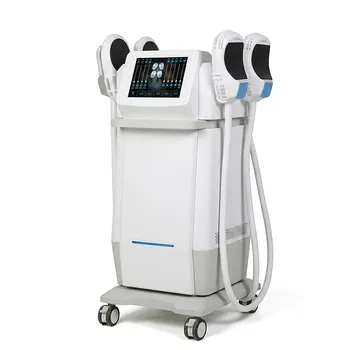
Use the SMART framework—Safety, Maintenance, Affirmation, Research, and Takeaway—to evaluate every new medical aesthetic device before purchase. Clinics should verify regulatory status and patient-safety mechanisms, assess service and ownership requirements, confirm real-world practitioner experience, review credible clinical evidence, and calculate the device’s strategic and financial value. This process applies to lasers, microneedle RF, radiofrequency, ultrasound, body-contouring systems, and other skin-rejuvenation technologies.
A device should not be purchased because it is popular or has a compliance marking alone. The strongest investment combines documented safety, dependable support, credible clinical evidence, and a realistic path to operational and financial value.
Why a Structured Evaluation Matters
Marketing claims are not clinical proof
A vendor’s demonstrations and promotional claims may show what a device is intended to do, but they do not establish consistent outcomes across patients, operators, and skin types.
Clinics need objective evidence, realistic treatment protocols, and long-term outcome data before committing capital.
Regulatory clearance is only one checkpoint
FDA clearance, CE marking, or another applicable regulatory authorization is important, but it should not be treated as proof of superior efficacy or a complete assessment of every potential side effect.
Operators should also review clinical studies, adverse-event reporting, practitioner training requirements, and post-market support.
Applying the SMART Evaluation Framework
1. Safety: Can the device be used responsibly?
Verify regulatory and licensing requirements
Confirm that the device has the regulatory approvals required in the clinic’s jurisdiction and that local rules permit the intended staff to operate it.
The clinic should also verify whether specific treatments require physician oversight, additional certification, or documented competency assessments.
Examine built-in safety mechanisms
Assess features such as integrated cooling, contact sensors, energy-delivery controls, emergency shutoffs, eye protection requirements, and treatment-depth or pulse-duration controls.
For laser, RF, and other energy-based devices, these mechanisms help reduce the risk of thermal injury, unintended tissue damage, and inconsistent energy delivery.
Evaluate the supplier and equipment condition
Purchase through a reputable manufacturer or authorized distributor whenever possible. Equipment from unverified secondary markets may have unknown service histories, improper storage exposure, missing components, or compromised internal systems.
Require hands-on training
Training should cover patient selection, contraindications, parameter selection, skin-type considerations, emergency procedures, cleaning, and routine quality checks.
A technically safe device can still produce preventable injuries if operators are inadequately trained.
2. Maintenance: Can the clinic keep it operational?
Assess service response and downtime risk
Ask how quickly the manufacturer or distributor responds to technical problems and whether on-site or remote support is available.
A device that cannot be used for days or weeks can disrupt appointments, revenue, patient continuity, and staff productivity.
Review warranty and service contracts
Compare warranty duration, included parts, labor coverage, preventive maintenance, software support, travel charges, and exclusions.
Determine whether a long-term service contract is mandatory, recommended, or available as an optional purchase.
Confirm parts and consumables availability
Identify the expected availability and cost of replacement handpieces, fibers, treatment tips, tubing, filters, cooling components, and other consumables.
A low purchase price may become unattractive if essential parts are expensive, proprietary, or difficult to obtain.
Check site requirements
Before purchase, confirm electrical requirements, room size, ventilation, cooling, storage, infection-control provisions, and any necessary ancillary equipment.
These requirements should be included in the implementation budget rather than discovered after delivery.
3. Affirmation: Do experienced practitioners support the device?
Seek independent practitioner feedback
Speak with established aesthetic providers who have used the same model for a meaningful period.
Ask about treatment consistency, patient satisfaction, learning curve, maintenance problems, consumable costs, and the manufacturer’s responsiveness after installation.
Request representative clinical cases
Review cases involving patient demographics, skin types, indications, treatment protocols, and follow-up periods similar to those in the clinic.
Before-and-after images should use consistent lighting, camera settings, positioning, and follow-up intervals.
Look for reproducible outcomes
The most useful affirmation is not a single impressive result. It is evidence that trained practitioners can repeatedly achieve acceptable outcomes across a range of appropriate patients.
4. Research: Is the technology scientifically supported?
Understand the mechanism of action
The clinic should understand how the device delivers energy and how that energy is expected to affect tissue.
Relevant technical factors may include wavelength specificity, pulse duration, energy output, spot size, treatment depth, scanner capability, RF delivery method, or ultrasound focusing.
Prioritize peer-reviewed clinical studies
Look for studies with clearly described patient populations, treatment protocols, objective outcome measures, adverse-event reporting, and meaningful follow-up.
Evidence is stronger when outcomes are assessed using standardized photography, validated scales, imaging, skin measurements, or other objective methods rather than testimonials alone.
Distinguish safety evidence from efficacy evidence
A regulatory clearance generally addresses whether a device meets specified requirements or is substantially equivalent for an intended use. It does not automatically prove that the device delivers superior or durable aesthetic results.
The clinic should therefore evaluate safety, efficacy, and durability as separate questions.
Evaluate long-term follow-up
Short-term improvement may not reveal delayed complications, recurrence, pigmentary changes, scarring, or the need for maintenance treatments.
Longer follow-up helps the clinic set accurate expectations and design responsible treatment protocols.
5. Takeaway: What is the device’s total business value?
Calculate total cost of ownership
The financial assessment should include more than the purchase price or monthly lease payment.
Account for:
- Staff training and implementation
- Service and maintenance contracts
- Consumables and disposables
- Ancillary cooling or testing equipment
- Room preparation and storage
- Software or subscription fees
- Financing or leasing costs
- Practitioner time and opportunity cost
- Marketing and patient-acquisition expenses
Build a realistic pro forma
Estimate expected treatment volume, pricing, utilization, cancellation rates, staffing requirements, and consumable costs.
A break-even target of approximately two years is a useful planning benchmark for many equipment acquisitions, although the appropriate target depends on the clinic’s risk tolerance, financing structure, and market conditions.
Assess versatility without overvaluing it
A platform that can treat multiple indications may improve utilization and reduce the need for separate devices.
However, versatility only creates value if the clinic has sufficient patient demand, trained operators, and credible clinical protocols for those applications.
Consider the acquisition model
Compare outright purchase, rental, lease, and lease-to-own arrangements.
The preferred model should align with expected patient volume, available capital, cash-flow needs, ownership objectives, and the likely pace of technological change.
Understanding the Trade-offs
Lower price can mean higher operational risk
A cheaper device may have higher consumable costs, weaker service coverage, limited training, or less reliable parts availability.
Evaluate the full ownership cost rather than comparing acquisition prices alone.
More features can increase complexity
Advanced parameter controls and multiple treatment modes may expand clinical capability, but they can also lengthen training and increase the risk of operator error.
Choose complexity that the clinic can use safely and consistently—not features that will remain largely unused.
Regulatory status does not guarantee commercial success
Even a compliant device may fail to generate adequate returns if patient demand is weak, treatment pricing is unrealistic, or the clinic cannot achieve sufficient utilization.
The business case must be based on the clinic’s actual market and operating capacity.
Evidence may not transfer perfectly
Clinical-study results may have been produced by highly experienced operators under controlled conditions.
Clinics should confirm that the treatment protocols, patient population, and expected outcomes are realistic for their own staff and patient base.
New technology carries adoption risk
Newer systems may offer meaningful improvements, but they may also have limited long-term data, uncertain resale value, or an immature service network.
Established technology with strong evidence may be a better choice when reliability and predictable utilization are the primary objectives.
Making the Right Choice for Your Goal
Use SMART as a documented due-diligence process, not as a final checklist completed after choosing a device.
- If your primary focus is patient safety: Verify regulatory and licensing requirements, inspect built-in safety controls, confirm equipment provenance, and require hands-on operator training.
- If your primary focus is treatment efficacy: Prioritize peer-reviewed studies, objective outcome measurements, standardized photography, adverse-event reporting, and meaningful long-term follow-up.
- If your primary focus is uptime: Compare warranty terms, service response times, preventive maintenance requirements, replacement-part availability, and consumable supply reliability.
- If your primary focus is financial return: Build a total-cost-of-ownership model using realistic treatment volume, pricing, staffing, consumables, and a defined break-even target.
- If your primary focus is clinic growth: Select a versatile platform only when its indications match documented patient demand, operator capability, and a credible expansion plan.
The right device is not simply the newest or most heavily marketed option; it is the one your clinic can operate safely, support reliably, validate clinically, and use profitably.
Summary Table:
| SMART Criterion | Key Considerations |
|---|---|
| Safety | Regulatory approvals, built-in safety mechanisms, device provenance, hands-on training |
| Maintenance | Service response, warranty terms, parts/consumables availability, site requirements |
| Affirmation | Independent practitioner feedback, representative clinical cases, reproducible outcomes |
| Research | Mechanism of action, peer-reviewed studies, safety vs efficacy evidence, long-term follow-up |
| Takeaway | Total cost of ownership, realistic pro forma, versatility assessment, acquisition model |
Elevate your clinic's standards with BELIS's professional-grade aesthetic devices, backed by rigorous safety, research, and support. Contact our experts today to schedule a consultation and discover how our portfolio—from lasers to body sculpting—can drive your practice's success. Get in touch now.
Related Products
- Cryolipolysis Fat Freezing Machine and Ultrasonic Cavitation Device
- Tri Laser Diode Hair Removal Machine Professional Beauty Equipment
- 22D HIFU Machine Device Facial Machine
- Hydrofacial Machine Facial Clean Face and Skin Care Machine
- Hydrofacial Machine with Facial Skin Analyzer and Skin Tester
People Also Ask
- What are the main benefits of using a fat freezing machine? Achieve Permanent, Non-Surgical Body Sculpting
- What anatomical factors determine whether a patient with submental fullness should be treated with cryolipolysis fat-reduction devices versus energy-based skin tightening modalities?
- What are the potential side effects and risks associated with fat freezing? Safety Profile & Rare Risks Explained
- What are the technical advantages of using lower temperatures and shorter durations in cryolipolysis fat reduction?
- What are the core differences in mechanism and clinical application between cryolipolysis and thermal modalities like radiofrequency and ultrasound for non-invasive body contouring?