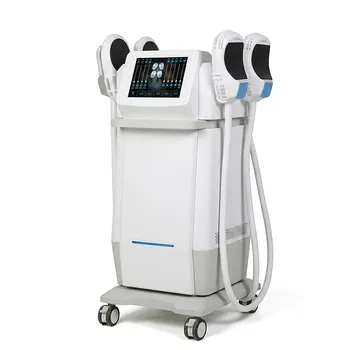
The essential progress-note elements are the patient’s clinical status, the exact device and settings used, the treatment area, safety measures, aftercare, photographs, and any adverse events. For lasers, RF, HIFU, and similar professional devices, document enough technical detail to identify precisely what was performed and enough clinical context to show why it was appropriate and how the patient responded. Requirements vary by jurisdiction and facility policy, so the note should also satisfy applicable medical-record, device-safety, and consent requirements.
A defensible energy-based aesthetic progress note connects the patient, indication, device, treatment parameters, safety precautions, clinical response, and follow-up plan. The record should allow another qualified practitioner to understand and reproduce the treatment protocol without relying on memory.
What the Progress Note Must Establish
Patient identity and treatment date
Record the patient’s name and a reliable identifier, such as date of birth or chart number, along with the date of treatment. Identify the treating practitioner and any assistants or supervising clinicians involved.
Diagnosis and treatment indication
Document the pre-treatment diagnosis, clinical indication, and specific procedure performed. The record should explain whether the treatment addressed hair removal, vascular lesions, resurfacing, skin rejuvenation, scarring, laxity, body contouring, or another defined indication.
Relevant medical and skin history
Include clinically relevant history that affects treatment risk or planning. Examples include skin phototype or tone, recent tanning or sun exposure, active skin disease, previous procedures, medication changes, topical irritant use, pregnancy or nursing status where relevant, and a history of herpes simplex infection when applicable.
Allergy status
Record the patient’s allergy status, including relevant medication, adhesive, topical anesthetic, or other treatment-related allergies. If no known allergies are reported, document that status according to the practice’s standard terminology.
How to Document Device Parameters Precisely
Device identification
Record the manufacturer, device type, and specific model used. For systems with interchangeable handpieces, applicators, tips, or cartridges, identify the relevant component as well.
This distinction matters because two devices using the same broad modality, such as RF or Nd:YAG, may have materially different operating ranges and treatment behavior.
Energy and delivery settings
Document every setting needed to characterize energy delivery. Depending on the device, this may include:
- Wavelength
- Fluence in J/cm²
- Power or energy per pulse
- Spot size in millimeters
- Pulse duration or pulse width
- Repetition rate in Hz
- Number of passes, pulses, shots, or applications
- Scanner pattern, density, coverage, or stack settings
- RF frequency, power, temperature, impedance, or pulse duration where applicable
- HIFU cartridge, focal depth, line count, spacing, and energy where applicable
- Microneedle RF needle depth, energy, pulse duration, and treatment mode
Do not document only a generic description such as “laser performed” or “RF treatment completed.” The settings should reflect what was actually delivered, including any changes made during treatment.
Treatment zones and coverage
Identify the exact anatomical areas treated and, when useful, the size or boundaries of each zone. Document whether different settings were used for different areas, skin types, lesion characteristics, or passes.
Anesthesia and skin preparation
Record whether topical, local, or other anesthesia was used, including the product and relevant administration details. Document skin preparation, cleansing, marking, and any other preparatory measures that affect safety or interpretation of the procedure.
Cooling and protective equipment
Note the cooling method used, such as contact cooling, cold air, or ice, when applicable. Document wavelength-appropriate protective eyewear for the patient and staff, as well as other relevant protective measures, including smoke evacuation for ablative or plume-generating procedures.
How to Record Clinical Oversight
Pre-treatment safety checks
The note should show that clinically relevant contraindications and risk factors were assessed. Depending on the procedure, this may include recent tanning, medication changes, topical retinoids or irritants, recent waxing or chemical peels, active infection, pregnancy or nursing, and other device-specific exclusions.
Consent and expectation setting
Document confirmation that informed consent was obtained and that the discussion included the nature of the procedure, expected outcomes, material risks, possible short- and long-term adverse effects, alternatives where appropriate, costs, and the absence of a guaranteed cosmetic result.
Consent documentation does not replace the procedure note. The progress note should still state that the relevant consent and pre-treatment discussion were completed.
Immediate skin response
Record the observed treatment endpoint and post-treatment skin response. Depending on the modality, this may include erythema, edema, perifollicular response, pinpoint bleeding, whitening, crusting, pain, or other expected findings.
Adverse events and complications
Document any adverse event, even when managed immediately and without lasting harm. Include what occurred, when it occurred, the intervention provided, the patient’s response, and whether escalation, referral, or additional follow-up was required.
A statement such as “no complications” is useful when accurate, but it should not replace documentation of the patient’s observed response and condition at discharge.
Photographs, Instructions, and Follow-Up
Before-and-after photographs
Confirm that baseline and post-treatment photographs were obtained when required by the practice protocol or clinically appropriate. Identify the anatomical area, date, and the practitioner or staff member who took the photographs.
Photographic documentation is particularly important for multi-session protocols because it supports objective comparison and helps distinguish treatment response from pre-existing findings.
Pre- and post-treatment instructions
Document that pre-treatment and post-treatment instructions were provided and, where relevant, reviewed with the patient. Instructions may cover sun avoidance, skin care, expected reactions, wound care, warning signs, medication use, and restrictions on irritating products or activities.
Patient condition and disposition
Record the patient’s condition at the end of the procedure, immediate care provided, discharge status, and follow-up plan. Include when the next assessment or treatment is expected and what symptoms should prompt the patient to contact the practice.
Why Technical Detail Matters
It supports continuity across treatment sessions
Energy-based aesthetic care is often delivered as a series rather than a single intervention. Accurate settings and treatment-zone records allow the practitioner to evaluate response, adjust future sessions rationally, and avoid unintentionally repeating an unsuitable protocol.
It makes safety review possible
A detailed note links the patient’s risk factors with the selected wavelength, energy, pulse duration, cooling method, and protective equipment. This creates a clinical record of the decisions that influenced the risk of burns, pigmentary change, scarring, or ocular injury.
It strengthens clinical and legal defensibility
A complete record demonstrates that the practitioner assessed the patient, used identified equipment, followed safety precautions, discussed material risks, provided aftercare, and addressed complications. It is substantially more useful than a generic template stating only that a procedure was performed.
Common Pitfalls to Avoid
Recording the modality but not the model
“Fractional CO2” or “RF treatment” does not identify the equipment sufficiently. Model, handpiece, cartridge, or applicator details may affect the meaning of every subsequent parameter.
Omitting parameter changes
Documenting only the initial setting can misrepresent the procedure if energy, density, pulse duration, depth, or coverage changed during treatment. Record settings by zone or treatment phase when they differ.
Treating photographs as a substitute for examination
Photographs support documentation, but they do not replace a clinical assessment of skin condition, treatment response, or complications. The note should describe relevant findings directly.
Using vague safety language
Statements such as “precautions taken” are difficult to audit. Name the cooling method, eyewear, smoke evacuation, anesthesia, and other material protective measures used.
Copying forward inaccurate details
Templates can improve completeness, but copied settings, treatment areas, or clinical findings create unreliable records. Verify every field against the treatment actually delivered.
Making the Right Choice for Your Documentation
A practical note should be concise enough for routine workflow while complete enough to support clinical continuity and review.
- If your primary focus is patient safety: Document contraindication screening, skin type, anesthesia, wavelength-specific protection, cooling, exact settings, observed skin response, and all adverse events.
- If your primary focus is treatment consistency: Record the device model, handpiece or cartridge, anatomical zones, per-zone parameters, number of passes or applications, photographs, and follow-up plan.
- If your primary focus is regulatory and medicolegal compliance: Include patient identifiers, practitioner details, diagnosis, consent confirmation, risks discussed, pre- and post-care instructions, disposition, and a complete procedural narrative.
- If your primary focus is multi-session outcomes: Preserve baseline photographs, treatment settings, clinical endpoints, adverse effects, and patient-reported response in a format that can be compared across visits.
A strong progress note turns an energy-based aesthetic procedure from an undocumented event into a reproducible, clinically accountable treatment.
Summary Table:
| Parameter Category | Key Elements | Example / Notes |
|---|---|---|
| Patient ID & Date | Name, DOB, chart number, date | John Doe, DOB 01/01/1980, 2023-10-05 |
| Diagnosis & Indication | Pre-treatment diagnosis, procedure performed | Hair removal; laser hair removal of legs |
| Medical History | Skin phototype, tanning, meds, pregnancy | Fitzpatrick III; no recent sun exposure |
| Allergy Status | Allergies to meds, adhesives, anesthetics | None known |
| Device Identification | Manufacturer, model, handpiece/cartridge | Lumenis LightSheer; HPD 9mm |
| Energy Settings | Wavelength, fluence, pulse duration, etc. | 800nm, 25 J/cm², 30ms, 2Hz |
| Treatment Zones | Anatomical areas, sizes, per-zone settings | Lower legs; fluence 25 vs 20 J/cm² |
| Anesthesia & Prep | Topical/local, skin cleansing, marking | Lidocaine 5% cream, alcohol prep |
| Safety Measures | Cooling, eyewear, smoke evacuation | Contact cooling, patient/staff eye shields |
| Consent & Discussion | Confirmation, risks, expectations | Informed consent obtained; discussed risks |
| Clinical Response | Treatment endpoint, skin response | Erythema; perifollicular redness |
| Adverse Events | Complication, intervention, outcome | None |
| Photographs | Baseline and post-treatment | Before/after photos taken |
| Aftercare & Follow-up | Instructions, condition at discharge, next visit | Post-op care given; follow-up in 4 weeks |
Ensure your clinic's documentation meets the highest standards with BELIS's professional aesthetic devices. Our advanced laser systems (Diode, Alexandrite, CO2, Nd:YAG, Pico) and RF technologies are designed for precision and safety, making it easier to deliver and document effective treatments. Partner with BELIS for reliable equipment that supports excellence in clinical practice. Contact our experts today to enhance your clinical outcomes and streamline your documentation workflow — Contact Us.
Related Products
- Cryolipolysis Fat Freezing Machine and Ultrasonic Cavitation Device
- Ultrasonic Cavitation Machine Lipo Laser Device
- Tri Laser Diode Hair Removal Machine Professional Beauty Equipment
- EMSlim RG Laser Body Sculpting and Slimming Machine
- Clinic Use IPL SHR ND YAG Laser Hair Removal RF Skin Tightening Machine
People Also Ask
- What are the main benefits of using a fat freezing machine? Achieve Permanent, Non-Surgical Body Sculpting
- What anatomical factors determine whether a patient with submental fullness should be treated with cryolipolysis fat-reduction devices versus energy-based skin tightening modalities?
- What are the potential side effects and risks associated with fat freezing? Safety Profile & Rare Risks Explained
- What are the technical advantages of using lower temperatures and shorter durations in cryolipolysis fat reduction?
- How is a cryolipolysis procedure performed? A Step-by-Step Guide to Non-Invasive Fat Freezing