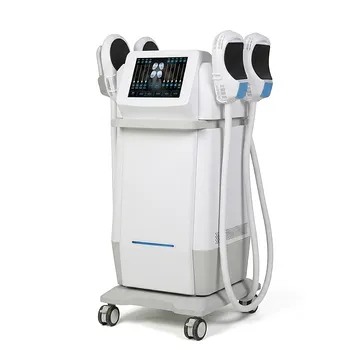
Monopolar RF tightens tissue by converting electromagnetic energy into controlled heat within the dermis and subcutaneous tissue. Molecular rotation generates volumetric heating that contracts existing collagen and initiates a wound-healing response. Collagen remodeling and new collagen production then develop over the following weeks, while periorbital treatment requires specialized eye protection, conservative energy settings, and strict control of skin contact and coupling.
The key distinction is between deep target temperature and epidermal surface temperature: tissue tightening depends on controlled heating within deeper layers, while the skin surface must remain within a safer monitored range. Around the eyes, use only non-conductive corneoscleral protection, never metal shields, and reduce energy over thin orbital skin.
How Monopolar RF Produces Tissue Tightening
Electromagnetic Energy Creates Molecular Motion
A monopolar RF device establishes an electric field through the treatment area. The resulting molecular rotation produces resistance within tissue, converting electrical energy into heat in the deeper dermis and subcutaneous layer.
This is a volumetric thermal effect, rather than the superficial removal of skin. The epidermis can remain structurally intact when energy delivery, coupling, movement, and cooling are properly controlled.
Heat Contracts Existing Collagen
At therapeutic temperatures, collagen’s helical structure denatures and the fibers contract and thicken. The primary reference identifies approximately 65°C to 75°C within the treated tissue volume as the range associated with controlled collagen contraction.
Lower readings around 40°C to 45°C generally describe monitored surface or local treatment temperatures in some protocols, not necessarily the deeper peak temperature responsible for collagen denaturation. These measurements should not be treated as interchangeable.
Healing Drives Longer-Term Remodeling
The initial thermal injury activates an inflammatory and wound-healing response. Fibroblasts are stimulated to produce new collagen and, to a degree, elastin.
This produces progressive tissue remodeling over subsequent weeks. The immediate effect is contraction of existing collagen; the delayed effect is dermal restructuring and thickening.
Why Periorbital Treatment Requires Special Controls
The Eye Is Vulnerable to Thermal and Electrical Injury
The periorbital region contains thin skin and lies directly over sensitive ocular structures. Energy that is tolerated on thicker facial or body tissue can cause injury when applied too aggressively near the orbit.
The lateral orbital rim is particularly important because the skin is thin and the underlying contour can make uniform handpiece contact difficult.
Use Non-Conductive Corneoscleral Protection
For treatment near the eye, place non-conductive plastic corneoscleral protective lenses over the eye and coat them with an appropriate ophthalmic lubricant. The lens must be correctly positioned and remain stable throughout treatment.
Metal eye shields must never be used with monopolar RF. Conductive metal can interact with RF energy and create concentrated heating, potentially causing severe burns.
Reduce Energy Near the Lateral Orbital Rim
Use reduced energy parameters over the thin skin of the lateral orbital rim. Settings should be selected conservatively and adjusted according to the device’s validated periorbital protocol, tissue response, and patient feedback.
Avoid assuming that a setting appropriate for the cheek, jawline, or body is appropriate around the orbit.
Controlling Energy Delivery
Maintain Continuous Coupling
Apply a liberal, continuous layer of the manufacturer-approved conductive coupling medium. Adequate coupling improves energy transfer and reduces localized surface heating that can produce epidermal burns.
Reapply the medium if coverage becomes discontinuous or the handpiece no longer glides evenly.
Keep the Handpiece in Stable Contact
Maintain consistent, even pressure across the treatment area. Loss of contact can cause electrical arcing, pain, or blistering on systems that do not detect the problem promptly.
Contact sensors should be checked before treatment and monitored during delivery. On equipped platforms, RF should stop automatically if contact is lost.
Move Methodically and Avoid Immediate Overlap
Use the treatment pattern specified for the device, typically with grid-segmented zones and controlled, continuous movement or pulsed delivery. Do not immediately overlap pulses or repeatedly heat the same point without allowing the tissue response to be assessed.
Multiple lower-fluence passes may provide more controlled heating than a single high-fluence pass, but the number of passes and total dose must remain within the device’s clinical protocol.
Monitor Surface Temperature and Patient Feedback
Surface temperature monitoring and effective cooling help protect the epidermis while deeper tissue accumulates heat. Operators should increase power gradually and assess both measured temperature and patient discomfort.
Pain is a practical safety signal. A sharp, escalating, or focal sensation warrants stopping to reassess contact, coupling, positioning, and energy rather than simply continuing through it.
Required Periorbital Safety Protocol
Prepare the Patient and Treatment Area
Remove makeup, lotions, and other materials that could interfere with consistent contact. Remove metal jewelry and prevent unnecessary contact with conductive metal surfaces.
When the device requires a grounding or return electrode, apply the manufacturer-approved adhesive grounding pad securely to an appropriate body site. Its placement must complete the electrical circuit without creating unintended current pathways.
Protect the Eye Before Activating RF
Before the first pulse:
- Confirm that the non-conductive corneoscleral lens is properly placed.
- Apply ophthalmic lubricant to the protective lens as directed.
- Verify that the lens is stable and fully protects the ocular surface.
- Confirm that no metal eye shield or other conductive ocular protector is present.
- Keep the patient still and monitor comfort throughout treatment.
Use Conservative Orbital Parameters
Begin with reduced energy over the periorbital region and lateral orbital rim. Avoid immediate pulse overlap and adjust delivery based on skin temperature, tissue response, and patient feedback.
The exact settings should come from the specific device’s validated instructions and the treating clinician’s training. Generic temperature or fluence targets cannot substitute for device-specific guidance.
Stop for Abnormal Responses
Stop treatment and reassess immediately if there is unusual pain, focal heat, arcing, blistering, unexpected skin whitening or darkening, visual symptoms, or discomfort suggesting ocular involvement.
Any visual change or eye pain after treatment requires prompt clinical and ophthalmic evaluation.
Understanding the Trade-offs
More Heat Does Not Automatically Mean Better Tightening
Higher energy may increase thermal effect, but it also increases the risk of burns, prolonged inflammation, contour irregularities, and unintended subcutaneous tissue injury. Treatment should seek controlled thermal exposure rather than the highest tolerable setting.
Surface and Deep Temperatures Can Be Confused
A monitored epidermal temperature of approximately 40°C to 43°C is not equivalent to the deeper tissue temperatures associated with collagen denaturation. Confusing the two can lead to under-treatment or unsafe attempts to raise the surface temperature.
Temperature readings also depend on sensor location, device design, coupling, contact, and measurement timing.
Multiple Passes Still Accumulate Heat
Lower-fluence passes can reduce the risk associated with a single intense delivery, but repeated passes still contribute to total thermal dose. The operator must account for cumulative exposure and avoid immediate overlapping of treatment pulses.
Periorbital Anatomy Limits Margin for Error
Thin skin, bony contours, and proximity to the eye make the periorbital region less forgiving than many other treatment areas. A treatment protocol that is reasonable for the cheek or body may be inappropriate around the orbit.
Applying This Safely in Practice
The following principles should guide treatment planning, but they do not replace the device manufacturer’s instructions, formal training, or clinical judgment.
- If your primary focus is tissue tightening: Target controlled deep-tissue heating that contracts existing collagen and stimulates delayed remodeling, while distinguishing it from the lower surface-temperature readings used for epidermal monitoring.
- If your primary focus is periorbital safety: Use lubricated, non-conductive corneoscleral protection, never metal eye shields, and apply reduced energy over the lateral orbital rim.
- If your primary focus is burn prevention: Maintain continuous coupling, even handpiece contact, temperature monitoring, cooling or controlled movement, and no immediate pulse overlap.
- If your primary focus is electrical safety: Follow the device’s grounding-pad requirements, remove metal jewelry, verify contact-sensor function, and stop delivery if contact is lost or arcing occurs.
Safe RF tissue tightening depends on controlled deep heating, disciplined energy delivery, and uncompromising protection of the eye.
Summary Table:
| Aspect | Key Points |
|---|---|
| Mechanism | Electromagnetic energy -> molecular rotation -> volumetric heating -> collagen contraction & remodeling |
| Target Temperature | Deeper tissue: 65-75°C; surface: 40-45°C (monitored) |
| Eye Protection | Non-conductive corneoscleral lenses with lubricant; never metal shields |
| Energy Control | Reduce energy near lateral orbital rim; conservative settings; no immediate overlap |
| Safety Measures | Continuous coupling, stable contact, surface temperature monitoring, patient feedback |
| Key Risks | Burns, ocular damage, under/over treatment |
Ensure the highest standards of safety and efficacy in your RF treatments with BELIS professional-grade devices. Our advanced monopolar RF systems are designed with precise temperature control and safety features, trusted by clinics and premium salons. Contact us today to learn how our technology can enhance your practice and patient outcomes. Contact us now for a personalized consultation!
Related Products
- IPL SHR+Radio frecuency machine
- Ultrasonic Cavitation Radiofrecuency Machine for Body Slimming
- EMSlim Neo Nova Body Sculpting EMS Sculpting Machine
- RF Microneedling Machine Micro Needle Radio Frequency Machine
- EMS Body Sculpting Slimming Machine EMSlim Body Slimming Machine
People Also Ask
- In what ways is an IPL SHR machine considered a cost-effective solution for hair removal? Maximize Your Clinic's ROI
- What is the typical downtime and recovery period associated with IPL SHR treatments? Zero-Downtime Guide
- What types of skin rejuvenation concerns can be addressed using IPL SHR machines? Master Photofacials & Anti-Aging
- What factors contribute to the speed and efficiency of IPL SHR treatments for large body areas? Boost Clinic Throughput
- How does combining IPL with bipolar RF improve safety and efficacy for dark skin and light hair? Discover the synergy that broadens treatment options.