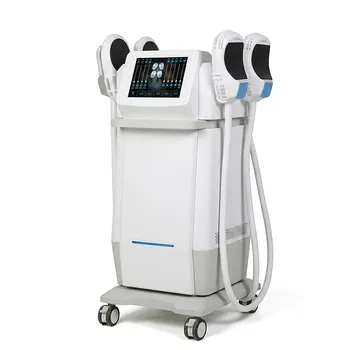
The target dermal temperature for RF-induced collagen denaturation is approximately 58 °C to 75 °C. Within this range, heat disrupts the hydrogen bonds stabilizing collagen’s triple-helix structure. The collagen fibrils then shorten and thicken, producing immediate tissue contraction and tightening.
RF treatment depends on controlled heat: temperatures around 58–75 °C can denature dermal collagen and create contraction, while exceeding 75 °C risks liquefying collagen and other dermal proteins, permanently damaging the tissue’s structural elasticity.
How RF Heat Changes Dermal Collagen
Collagen Denaturation Within the Target Range
Collagen is normally organized into strong triple-helix structures. RF energy generates resistive heat within the dermis, and temperatures in the target range break the non-covalent bonds that maintain this structure.
The collagen becomes shorter, thicker, and more amorphous. This produces an immediate tightening response as the treated tissue contracts.
Why Treatment Time Matters
The temperature required for collagen contraction depends on exposure duration. During exposures lasting several seconds, collagen shrinkage commonly occurs around 60–65 °C, within the broader 58–75 °C treatment window.
Shorter exposures require higher temperatures, while lower temperatures require longer exposure times to produce a comparable effect. RF treatment is therefore governed by the combined effect of temperature, duration, and treatment depth.
Immediate and Delayed Effects
The initial effect is physical collagen contraction caused by thermal denaturation. Afterward, the controlled thermal stress can stimulate fibroblastic activity and longer-term extracellular-matrix remodeling.
This later healing response may support the formation of new collagen and contribute to sustained skin tightening over time.
What Happens Above 75 °C
Collagen Liquefaction
When tissue temperatures exceed approximately 75 °C, collagen and other dermal proteins can begin to liquefy rather than undergo the controlled contraction needed for therapeutic tightening.
At this point, the tissue is no longer experiencing a useful denaturation response. Its organized structural proteins are being irreversibly degraded.
Loss of Elasticity
Excessive heating causes a permanent loss of structural collagen elasticity. Instead of producing a controlled tightening effect, the treatment can destroy the collagen framework that supports the dermis.
The expected therapeutic contraction response may therefore be absent.
Increasing Risk of Thermal Injury
The risk of tissue damage rises rapidly with both temperature and exposure duration. Excessive heating can progress from protein denaturation and coagulation to necrosis, vaporization, or ablation at substantially higher temperatures.
For this reason, RF devices use controlled energy delivery and, in many systems, surface cooling to protect the epidermis while heating deeper tissue.
Understanding the Treatment Windows
Dermal Target Versus Surface Temperature
The 58–75 °C range refers to the treated dermal tissue where collagen denaturation is intended to occur. It should not be confused with the temperature measured at the skin surface.
Non-invasive RF systems may maintain lower surface temperatures, often around 38–44 °C, to improve comfort and protect the epidermis while delivering heat deeper in the tissue.
Controlled Heating Is Essential
The goal is not to maximize temperature. The goal is to reach the required thermal dose at the intended depth without crossing the point at which collagen is liquefied or surrounding tissue is injured.
Clinical protocols must therefore account for device type, electrode or needle configuration, exposure time, tissue impedance, cooling, and treatment depth.
Common Pitfalls to Avoid
Treating the Range as a Universal Setting
The 58–75 °C range describes a biological response window, not a universal device setting. Different RF technologies measure and deliver heat differently, so displayed temperature values may not represent the same tissue location or thermal exposure.
Ignoring Exposure Duration
A temperature that is tolerable for a very brief exposure may cause injury if maintained for several seconds. Temperature and time must always be evaluated together.
Confusing Remodeling Temperatures With Denaturation Temperatures
Lower temperatures, such as approximately 40–44 °C, may be used for prolonged, non-ablative heating to stimulate biological remodeling. They are not equivalent to the higher temperatures required for direct collagen denaturation and immediate contraction.
Applying This to RF Treatment
The practical interpretation depends on the treatment objective and device design.
- If your primary focus is immediate collagen contraction: Controlled dermal heating around 58–75 °C, commonly near 60–65 °C for several-second exposures, is the relevant denaturation window.
- If your primary focus is safe non-invasive remodeling: Lower, carefully controlled tissue and surface temperatures with longer exposure times can stimulate collagen remodeling while reducing the risk of excessive thermal injury.
Effective RF tightening requires precise control of both temperature and exposure time: enough heat to denature collagen, but not so much that the collagen framework is permanently destroyed.
Summary Table:
| Temperature Range | Effect | Clinical Relevance |
|---|---|---|
| 40–44 °C | Prolonged heating stimulates remodeling | Non-ablative treatments, collagen production |
| 58–75 °C | Collagen denaturation & contraction | Immediate tightening, skin lifting |
| > 75 °C | Collagen liquefaction, loss of elasticity | Irreversible damage, necrosis risk |
Achieve controlled RF collagen remodeling with BELIS's advanced aesthetic systems. Our platforms combine precise thermal monitoring and epidermal protection to deliver safe, effective tightening. Contact our specialists today to enhance your practice — contact us.
Related Products
- Ultrasonic Cavitation Radiofrecuency Machine for Body Slimming
- 4D 12D HIFU Machine Device for Skin Tightening and Lifting
- EMS Body Sculpting Slimming Machine EMSlim Body Slimming Machine
- Ultrasonic Cavitation Machine Lipo Laser Device
- EMSlim RG Laser Body Sculpting and Slimming Machine
People Also Ask
- What are the pros and cons of the ultrasonic cavitation slimming treatment? A Guide to Painless Body Contouring
- Does an ultrasonic cavitation machine also tighten the skin? Achieve Total Body Contouring with RF Synergy
- How does radiofrequency technology in slimming machines promote fat reduction? The Science of Non-Invasive Sculpting
- How should one prepare for an ultrasonic cavitation appointment? 5 Essential Tips for Maximum Fat Loss Results
- What is an ultrasonic cavitation machine? Sculpt Your Body with Advanced Non-Invasive Fat Reduction