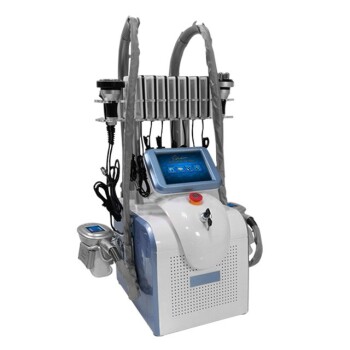
Non-ablative laser equipment generally has a lower systemic toxicological risk than topical pharmacological treatments. Its intended biological effect is localized: controlled light energy produces a photothermal reaction in the treatment area without introducing a drug that must be absorbed, distributed, metabolized, and eliminated. However, “no systemic toxicity” should not be interpreted as “no risk”; non-ablative lasers can still cause local tissue injury, pigment changes, ocular damage, or procedure-related complications when poorly selected or operated.
The central distinction is exposure pathway: topical medicines can enter the body and produce systemic pharmacological effects, while non-ablative lasers primarily act through localized energy delivery. The laser’s safety risks are therefore usually procedural and local rather than toxicological and systemic.
Why the Risk Profiles Differ
Topical treatments can create systemic exposure
A topical drug is applied to the skin, but the skin is not an absolute barrier. Depending on the drug, formulation, treatment area, application duration, skin condition, and use of occlusion, some amount may cross into the circulation.
This creates the possibility of systemic adverse effects associated with the drug’s pharmacology and its absorption, distribution, metabolism, and elimination.
Non-ablative lasers do not rely on drug absorption
Non-ablative lasers deliver optical energy to selected tissue targets. The energy is converted into heat, producing a controlled local response while generally preserving the skin surface.
Because the treatment does not introduce a pharmacologically active substance, it does not normally create the same ADME-related toxicological pathway as a topical medicine.
“Non-ablative” describes tissue interaction, not absolute safety
Non-ablative treatment usually means that the epidermal surface is preserved rather than deliberately vaporized or removed. It does not mean that the device cannot overheat tissue or produce injury.
Safety still depends on wavelength, fluence, pulse duration, treatment density, cooling, operator technique, patient characteristics, and the condition being treated.
What Adverse Effects Are Typically Expected?
Local erythema and swelling
The most common effects are generally localized and temporary. These may include redness, mild swelling, warmth, and tenderness in the treated area.
These reactions reflect the intended thermal response and are usually reversible when treatment parameters are appropriate.
Temporary discomfort
Patients may experience heat, stinging, or discomfort during or shortly after treatment. The intensity depends on the device, settings, treatment site, and individual sensitivity.
Unlike systemic drug effects, these symptoms generally remain confined to the treatment area and resolve as the local inflammatory response subsides.
Pigmentary changes remain possible
Preserving the skin surface can reduce the risks associated with open wounds, but it does not eliminate pigmentary complications. Excessive energy or treatment density can trigger post-inflammatory hyperpigmentation or hypopigmentation.
Fractional devices create microscopic thermal treatment zones while leaving surrounding tissue intact. Even with this limited pattern of injury, excessive thermal stimulation may contribute to laser-induced leukoderma, particularly in patients vulnerable to pigment loss or vitiligo.
Ocular injury requires specific precautions
Laser energy can cause serious eye injury if it reaches the eye directly or through reflection. Appropriate wavelength-specific protective eyewear, controlled treatment environments, and trained operation are essential.
This is a physical and procedural hazard, not systemic toxicity, but it can be clinically significant.
How Non-Ablative Lasers Compare With Ablative Treatments
Non-ablative treatment usually preserves the surface
Non-ablative devices are designed to heat deeper tissue without intentionally removing the epidermis. This generally supports shorter recovery and reduces risks associated with open wounds.
For some indications, this makes treatment more suitable for repeated maintenance or for patients who have limited tolerance for tissue trauma.
Ablative treatment creates a different risk category
Ablative lasers remove or vaporize outer skin layers. The resulting wound can involve greater pain, infection risk, scarring, pigmentary changes, and recovery requirements.
Ablative procedures may require more stringent clinical controls, and inappropriate use outside a properly equipped medical setting can increase the risk of severe injury or infection.
Device classification must be checked carefully
The label “non-ablative” should be verified for the specific device, wavelength, handpiece, and operating mode. For example, Er:YAG lasers are commonly used for ablative resurfacing, although particular systems or settings may support other applications.
Risk assessment should therefore be based on the actual treatment parameters and tissue effect, not only the device name.
Understanding the Trade-offs
Lower systemic toxicity does not mean lower overall risk in every situation
A non-ablative laser may avoid drug-related systemic exposure, but it can still cause burns, prolonged inflammation, scarring, infection, or pigmentary change if excessive energy is delivered.
The comparison is strongest for systemic toxicological risk, not necessarily for every local or procedural risk.
Topical medicines are not automatically systemically dangerous
Many topical treatments produce limited systemic exposure when used correctly. Risk increases when products are applied over large areas, damaged skin, occluded skin, or for prolonged periods, or when the formulation has substantial skin penetration.
The relevant comparison is therefore between the specific medicine and regimen and the specific laser treatment, rather than between broad categories alone.
Thermal injury depends on cumulative energy
Fractional treatment can appear minimally invasive because untreated tissue remains between micro-thermal zones. However, total energy, pulse settings, and pore density determine the cumulative thermal burden.
Overtreatment can increase local injury and pigmentary risk even when the device is technically non-ablative.
Clinical context determines suitability
Treatment of sensitive or chronic conditions requires diagnosis, appropriate parameter selection, and follow-up. Symptom relief does not replace evaluation of the underlying disease or monitoring for complications.
For long-term care, the absence of systemic drug toxicity may be an advantage, but repeat procedures still require cumulative risk assessment.
Making the Right Choice for Your Goal
The correct decision depends on whether the main concern is drug exposure, local tissue injury, treatment durability, or recovery time.
- If your primary focus is minimizing systemic toxicological exposure: Non-ablative laser treatment generally has the advantage because it produces a localized photothermal effect without routine pharmacological ADME exposure.
- If your primary focus is minimizing local injury: Select conservative, evidence-based laser parameters and confirm that the treatment is genuinely non-ablative, while recognizing that redness, burns, and pigment changes remain possible.
- If your primary focus is avoiding wound-related complications: A non-ablative approach generally offers lower surface-disruption risk than ablative resurfacing, but it still requires appropriate infection control and clinical oversight.
- If your primary focus is managing pigmentary risk: Assess skin type, history of vitiligo or pigment disorders, treatment density, and total energy before proceeding; fractional treatment is not risk-free.
- If your primary focus is predictable long-term care: Compare the specific laser protocol with the specific topical medicine, including effectiveness, repeat-treatment burden, contraindications, monitoring, and patient tolerance.
Non-ablative lasers generally avoid systemic drug toxicity, but their safety depends on disciplined control of localized energy and careful patient selection.
Summary Table:
| Aspect | Non-Ablative Laser | Topical Pharmacological Treatment |
|---|---|---|
| Mechanism | Localized photothermal effect | Drug absorption, distribution, metabolism, excretion |
| Systemic toxicity risk | Generally lower, no drug exposure | Possible, depending on drug and application |
| Common side effects | Local erythema, swelling, temporary discomfort | Local irritation, systemic effects possible |
| Pigmentary changes | Possible post-inflammatory hyper/hypopigmentation | Possible, depending on drug |
| Ocular risk | Requires eye protection | Minimal, unless drug applied near eyes |
| Recovery time | Usually shorter, less surface disruption | Varies, no physical recovery needed |
| Operator skill | Critical for safety and efficacy | Lower dependence, but application technique matters |
Ready to elevate your practice with advanced non-ablative laser technology? BELIS offers a comprehensive range of professional-grade aesthetic devices, including cutting-edge lasers for safe and effective treatments. Our team of experts is here to help you choose the right equipment tailored to your clinic's needs. Contact us today at #ContactForm to discuss how BELIS can support your success with superior technology, training, and ongoing support.
Related Products
- Cryolipolysis Fat Freezing Cavitation Lipo Laser Machine
- EMSlim RG Laser Body Sculpting and Slimming Machine
- Ultrasonic Cavitation Machine Lipo Laser Device
- 22D HIFU Machine Device Facial Machine
- Cryolipolysis Fat Freezing Machine and Ultrasonic Cavitation Device
People Also Ask
- What are the main benefits of using a fat freezing machine? Achieve Permanent, Non-Surgical Body Sculpting
- Do fat freezing machines really work? Achieve Non-Invasive Body Contouring
- What are the potential side effects and risks associated with fat freezing? Safety Profile & Rare Risks Explained
- What is the treatment principle of cryolipolysis fat freezing? Science-Backed Fat Reduction and Body Contouring
- What is the recommended treatment course for different body parts using the cryolipolysis machine? Expert Fat Loss Tips