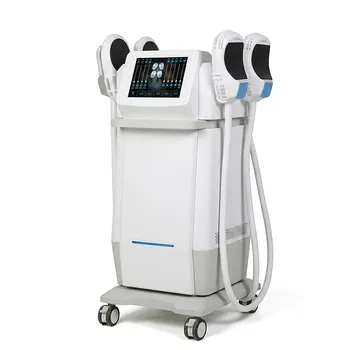
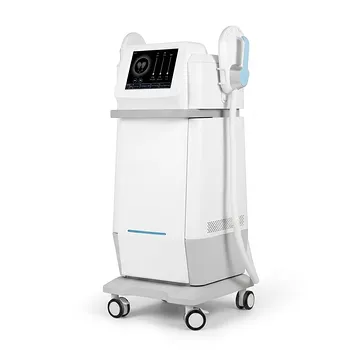
Cryolipolysis reduces localized fat by selectively cooling subcutaneous adipose tissue until susceptible fat cells undergo programmed cell death. The applicator uses controlled cooling, often with vacuum-assisted tissue positioning, to expose a defined fat layer while limiting injury to surrounding skin, nerves, and muscle. The body then removes the affected cells through an inflammatory and immune-mediated clearance process over the following weeks. Immediate post-treatment massage is recommended because mechanical manipulation of the temporarily firm, cold tissue may increase the treatment response, although it should not be described as causing a separate “reperfusion injury” unless specifically supported by the device’s clinical evidence.
Cryolipolysis works through selective cold sensitivity and delayed biological clearance, not instant fat melting. Immediate massage appears to improve outcomes by mechanically stressing cold-injured adipose tissue and helping the treated area rewarm, but the exact biological contribution of massage remains less certain than the core cooling mechanism.
How Cryolipolysis Changes Fat Tissue
Why Fat Cells Are Vulnerable to Cooling
Subcutaneous adipocytes contain substantial lipid content, making them more sensitive to controlled low temperatures than surrounding water-rich tissues. This difference allows the device to target fat while reducing the likelihood of comparable injury to the overlying skin and other nearby structures.
The applicator holds and cools the selected tissue zone for a controlled treatment period, commonly around 45 minutes depending on the device, applicator, and treatment protocol.
What Happens During Cooling
Cooling causes lipid within susceptible adipocytes to crystallize or otherwise undergo temperature-related structural stress. This damages the cells without requiring an incision or thermal destruction of the entire tissue layer.
The intended cellular outcome is apoptosis, or programmed cell death. This is a regulated process rather than the immediate rupture of every treated fat cell.
Why the Result Is Delayed
The visible contour change develops gradually because the body must identify, process, and clear the affected cells. Local inflammation recruits immune cells that help remove cellular remnants through normal tissue-clearance and metabolic pathways.
Fat-layer reduction is therefore assessed over several weeks. Depending on the protocol and study design, measurable changes may continue developing over approximately 4 to 12 weeks rather than appearing immediately after the session.
Why Massage Is Performed Immediately
The Treated Tissue Is Temporarily Firm
When the vacuum applicator is removed, the cooled tissue can feel rigid, numb, and unusually firm. This temporary condition results from the local cooling of the fat layer and surrounding tissue.
Manual massage helps the area rewarm and return toward its normal elasticity. It also provides a practical way to redistribute and mobilize the temporarily deformed tissue.
Mechanical Stress May Enhance the Response
A structured massage applies pressure and shear to adipocytes that have already been stressed by cooling. This may further disrupt the integrity of vulnerable cells and increase the amount of tissue affected by the treatment.
The most defensible explanation is that massage augments cold-induced cellular injury and supports tissue recovery, rather than that it independently destroys fat through a proven reperfusion-injury mechanism.
Evidence Suggests a Measurable Benefit
The supplied clinical comparison reported greater ultrasound-measured abdominal fat-layer reduction when immediate massage was used: 14.9% with massage versus 10.3% without massage.
That finding supports including post-treatment massage in an established protocol, but it does not prove that the same difference will occur for every body area, device, patient, or massage technique.
What Massage Does Not Mean
It Does Not Instantly Remove Fat
Massage does not physically flush fat cells out of the body during the treatment session. The longer-term reduction still depends primarily on the cold-induced biological response and the body’s subsequent clearance of affected cells.
Any immediate change in appearance is more likely to reflect tissue repositioning, reduced firmness, or temporary fluid changes than completed fat removal.
It Does Not Replace Controlled Cooling
The massage is an adjunct to cryolipolysis, not the primary treatment mechanism. If cooling is insufficient, poorly applied, or used outside the device’s validated parameters, massage cannot compensate for that limitation.
“Lymphatic Drainage” Should Be Used Carefully
Massage may support local fluid movement and tissue mobilization, but claims that it directly transports crystallized adipocytes through the lymphatic system oversimplify the biology. Cellular remnants are processed through inflammatory and immune pathways over time; they are not simply drained away intact.
Understanding the Trade-offs
The Massage Can Be Uncomfortable
The treated area may be numb, cold, tender, or firm immediately after applicator removal. A vigorous massage can temporarily increase discomfort, redness, bruising, or sensitivity.
The technique should follow the device manufacturer’s protocol and be adjusted for the patient’s tolerance rather than treated as a universally aggressive procedure.
The Evidence Has Boundaries
The reported 14.9% versus 10.3% comparison is clinically relevant, but a single comparative result should not be generalized beyond its study conditions. Outcomes vary with applicator design, cooling parameters, treatment location, baseline fat thickness, massage method, and follow-up duration.
More Force Is Not Necessarily Better
The purpose of massage is controlled mechanical manipulation of recently cooled tissue. Excessive pressure does not establish a better outcome and may increase soft-tissue irritation or patient discomfort.
Patient Selection Still Matters
Cryolipolysis is intended for localized subcutaneous fat that can be appropriately positioned in the applicator. It is not a treatment for general weight loss, and results depend on anatomy, treatment planning, and realistic expectations.
How to Apply This to Your Treatment Protocol
The post-treatment massage should be viewed as a short, protocol-based intervention that may improve the response to properly delivered cryolipolysis.
- If your primary focus is physiological accuracy: Describe cryolipolysis as selective cooling followed by adipocyte apoptosis, inflammation, and gradual cellular clearance.
- If your primary focus is treatment efficacy: Include immediate structured massage when supported by the device protocol and clinical evidence, because comparative data indicates greater fat-layer reduction with massage.
- If your primary focus is patient comfort: Use controlled pressure for the recommended duration and explain that temporary firmness, numbness, redness, and tenderness can occur.
- If your primary focus is clinical communication: Present massage as a potentially beneficial adjunct, not as an instant fat-removal step or a guaranteed mechanism of lymphatic “flushing.”
Understanding the distinction between cold-induced cell death, delayed biological clearance, and post-treatment mechanical assistance leads to more accurate protocols and more credible patient expectations.
Summary Table:
| Aspect | Explanation |
|---|---|
| Core mechanism | Selective cooling induces apoptosis in fat cells |
| Process timeframe | Gradual clearance over 4-12 weeks |
| Massage benefit | Increases fat reduction (14.9% vs 10.3%) |
| Massage role | Assists rewarming and cellular disruption |
Elevate your clinic with advanced cryolipolysis devices from BELIS. Our professional-grade systems ensure safe, effective body sculpting with proven results. Contact our experts today to learn how our technology can boost your practice and patient satisfaction. Get in touch now!
Related Products
- Fat Freezing Cryolipolysis Machine for Body Contouring
- Cryolipolysis Fat Freezing Machine Ultrasonic Cavitation Fat Reducing Device
- Fat Freezing Cryolipolysis Machine for Body Contouring
- Cryolipolysis Fat Freezing Machine with Cavitation and Laser Lipolysis
- Cryolipolysis Cavitation Machine Fat Cavitation Machine
People Also Ask
- What are the main benefits of using a fat freezing machine? Achieve Permanent, Non-Surgical Body Sculpting
- Do fat freezing machines really work? Achieve Non-Invasive Body Contouring
- What are the potential side effects and risks associated with fat freezing? Safety Profile & Rare Risks Explained
- What are the clinical and safety risks of using uncertified or replicate cryolipolysis body contouring equipment? Avoid hyperpigmentation and legal exposure with certified systems.
- What maintenance and service aspects are important when purchasing a fat freezing machine? Maximize ROI & Reliability