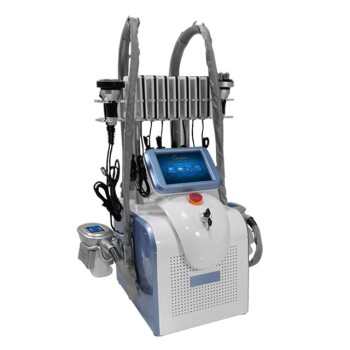
Paradoxical Adipocyte Hyperplasia (PAH) is a rare, unintended adverse event associated with cryolipolysis (fat freezing) treatments where the targeted fat tissue increases rather than decreases. Instead of breaking down and being eliminated by the body, the treated fat cells enlarge or multiply, resulting in a hardened bulge at the treatment site. This reaction typically manifests several months after the procedure and will not resolve without intervention.
Core Takeaway While cryolipolysis is designed to reduce adipose tissue, PAH represents a biological "paradox" where the treatment site stimulates fat growth. This complication is rare but significant because it is permanent and changes the nature of the solution from non-invasive to surgical.
The Mechanics of the Anomaly
The Inverse Reaction
Cryolipolysis operates on the principle that cold temperatures destroy fat cells. In cases of PAH, the body reacts paradoxically to this thermal stress.
Instead of undergoing cell death (apoptosis), the adipose tissue is stimulated to thicken and expand. This results in a visible increase in visceral or subcutaneous fat volume in the exact area intended for reduction.
Physical Manifestation
The condition is often recognizable by the specific shape of the growth. The enlarged tissue may mirror the shape of the treatment applicator, resulting in a rectangular or "stick of butter" appearance under the skin.
Unlike normal soft fat, PAH tissue often feels firm or hard to the touch. It is distinct from simple weight gain because it is localized strictly to the treatment area.
Timeline of Onset
PAH is not an immediate side effect. Patients generally do not notice the issue until the inflammation from the initial procedure subsides.
Symptoms typically appear between two to six months following the treatment. This delay can sometimes lead to misdiagnosis or confusion regarding the cause of the tissue change.
Risk Assessment and Incidence
Statistical Likelihood
The reported incidence of PAH varies significantly depending on the data source. Primary reporting has cited cases as low as 33 out of 850,000 procedures (approximately 0.004%).
However, more recent data suggests the condition may be underreported. Some studies indicate the prevalence could be as high as 1 in 2,000 (0.05%) to nearly 0.4%, particularly with older generations of treatment units.
Identified Risk Factors
While the exact biological mechanism remains unknown, certain demographics appear to be at higher risk.
Data suggests a higher correlation in male patients, potentially linked to testosterone levels or the nature of fibrous fat tissue. Additionally, the use of older cryolipolysis applicators has been associated with a higher frequency of PAH compared to newer units.
Understanding the Trade-offs: The Permanence of PAH
Spontaneous Resolution is Impossible
A critical misunderstanding is that PAH is temporary swelling. It is not.
The hyperplasia (increase in cell number) and hypertrophy (increase in cell size) associated with this condition are permanent structural changes. No amount of diet, exercise, or additional non-invasive cooling treatments will reverse the growth.
Corrective Requirements
Because the tissue is unresponsive to lifestyle changes, the only effective management is invasive.
Correcting PAH requires surgical intervention, such as liposuction or an abdominoplasty (tummy tuck). This presents a significant trade-off: a patient seeking a non-invasive solution may ultimately require surgery to fix the complication of that treatment.
Making the Right Choice for Your Goal
If you are evaluating cryolipolysis or monitoring results, consider these objective steps:
- If your primary focus is risk mitigation: Ask your provider specifically about the generation of the device being used, as newer units may have lower incidence rates.
- If your primary focus is post-procedure monitoring: Observe the treatment site between months 2 and 5; if you notice a hardening, rectangular mass, seek a medical evaluation immediately rather than waiting for it to subside.
- If your primary focus is correction: Do not attempt further cryolipolysis on the bulge; consult a plastic surgeon to discuss liposuction, which is the standard of care for resolving PAH.
Ultimately, while PAH is statistically rare, it requires a shift from non-invasive management to surgical correction if it occurs.
Summary Table:
| Feature | Paradoxical Adipocyte Hyperplasia (PAH) Details |
|---|---|
| Occurrence | Paradoxical increase in fat tissue after cooling |
| Onset Time | Typically 2 to 6 months post-treatment |
| Physical Texture | Firm, hardened, or "stick of butter" shape |
| Estimated Risk | Varies (0.004% to 0.4% depending on device) |
| Primary Risk Group | Higher incidence reported in male patients |
| Resolution | Requires surgical intervention (Liposuction) |
Secure Your Clinic’s Reputation with Industry-Leading Technology
While Paradoxical Adipocyte Hyperplasia (PAH) is a rare complication of fat freezing, choosing the right equipment and expertise is essential for patient safety. BELIS specializes in providing professional-grade medical aesthetic equipment exclusively for clinics and premium salons.
Our advanced portfolio includes state-of-the-art Cryolipolysis systems, Diode Laser Hair Removal, CO2 Fractional Lasers, and body sculpting solutions like EMSlim and RF Cavitation. By partnering with BELIS, you gain access to precision-engineered devices designed to minimize risks and maximize aesthetic results.
Ready to elevate your practice with the safest, most effective body contouring technology?
Contact BELIS Today to Consult Our Experts
Related Products
- Cryolipolysis Fat Freezing Machine Ultrasonic Cavitation Fat Reducing Device
- Cryolipolysis Fat Freezing Machine and Ultrasonic Cavitation Device
- Cryolipolysis Fat Freezing Cavitation Lipo Laser Machine
- Cryolipolysis Fat Freezing Machine with Cavitation and Laser Lipolysis
- Cryolipolysis Fat Freezing Machine Cavitation Lipo Laser Machine
People Also Ask
- What are the main benefits of using a fat freezing machine? Achieve Permanent, Non-Surgical Body Sculpting
- Do fat freezing machines really work? Achieve Non-Invasive Body Contouring
- What are the potential side effects and risks associated with fat freezing? Safety Profile & Rare Risks Explained
- What is the treatment principle of cryolipolysis fat freezing? Science-Backed Fat Reduction and Body Contouring
- What are the technical advantages of using lower temperatures and shorter durations in cryolipolysis fat reduction?