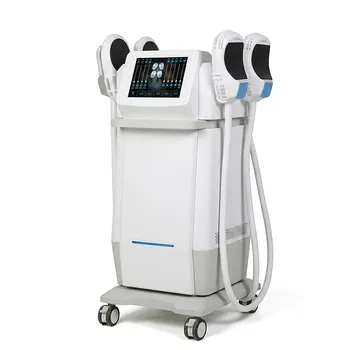
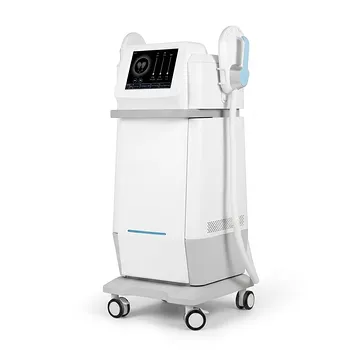
Non-invasive body sculpting generally offers a lower procedure-related VTE burden than surgical contouring because it does not require incisions, general anesthesia, fascial tightening, or prolonged postoperative immobilization. Procedures such as abdominoplasty, thigh lifts, and lower-body lifts are associated with the greatest VTE incidence among cosmetic interventions, while Cryolipolysis, EMSlim, and RF-based body contouring are typically performed with the patient awake and able to resume normal movement promptly. However, these technologies do not eliminate a patient’s underlying risk of deep vein thrombosis (DVT) or pulmonary embolism (PE).
Non-invasive body sculpting reduces several important triggers of postoperative VTE, especially venous stasis from anesthesia and immobility. Its advantage is best understood as lower procedure-related risk, not a guarantee of zero thromboembolic risk.
Why Surgical Contouring Creates More VTE Exposure
Tissue trauma and altered abdominal pressure
Operations such as abdominoplasty involve substantial tissue dissection and, in some cases, tightening of the abdominal wall. This can increase intra-abdominal pressure and impede venous return from the lower extremities.
Venous flow is influenced by pressure, movement, and vessel compression. When these factors are disrupted simultaneously, blood can pool more readily in the legs and pelvis.
General anesthesia and venous stasis
General anesthesia reduces normal muscle activity, including the muscle contractions that help return venous blood to the heart. Operating-room positioning and compression of venous structures can add to this stasis.
The longer the operation and recovery period, the longer the patient may remain exposed to limited mobility and impaired circulation.
Postoperative immobility
Pain, drains, swelling, compression garments, and surgical restrictions can make movement difficult after contouring surgery. Patients may spend extended periods in bed or seated during the early recovery period.
This immobility is a central part of the VTE concern because stasis is one component of the classic Virchow triad, alongside vascular injury and increased clotting tendency.
A broader perioperative burden
Surgical contouring also introduces blood loss, inflammation, fluid shifts, wound complications, and anesthesia-related risks. These factors do not all directly cause VTE, but they can complicate recovery and make early ambulation more difficult.
The primary reference reports that surgical body contouring accounted for 93.1% of confirmed VTE events in the cited cosmetic-intervention analysis, with a relative risk of 12.9. Those figures apply to the referenced study population and should not be treated as a universal rate for every surgical patient.
How Non-Invasive Devices Reduce Procedure-Related VTE Triggers
No surgical wound or vascular disruption
Cryolipolysis, EMSlim, and RF-based treatments apply energy or controlled cooling externally. They do not use cannulas, surgical incisions, or tissue dissection.
That substantially reduces direct tissue trauma, operative bleeding, and the inflammatory wound burden associated with surgery.
No general anesthesia
Most non-invasive body sculpting sessions do not require general anesthesia or tumescent infiltration. Patients typically remain conscious and can communicate discomfort during treatment.
Avoiding general anesthesia removes an important contributor to perioperative immobility and reduces anesthesia-related recovery limitations.
Earlier mobility
A patient can usually stand, walk, and return to ordinary activity soon after a non-invasive session, subject to the treating clinician’s instructions. There is generally no mandatory period of bed rest comparable to the recovery after major contouring surgery.
Maintaining mobility supports venous circulation and reduces the duration of procedure-related stasis.
No prolonged operative positioning
Non-invasive sessions are usually shorter and do not require the patient to remain under anesthesia in a fixed surgical position for an extended operation. This reduces exposure to prolonged positioning-related compression and immobility.
The practical VTE benefit comes from reducing the overall time during which circulation, movement, and recovery are constrained.
What Each Technology Changes Clinically
Cryolipolysis
Cryolipolysis uses controlled cooling to affect localized subcutaneous fat without incisions, aspirating cannulas, or anesthesia. Its VTE advantage is therefore tied primarily to the absence of surgery and the ability to remain ambulatory.
It is intended for localized contour refinement, not the large-volume fat removal or major tissue reshaping achieved through surgery.
EMSlim and electromagnetic muscle stimulation
High-intensity electromagnetic systems induce repeated muscle contractions in the treated area. The treatment is external and does not create a surgical wound or require general anesthesia.
Although muscle stimulation may involve active contractions during a session, it should not be presented as a substitute for clinical VTE prevention or as proof that the treatment prevents clots.
RF Cavitation and related RF systems
RF-based systems use externally applied energy for body contouring or skin-tightening objectives, depending on the device. They avoid the cannulas, fluid infiltration, blood loss, and surgical recovery associated with liposuction.
Device mechanisms and indications vary, so safety claims must be tied to the specific platform, treatment area, energy settings, and regulatory authorization.
Understanding the Trade-offs
Lower procedural risk is not zero VTE risk
A non-invasive session does not remove risks arising from the patient’s medical history. Prior VTE, active cancer, known thrombophilia, recent major surgery, pregnancy or the postpartum period, significant immobility, obesity, and certain medications may increase baseline risk.
Clinicians should assess those factors independently of the treatment modality.
Non-invasive treatment has narrower objectives
These technologies generally address localized fat deposits, muscle definition, or contour refinement. They do not provide the same tissue excision, skin removal, or large-scale reshaping as abdominoplasty, body lifts, or some liposuction procedures.
Choosing a non-invasive approach can reduce procedural burden, but it may not achieve the intended result for patients who need substantial tissue removal.
Device-specific contraindications remain important
External treatment can still cause adverse effects such as pain, bruising, temporary sensory changes, burns, or other device-specific complications. Some devices may be unsuitable for patients with particular implants, implanted electronic devices, sensory disorders, or cold- or heat-related conditions.
Screening must follow the manufacturer’s instructions, applicable regulations, and the clinician’s assessment.
Evidence should be described precisely
The strongest VTE claim is that non-invasive treatments avoid several established surgical and postoperative VTE triggers. It is not accurate to claim that they provide “virtually zero” or completely eliminate the risk of thromboembolism.
For higher-risk patients, a clinician should determine whether treatment is appropriate rather than relying on the non-invasive label alone.
Making the Right Choice for Your Goal
Non-invasive body sculpting is most valuable when the desired result can be achieved without exposing the patient to the recovery demands of surgery.
- If your primary focus is minimizing procedure-related VTE exposure: Consider a non-invasive modality because it avoids general anesthesia, surgical trauma, and mandatory postoperative immobility, while still requiring individual risk screening.
- If your primary focus is major fat removal or substantial skin reshaping: Surgical contouring may be necessary, but the decision should include formal VTE risk assessment, prevention planning, and careful postoperative mobilization.
- If your primary focus is treating a patient with elevated baseline VTE risk: Obtain appropriate medical evaluation before treatment, because non-invasive technology reduces procedural triggers but does not neutralize patient-specific clotting risk.
- If your primary focus is localized contour refinement with minimal downtime: Cryolipolysis, EMSlim, or an appropriate RF-based system may offer a lower-burden alternative when the patient’s goals and clinical profile fit the device’s indications.
The key advantage of non-invasive body sculpting is reduced exposure to the surgical conditions that promote VTE, not immunity from thromboembolic disease.
Summary Table:
| Factor | Non-Invasive Body Sculpting | Surgical Contouring |
|---|---|---|
| Incisions / Tissue Trauma | None | Significant dissection and wounds |
| Anesthesia | None or local | General anesthesia required |
| Immobility | Minimal, immediate mobility | Prolonged bed rest and recovery |
| VTE Risk | Lower procedural risk | Higher risk (93.1% of VTE events in study) |
| Patient Suitability | Localized fat reduction | Major fat removal and skin tightening |
Elevate Your Practice with Safe, Non-Invasive Body Sculpting Solutions from BELIS
At BELIS, we empower clinics and premium salons with state-of-the-art aesthetic devices that prioritize patient safety and satisfaction. Our portfolio includes advanced body sculpting technologies like Cryolipolysis, EMSlim, and RF Cavitation, designed to minimize procedure-related VTE risks while delivering exceptional results. With BELIS, you gain a trusted partner offering professional-grade equipment, comprehensive training, and ongoing support. Contact us today to discover how our non-invasive solutions can expand your offerings, attract new clients, and boost your revenue. Get in touch now
Related Products
- EMS Body Sculpting Machine for Body Slimming and Sculpting
- EMS Body Sculpting Slimming Machine EMSlim Body Slimming Machine
- EMSlim RG Laser Body Sculpting and Slimming Machine
- EMSlim Neo Nova Body Sculpting EMS Sculpting Machine
- EMSlim Body Slimming Machine for Muscle Building and Beauty
People Also Ask
- Does EMS sculpting really work? Achieve Clinically-Proven Body Contouring
- Why is it important for practitioners to avoid over-promising body sculpting results? Ensure Trust and Clinic Success.
- What are the technical advantages of professional body sculpting? Non-Invasive vs. Invasive Liposuction Explained
- Does EMS actually work for weight loss? A Realistic Look at Muscle Building and Metabolism
- How do the mid-infrared transmission spectra of fatty tissue and lipids assist in understanding selective targeting for body sculpting devices like cryolipolysis and RF cavitation? Mid-infrared spectra reveal lipid-specific markers, aiding tissue characterization.