Paradoxical ink darkening is a laser-induced color change in which light-colored or cosmetic tattoo pigments suddenly become dark brown, gray, or black. It occurs most often when inks containing ferric oxide, titanium dioxide, or related lightening agents are exposed to high-peak-power Q-switched or picosecond laser pulses. The primary mechanism is chemical reduction of the pigment, although light scattering and diffraction within the dermis can also contribute.
Paradoxical darkening is most likely in white, yellow, peach, pink, flesh-toned, red, brown, and permanent-makeup inks. Because the color change can be persistent, practitioners should identify susceptible pigments, perform test spots, obtain informed consent, and prepare a staged management plan before treating the full tattoo.
Why Light-Colored Ink Turns Dark
Chemical Reduction of Ferric Oxide
Many cosmetic and light-colored pigments contain ferric oxide, an iron-based compound commonly associated with yellow, red, brown, peach, pink, white, and flesh-toned inks.
High-energy laser pulses can chemically reduce ferric oxide into ferrous oxide, which is substantially darker. The change may occur immediately during treatment, converting a light pigment into a dark brown, gray, or black appearance.
Reduction or Alteration of Titanium-Based Pigments
Titanium dioxide is used to create opacity, whiteness, or lighter shades in tattoo and permanent-makeup formulations. Under intense laser irradiation, titanium-containing compounds may be altered or reduced, contributing to a darker or bluish-gray appearance.
Titanium dioxide can also reflect and scatter laser energy, reducing effective absorption and making the altered pigment more resistant to subsequent treatment.
The Role of Dermal Light Scattering
The Tyndall effect describes light scattering within the dermis. It can change how implanted pigment is visually perceived, particularly when light-colored particles are distributed at different depths.
This optical effect may contribute to apparent color changes, but chemical reduction of susceptible pigments is the principal clinical concern when darkening is immediate and pronounced.
Which Tattoos Require Particular Caution
Permanent Makeup and Cosmetic Tattoos
The risk is especially relevant for eyebrow, eyeliner, lip-liner, and flesh-toned cosmetic tattoos. These formulations may contain iron oxide or titanium dioxide even when the visible color appears beige, pink, red, brown, or white.
Patients may not know the exact pigment composition, and product labels or historical treatment records may be incomplete. Practitioners should therefore treat pigment history as uncertain unless reliable documentation is available.
Multicolored Tattoos
A tattoo can contain both laser-responsive dark ink and susceptible light ink. Treating the darker component may be reasonable while the white, yellow, peach, or flesh-toned areas require separate testing and counseling.
Different colors within the same design should not automatically be assumed to have the same chemical behavior.
Previously Treated or Scarred Skin
Pre-existing scarring, textural change, or prior laser treatment can affect both pigment response and complication risk. These findings should be documented before treatment and considered when selecting test areas, fluence, and treatment intervals.
How Practitioners Should Prevent the Complication
Establish the Pigment Risk Before Treatment
Inspect the tattoo for light-colored, cosmetic, or flesh-toned components. Ask about the original procedure, pigment brand, previous treatments, and any history of color change.
When composition is unknown, assume that pale or cosmetic pigments may contain iron oxide or titanium dioxide until testing demonstrates otherwise.
Perform a Discrete Test Spot
A test spot is the most important preventive measure. Apply the proposed treatment parameters to a small, inconspicuous area of each clinically distinct pigment rather than extrapolating from one color to another.
Observe the site over an appropriate period, because an immediate darkening reaction may be obvious at once while the final response and tissue reaction require follow-up over days or weeks.
Obtain Specific Informed Consent
Consent should address more than the usual risks of pain, blistering, pigmentary change, and scarring. Patients should be told that susceptible light or cosmetic inks may turn dark and that the change may be difficult or impossible to reverse completely.
Photographic documentation of the baseline color and test spot helps establish expectations and provides a clear record of the clinical decision-making process.
Managing Darkening Once It Occurs
Stop and Reassess
If a test spot darkens, do not proceed automatically with full-area treatment. Record the laser type, wavelength, pulse duration, spot size, fluence, and immediate tissue response.
Reassess the pigment after the acute inflammatory response settles. The next treatment should be planned around the new pigment state, not the original color alone.
Consider Subsequent 1064 nm Treatment
Darkened iron-containing pigment may respond to additional treatment with a suitable 1064 nm Nd:YAG approach. Serial sessions can break down and lighten the newly darkened pigment over time, although the response is variable.
Treatment should remain staged and conservative, with adequate healing intervals and ongoing assessment of texture, scarring, and residual color.
Reserve Ablative Options for Resistant Cases
When darkened cosmetic pigment remains resistant to pigment-specific laser treatment, fractional ablative CO2 or Er:YAG lasers may be considered by appropriately trained practitioners. These systems create microscopic channels or remove portions of the affected tissue, encouraging transepidermal extrusion of pigment and bypassing the original photochemical reaction.
This is not a risk-free solution. Ablative treatment can cause prolonged healing, textural change, pigmentary alteration, and scarring, especially in delicate facial areas, so the indication and patient selection must be carefully considered.
Understanding the Trade-offs
Darkening May Be Permanent
Some altered pigments lighten substantially with further treatment, but no method guarantees complete reversal. Patients should understand that the complication can create a longer treatment course and may leave residual dark pigment.
This possibility should be discussed before the initial treatment, not only after the reaction occurs.
More Laser Energy Is Not Automatically Better
Increasing fluence or repeatedly treating a resistant pigment may increase tissue injury without resolving the underlying chemical or optical problem. Treatment parameters should be guided by the observed response, healing quality, and the known behavior of the pigment.
Ablative Treatment Has a Different Risk Profile
Ablative fractional treatment may help physically remove resistant pigment, but it introduces risks that are different from those of Q-switched or picosecond treatment. The potential benefit must be weighed against scarring risk, particularly around the eyelids, eyebrows, lips, and other cosmetically sensitive areas.
Pigment Composition Is Often Uncertain
A patient’s description of an ink as “white,” “brown,” or “organic” does not establish its chemical composition. Product records, clinical inspection, test spots, and conservative progression are more reliable than color labels alone.
How to Apply This to Clinical Practice
The safest approach is to treat paradoxical darkening as a predictable pigment-specific risk rather than an unforeseeable event.
- If your primary focus is prevention: Identify light or cosmetic pigments, document the baseline skin and ink, and perform a separate test spot before treating the full tattoo.
- If your primary focus is patient counseling: Explain that iron-oxide or titanium-containing inks can darken suddenly and that the change may be persistent or require additional procedures.
- If your primary focus is treating established darkening: Reassess after healing, consider staged 1064 nm Nd:YAG treatment, and monitor response across serial sessions.
- If your primary focus is managing resistant pigment: Consider fractional CO2 or Er:YAG treatment only when appropriate, with explicit counseling about healing time and scarring risk.
Careful pigment assessment, test-spot testing, and realistic consent allow practitioners to manage paradoxical ink darkening with greater predictability and clinical control.
Summary Table:
| Risk Factor | Susceptible Pigments | Prevention | Management |
|---|---|---|---|
| Permanent makeup / cosmetic tattoos | Iron oxide, titanium dioxide | Test spot, informed consent | 1064 nm Nd:YAG, ablative options |
| Multicolored tattoos | Light colors (white, yellow, peach) | Separate test spots per color | Serial treatment, monitor response |
| Previously treated/scarred skin | Uncertain composition | Document history, conservative settings | Adjust fluence, allow healing |
Enhance your clinic's tattoo removal success with BELIS's advanced laser systems, designed for safe and effective treatment of all skin types and ink colors. Our professional-grade equipment includes Q-switched and picosecond lasers, ensuring precise targeting and minimal risk of complications. Partner with us to elevate your practice and deliver superior patient outcomes. Contact our experts today to learn more about our cutting-edge solutions tailored for clinics and premium salons.
Related Products
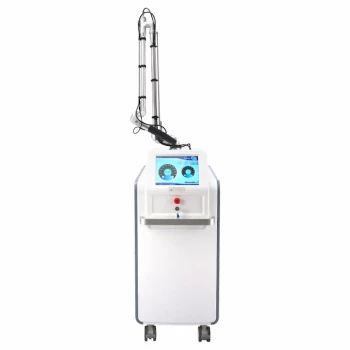
- Pico Laser Tattoo Removal Machine Picosure Picosecond Laser Machine
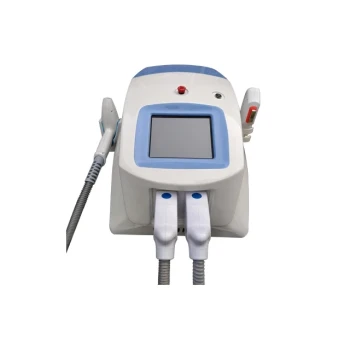
- Clinic Use IPL and SHR Hair Removal Machine with Nd Yag Laser Tattoo Removal
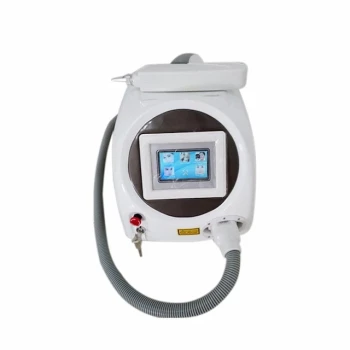
- Q Switch Nd Yag Laser Machine Tattoo Removal Nd Yag Machine
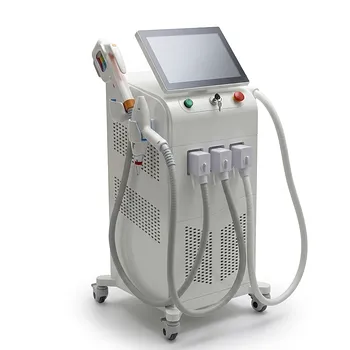
- 808nm Diode Laser Hair Removal Machine 755+808+1064nm Mixed Wavelength Professional Equipment
- Tri Laser Diode Hair Removal Machine Professional Beauty Equipment
People Also Ask
- How does a laser tattoo removal machine work? Shattering Ink with Precision Light
- Why is the precise adjustment of energy density, or fluence, critical during picosecond laser tattoo removal procedures?
- How does the pulse duration of a laser system influence the efficacy of tattoo ink clearance? Master Picosecond Tech
- What role does picosecond laser equipment play in tattoo removal? Faster Results & Advanced Precision
- What are the technical advantages of using Pico Laser or Nd:YAG Laser systems? Achieve Faster, Safer Tattoo Removal