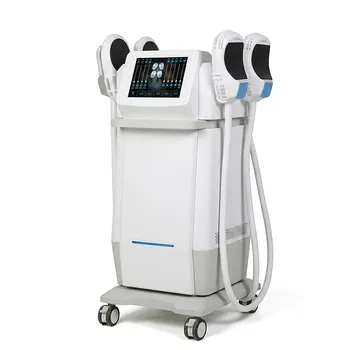
Focal fat atrophy during RF tissue tightening is usually caused by excessive, concentrated heat reaching the subcutaneous fat. Short, high-fluence pulses, repeated pulses on the same location, or poorly controlled energy distribution can produce thermal necrosis, lipid melting, or fat-cell death. Operators can reduce the risk by using lower-to-moderate energy, avoiding pulse stacking, distributing treatment across controlled passes, and adjusting depth, duration, and power to the anatomy and device.
The central safety principle is to create therapeutic dermal heating gradually and uniformly, rather than concentrating excessive energy in one pulse or one spot. Controlled multi-pass treatment, appropriate cooling, and real-time temperature monitoring help tighten tissue while preserving underlying fat.
How RF Can Cause Focal Fat Atrophy
Excessive Localized Heat Damages Fat
RF energy heats tissue as it passes through the dermis and subdermal layers. If the local energy density becomes too high, heat can extend into the subcutaneous fat and cause cellular injury.
That injury may involve thermal necrosis, lipid release, shrinkage, or apoptosis. When enough fat cells are affected in a small area, the resulting volume loss can create a visible depression or contour defect.
Short, High-Fluence Pulses Increase Risk
A single aggressive pulse can deposit substantial energy before heat has time to disperse. This creates a steep local temperature rise and increases the chance of damaging fat beneath the intended treatment layer.
The risk is especially important in areas with thin tissue coverage or prominent subcutaneous fat, where a small amount of unintended volume loss may be visible.
Pulse Stacking Creates Treatment-Tip Defects
Pulse stacking means delivering multiple consecutive pulses to the exact same spot. Because heat accumulates faster than it dissipates, stacked pulses can produce a defect that mirrors the shape of the handpiece or treatment tip.
This is a preventable technique error and should be distinguished from controlled, device-specific pass overlap designed to avoid skip areas.
Which Treatment Variables Matter Most
Energy Density and Fluence
High energy settings increase both discomfort and the risk of localized subcutaneous injury. The relevant concern is not only the total energy used, but how concentrated that energy is in a particular area and time interval.
Lower fluence delivered over several controlled passes generally provides more gradual heating than one high-energy pass.
Pulse Duration and Repetition
Longer or repeated pulses allow more thermal accumulation in the target tissue. Operators should follow the device’s validated limits for pulse duration, repetition, and cooling intervals.
A second pulse should not be delivered automatically merely because the first pulse produced an insufficient visible response. Treatment decisions should account for the tissue’s current temperature and accumulated exposure.
Treatment Depth
In microneedle and fractional RF, needle depth determines where energy is deposited. Excessive depth can place energy closer to adipose tissue than intended, particularly in thin skin or anatomically delicate regions.
Depth should therefore be customized to the treatment area, tissue thickness, and clinical objective rather than selected uniformly across the face or body.
Tissue Temperature
Temperature monitoring is useful because surface appearance alone does not reliably indicate the temperature of deeper tissue. Advanced devices may combine treatment-tip sensors with contact cooling and feedback controls to improve energy consistency.
Temperature targets are device- and modality-specific. Operators should not assume that a surface temperature or a published target from one RF system applies safely to another.
How Operators Can Reduce the Risk
Replace Aggressive Single Passes With Controlled Multi-Pass Treatment
Use lower-to-moderate energy levels and distribute treatment over multiple passes when this approach is supported by the device protocol. This allows tissue temperature to rise more gradually and gives heat time to spread rather than accumulating in one focal region.
Passes should be systematic and evenly distributed. The goal is uniform therapeutic heating, not repeated treatment of the most visibly resistant spot.
Avoid Exact-Spot Pulse Stacking
Do not deliver consecutive pulses to the same location unless the manufacturer’s validated protocol explicitly permits it under defined monitoring conditions. Marking or mentally mapping treatment zones can help operators maintain consistent coverage.
Controlled adjacent or staggered passes are different from stacking. Any overlap should be conservative, uniform, and consistent with the handpiece design and manufacturer instructions.
Use Continuous Motion Where the Device Requires It
For systems designed for moving treatment, maintain the specified motion and speed rather than holding the applicator in place. Continuous motion helps prevent focal energy accumulation.
For stamping or fractional handpieces, use a consistent placement pattern and avoid unplanned repeat applications over previously treated points.
Maintain Appropriate Epidermal Cooling
Contact cooling or cryogen-assisted cooling can protect the epidermis while the deeper target tissue is heated. Cooling also helps operators maintain a controlled treatment window and may improve patient comfort.
Cooling should not be treated as permission to increase energy beyond validated limits. Superficial protection does not guarantee that deeper fat is protected from excessive thermal exposure.
Customize Settings by Anatomy
Thinner regions, such as the periorbital area, generally require more conservative depth and energy decisions than thicker lower-face or body tissues. Operators should account for tissue thickness, fat distribution, bony contours, and the visibility of even small volume changes.
A parameter that is appropriate for one anatomical region may be excessive in another.
Use Real-Time Feedback When Available
Devices with thermal sensors, impedance feedback, or automated energy controls can improve consistency. These systems are most useful when the operator understands what the feedback measures and stays within the device’s validated operating range.
Monitoring should supplement, not replace, careful patient selection, anatomical assessment, and disciplined pass technique.
Understanding the Trade-offs
Lower Energy May Require More Treatment Time
A lower-fluence, multi-pass approach can take longer than a single high-energy pass. It may also require more deliberate planning to achieve uniform coverage.
That additional time is a reasonable trade-off when the treatment goal includes preserving facial or body contours.
More Passes Do Not Mean Unlimited Overlap
Multiple passes can distribute heat safely, but repeated treatment over the same point can still create thermal accumulation. “Multi-pass” should mean controlled coverage, not unrestricted repetition.
The treatment plan should specify the pass pattern, permitted overlap, motion, and stopping criteria.
Cooling Protects Skin, Not Every Deeper Structure
Surface cooling can reduce epidermal injury while RF energy continues to heat deeper tissue. Relying only on a comfortable skin surface can therefore create false confidence.
Operators must consider the full energy path and the possibility of deeper adipose exposure.
Visible Tightening Is Not a Reliable Safety Endpoint
Immediate contraction or firmness does not prove that energy was delivered safely. Thermal injury may evolve after treatment, and fat-volume loss can become apparent later as a contour depression.
Patient follow-up is important when treating areas where small changes in fat volume would be clinically significant.
Common Technique Errors to Avoid
Treating the Same Spot Repeatedly
The most direct error is returning to the exact same point without accounting for the heat already delivered. This creates focal thermal accumulation and can produce a defect shaped like the applicator.
Using One Setting Across All Regions
Uniform settings ignore differences in tissue thickness and fat distribution. Facial subunits and body areas should be treated according to their anatomy and the device’s validated guidance.
Compensating for Skip Areas With High Energy
Poor coverage should be corrected through a better pass pattern and controlled overlap, not by increasing fluence or repeatedly attacking isolated untreated areas.
Exceeding Validated Device Protocols
RF systems differ in frequency, delivery method, electrode configuration, needle geometry, cooling, and feedback controls. Settings from one platform cannot be transferred reliably to another.
How to Apply This to Your Treatment Protocol
The safest protocol is the one that balances uniform dermal heating with deliberate protection of the subcutaneous fat.
- If your primary focus is effective skin tightening: Use the device’s validated multi-pass protocol with low-to-moderate fluence, consistent coverage, and gradual temperature elevation rather than a single aggressive pulse.
- If your primary focus is preserving facial fat and contour: Avoid pulse stacking, use conservative depth and energy in thin or fat-sensitive regions, and treat any overlap as a controlled exception rather than a default.
- If your primary focus is procedural safety: Use appropriate contact cooling and real-time monitoring where available, while treating device-specific limits and anatomical assessment as the primary safeguards.
- If your primary focus is uniform treatment coverage: Establish a consistent stamping, staggered, or moving pass pattern so skip areas are corrected through technique rather than excess energy.
Uniform, controlled heating is the key to achieving RF tightening without turning a therapeutic treatment into focal fat injury.
Summary Table:
| Cause | Prevention |
|---|---|
| Excessive localized heat | Use lower-to-moderate energy with multiple passes |
| Short, high-fluence pulses | Avoid high-fluence pulses; gradual heating preferred |
| Pulse stacking | Avoid delivering consecutive pulses to same spot |
| Excessive treatment depth | Adjust depth based on anatomy and tissue thickness |
| High tissue temperature | Use temperature monitoring and appropriate cooling |
| One setting for all regions | Customize settings per anatomical area |
Elevate your aesthetic practice with BELIS professional RF systems. Our advanced devices integrate safety features like temperature monitoring and controlled energy delivery to help you achieve optimal tightening while minimizing side effects. Designed exclusively for clinics and premium salons, our portfolio covers a full spectrum of aesthetic technology. Contact our experts today to learn how our solutions can enhance your results and patient satisfaction. Contact us for a personalized consultation.
Related Products
- Ultrasonic Cavitation Radiofrecuency Machine for Body Slimming
- Ultrasonic Cavitation Machine Lipo Laser Device
- RF Microneedling Machine Micro Needle Radio Frequency Machine
- RF Microneedling Machine Micro Needle Radio Frequency Machine
- Clinic Use IPL SHR ND YAG Laser Hair Removal RF Skin Tightening Machine
People Also Ask
- What are the pros and cons of the ultrasonic cavitation slimming treatment? A Guide to Painless Body Contouring
- Does an ultrasonic cavitation machine also tighten the skin? Achieve Total Body Contouring with RF Synergy
- How does radiofrequency technology in slimming machines promote fat reduction? The Science of Non-Invasive Sculpting
- How should one prepare for an ultrasonic cavitation appointment? 5 Essential Tips for Maximum Fat Loss Results
- What areas of the body are targeted for ultrasonic cavitation? Best Zones for Effective Body Contouring